


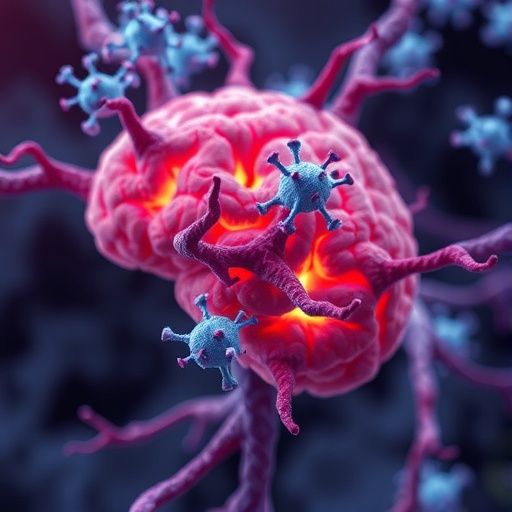
In a groundbreaking study published in Translational Psychiatry, researchers have identified elevated levels of circulating neuronal proteins in individuals with severe autism, unveiling new insights into the biological underpinnings of this complex neurodevelopmental disorder. The findings herald a novel biomarker avenue that could transform the diagnostic landscape and individualized treatment strategies for autism spectrum disorder (ASD).
Autism has long been characterized by its heterogeneous nature, complicating efforts to pinpoint universal biological markers. The team led by Ltaief, Salim, and Hussain employed advanced proteomic analyses of blood samples from patients diagnosed with severe autism, compared to neurotypical controls. Their data revealed a significant increase in specific neuronal proteins—molecules usually confined to the central nervous system but now found elevated in peripheral circulation, suggesting an ongoing neuronal injury or dysregulation in severe autism cases.
Notably, these circulating neuronal proteins correlated with clinical severity and distinct patterns of neuronal dysfunction as measured by electrophysiological and neuroimaging assessments. This correlation supports the hypothesis that peripheral biomarkers can reflect central nervous system pathology, offering a less invasive window into brain health compared to current imaging or cerebrospinal fluid-based methods.
The research further delves into patient-specific neural dysfunction, highlighting that elevated plasma neuronal proteins are associated with individualized behavioral decrements. This observation underscores autism’s heterogeneity and the potential for such biomarkers to assist in stratifying patients for tailored therapeutic interventions. By linking molecular signals in the blood to brain and behavioral dysfunction, the study paves the way for personalized medicine approaches in neuropsychiatric disorders.
Technically, the detection of these proteins was accomplished through state-of-the-art mass spectrometry coupled with bioinformatics pipelines designed to filter and validate neuronal-specific candidates. This method allowed the researchers to overcome the challenge of distinguishing neuronal proteins amidst the complex milieu of plasma proteins, which is critical given their typically low abundance in circulation.
Importantly, the elevated neuronal proteins could also shed light on pathogenic mechanisms. The authors theorize that these proteins may be released due to synaptic pruning abnormalities, neuroinflammation, or aberrant neuronal connectivity frequently implicated in ASD pathology. Understanding these pathways could not only clarify autism etiology but also reveal druggable targets downstream of protein release.
This pioneering study opens new research avenues for both biomarker discovery and mechanistic exploration in autism. The feasibility of detecting neuronal molecules in the bloodstream offers a practical and scalable method to monitor disease progression and response to experimental therapies. Researchers and clinicians alike are enthusiastic about the potential to refine early diagnosis and personalize treatment regimens grounded in molecular phenotyping.
As the scientific community digests these findings, future studies will likely focus on validating these neuronal proteins across larger and more diverse cohorts. Integration with genetic, electrophysiological, and behavioral data might ultimately yield a comprehensive biomarker panel with clinical utility. The implications for improving quality of life for individuals with severe autism and their families are profoundly promising.
This landmark work challenges convention by bridging blood-based biomarker research and neuropsychiatric disorder pathology. It signifies a major step forward in understanding autism from a biochemical perspective and demonstrates how innovation in protein detection technology can accelerate discoveries in mental health diagnostics.
Cite Scienmag News
Glenn Wilkins. (July 10, 2026). Elevated Neuronal Proteins Linked to Severe Autism and Behavioral Deficits. Scienmag. https://scienmag.com/elevated-neuronal-proteins-linked-to-severe-autism-and-behavioral-deficits/
Glenn Wilkins. "Elevated Neuronal Proteins Linked to Severe Autism and Behavioral Deficits." Scienmag, 10 July 2026, https://scienmag.com/elevated-neuronal-proteins-linked-to-severe-autism-and-behavioral-deficits/. Accessed 4 September 2026.
Glenn Wilkins. "Elevated Neuronal Proteins Linked to Severe Autism and Behavioral Deficits." Scienmag. July 10, 2026. https://scienmag.com/elevated-neuronal-proteins-linked-to-severe-autism-and-behavioral-deficits/


