


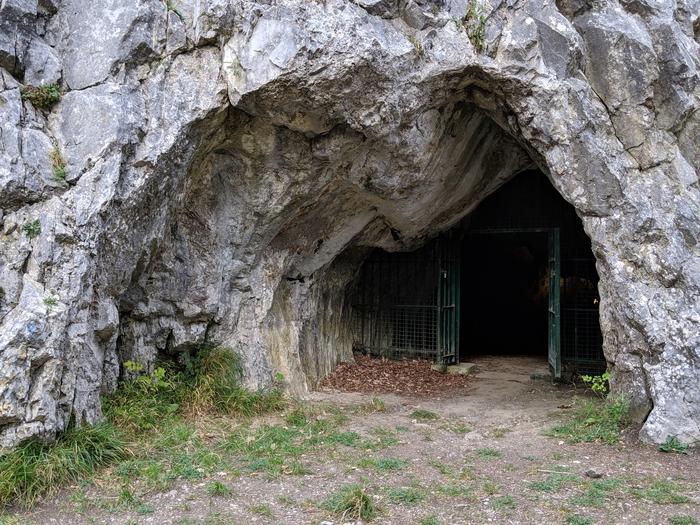
In a groundbreaking advancement in the study of late Neandertals, a multinational consortium of geneticists and archaeologists has released the most comprehensive genomic analysis to date of these ancient hominins from northwestern Europe. By extracting and sequencing ancient DNA from the remains of 27 individuals primarily sourced from Belgium and France, the researchers successfully reconstructed a detailed genetic landscape of Neandertal populations living approximately 45,000 to 40,000 years ago. This unprecedented dataset includes a notably high-coverage genome from a specimen found in Goyet Cave, an archaeological site that has long offered insight into late Pleistocene human activity.
One of the major revelations from this study challenges long-standing assumptions regarding the isolation and decline of late Neandertal groups. Whereas prior genomic analyses of Neandertals from regions such as Siberia identified evidence of close inbreeding and small, fragmented populations, the Neandertals inhabiting the Meuse Basin and surrounding areas exhibited no recent signatures of mating between close relatives. Instead, the genetic data suggest these populations formed a more interconnected and genetically cohesive network across northwestern Europe, contradicting simplistic narratives of diminishing and isolated Neandertal enclaves during their twilight.
Furthermore, the researchers found that while these Neandertals shared close genetic affinities among themselves, traces of deeper and more ancient lineages persist within the population. This intrapopulational diversity underscores a more intricate evolutionary history than previously attributed to late Neandertals, highlighting oscillating population dynamics and migration events that shaped their genetic fabric over millennia. Such complexity reiterates that Neandertals in northwestern Europe were demographically and genetically dynamic rather than a uniform, declining remnant.
Crucially, this new genomic evidence also addresses the often debated question of interbreeding between Neandertals and anatomically modern humans during periods of coexistence. While earlier studies have documented Neandertal genetic contributions in early Homo sapiens genomes, this study specifically found no molecular signatures indicative of recent gene flow from modern humans into these late Neandertal populations. This pronounced asymmetry implies barriers—whether behavioral, geographical, or ecological—may have limited interbreeding from modern humans back into Neandertal gene pools during their final epochs.
A further critical insight pertains to the genetic health and viability of these late Neandertal groups. Conventional hypotheses frequently attribute Neandertal extinction to cumulative genetic deterioration—characterized by inbreeding, reduced diversity, and the buildup of deleterious mutations—that compromised resilience and adaptability. However, the genetic data refute this idea for Neandertals in northwestern Europe. Despite their inherently limited genetic diversity, the researchers detected no evidence of a progressive increase in harmful mutation load over time. Notably, the high-quality genome from the individual at Goyet Cave did not exhibit lower heterozygosity or greater deleterious variation than earlier Neandertal specimens, suggesting genomic decline was not a dominant extinction driver for these populations.
The implication is profound: instead of succumbing to genetic meltdown, these Neandertals appear to have persisted as regionally interconnected populations with sufficient genetic variation to maintain evolutionary viability. This genetic robustness occurred during a dramatic epoch marked by fluctuating climates, changing ecosystems, and the expanding footprint of modern humans into Europe. Thus, environmental and anthropogenic factors likely played more pivotal roles in Neandertal disappearance than previously recognized genetic vulnerabilities.
From a methodological perspective, this study leverages advances in ancient DNA extraction, next-generation sequencing, and bioinformatics to achieve genome reconstructions with unprecedented resolution. The ability to sequence high-coverage genomes from such ancient and fragmentary remains facilitates fine-scale population genetics analyses, including assessments of inbreeding coefficients, allele frequency distributions, and phylogenetic relationships within and between Neandertal communities.
The findings have far-reaching consequences for paleoanthropology and evolutionary biology, urging a reevaluation of Neandertal population dynamics and extinction scenarios. They emphasize the spatial heterogeneity of Neandertal biology and social behavior, cautioning against oversimplified models derived from isolated case studies. Moreover, the asymmetric gene flow dynamics inferred from the data provide new perspectives on hominin interactions, reproductive isolation mechanisms, and the genetic legacy imparted to modern humans.
In summary, this landmark research illuminates late Neandertal diversity as a mosaic of connected, genetically diverse populations with complex demographic histories. It disrupts entrenched paradigms of their extinction rooted in inevitable genetic decline and highlights instead the nuanced interplay between gene flow, population structure, and environmental pressures. Future inquiries aiming at synthesizing archaeological, ecological, and genetic datasets will be essential to fully unravel the intricate narrative of Neandertal existence and disappearance.
As technology and analytical frameworks continue to evolve, studies such as this one set new benchmarks for understanding hominin evolutionary trajectories. The refined genomic portraits paint Neandertals not as marginal relics but as dynamic populations navigating the challenges of a transforming Pleistocene world, ultimately enriching our appreciation of human evolutionary heritage.
News Publication Date: 24-Jun-2026
Web References:
https://doi.org/10.1038/s41586-026-10625-1
Cite Scienmag News
Audrey B. (June 24, 2026). Neandertals of North-Western Europe Take Center Stage. Scienmag. https://scienmag.com/neandertals-of-north-western-europe-take-center-stage/
Audrey B. "Neandertals of North-Western Europe Take Center Stage." Scienmag, 24 June 2026, https://scienmag.com/neandertals-of-north-western-europe-take-center-stage/. Accessed 28 August 2026.
Audrey B. "Neandertals of North-Western Europe Take Center Stage." Scienmag. June 24, 2026. https://scienmag.com/neandertals-of-north-western-europe-take-center-stage/


