


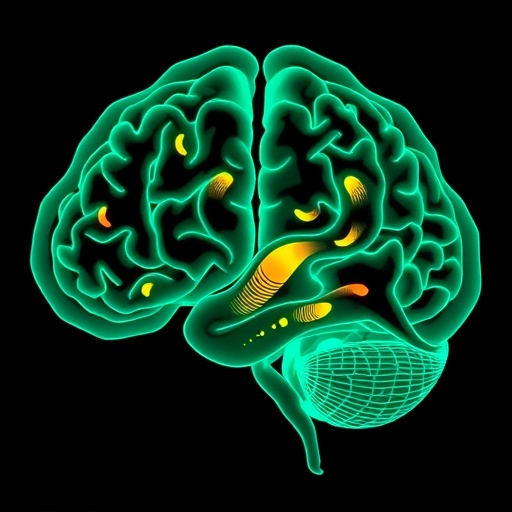
In recent years, cannabis use has surged worldwide, prompting critical discussions about its long-term effects on brain health. A groundbreaking study published in Translational Psychiatry in 2026, spearheaded by Schilling, Pasquier, Elbejjani, and colleagues, dives deeply into the neuroanatomical consequences of cumulative cannabis exposure, specifically analyzing changes in the hippocampus during middle age. This research harnessed data from the extensive coronary artery risk development in young adults (CARDIA) study, providing unprecedented insight into how sustained cannabis consumption can alter brain structure decades after initial use begins.
The hippocampus, a central hub for memory formation, spatial navigation, and emotional regulation, has long been suspected to be particularly vulnerable to psychoactive substances. This study employed state-of-the-art magnetic resonance imaging (MRI) techniques to quantitatively measure hippocampal volume and structural integrity in participants with varying degrees of cannabis exposure. By correlating these neuroimaging findings with detailed cannabis use histories collected over 25 years, scientists have now elucidated a clear relationship between cumulative cannabis intake and hippocampal atrophy in middle-aged adults.
One of the most striking aspects of the findings is the dose-dependent nature of hippocampal changes observed. The study reveals that individuals with a history of heavier lifetime cannabis use exhibit significantly smaller hippocampal volumes compared to non-users or occasional users. These volumetric reductions were not just localized to a single hippocampal subregion but appeared widespread across multiple subfields critical for memory processing. This supports the hypothesis that chronic exposure induces widespread neural remodeling rather than isolated damage.
The CARDIA cohort data allow researchers to control for multiple confounding factors such as cardiovascular health, alcohol consumption, tobacco use, and socioeconomic status, lending robustness to the conclusion that cannabis exposure itself is a key factor driving observed hippocampal changes. The rigorous longitudinal design of the study further strengthens causal inference, as it tracks individuals prospectively from young adulthood through midlife, mapping changes in cannabis intake alongside brain morphology.
Biologically, the underlying mechanisms by which cannabis manifests these hippocampal alterations may involve the endocannabinoid system (ECS), a critical neuromodulatory system that regulates synaptic plasticity and neuronal homeostasis. THC, the principal psychoactive constituent of cannabis, binds to cannabinoid receptors densely expressed in the hippocampus, potentially disrupting neurogenesis and promoting neuroinflammatory pathways. The study’s results underscore concerns that protracted interference with ECS signaling could culminate in structural degeneration over decades.
This research carries profound implications for public health, as middle age represents a critical window when cognitive decline risks increase. The diminished hippocampal volume predicted by cannabis exposure may presage heightened vulnerability to memory impairments, dementia, or other neurodegenerative diseases in later life. While the study stops short of linking these brain changes directly to clinical symptoms, it lays critical groundwork for future investigations aiming to correlate structural MRI findings with neuropsychological performance.
Moreover, the findings challenge the pervasive narrative that cannabis is a harmless recreational drug, especially when used persistently over long periods beginning in adolescence or early adulthood. As legalization and societal acceptance grow, this study acts as a cautionary tale emphasizing the need for nuanced public education about potential neurobiological risks. It also highlights the urgency to develop targeted interventions aimed at mitigating cognitive consequences among chronic users.
From a technical perspective, the detailed MRI volumetric analysis performed leverages advanced image processing pipelines capable of segmenting hippocampal subregions with remarkable precision. By doing so, the authors can dissect subtle patterns of neurodegeneration that might otherwise remain undetected. This combination of rich longitudinal data with high-resolution imaging is emblematic of next-generation neuroepidemiological research designed to unravel complex brain-behavior relationships.
Importantly, this study sets a benchmark for future research protocols exploring cannabis-related brain alterations. It highlights the value of longitudinal cohorts combining comprehensive substance use monitoring with sophisticated neuroimaging modalities. Such integrative approaches will be vital in dissecting the temporal dynamics of brain changes and their reversibility, an area still shrouded in uncertainty.
While the CARDIA cohort primarily focuses on cardiovascular risk factors, its adaptation for investigating brain outcomes marks a novel intersection between vascular health and neurotoxicology of psychoactive substances. Given that vascular integrity influences gray matter health, the capacity to disentangle cannabis effects from cardiovascular confounds is a significant methodological achievement. This layered analysis enhances confidence in attributing hippocampal volume loss primarily to cannabis exposure.
Despite its groundbreaking nature, the study naturally prompts further questions. For instance, it remains unclear if cessation of cannabis use at various life stages can halt or reverse hippocampal decline. Additionally, differences in cannabis potency, modes of consumption, or genetic predispositions could modulate neuroanatomical effects, warranting tailored investigations to parse out these complex interactions.
Clinicians and policymakers alike must grapple with the evolving evidence landscape underscored by this study. Integrating brain health considerations into cannabis regulatory frameworks and clinical guidelines could mitigate potential harms. In particular, early screening for cognitive vulnerabilities among habitual users could open avenues for preventative interventions, ultimately improving long-term neurological outcomes.
This landmark research exemplifies the power of combining multidisciplinary expertise, ranging from neuroimaging, epidemiology, neuropharmacology, and psychiatry, to unravel the intricate impacts of psychoactive substances on the human brain. As cannabis continues to be both a medicinal resource and a recreational staple, understanding its neurological legacy remains paramount for safeguarding future generations.
In sum, the 2026 CARDIA study crystallizes the link between prolonged cannabis use and notable hippocampal structural reductions occurring by middle age, emphasizing the drug’s capacity for enduring neural modification. This evidence contributes significantly to our understanding of cannabinoids’ neurobiological footprint and punctuates the necessity for sustained research and informed societal dialogue about cannabis consumption’s neurological consequences.
Cite Scienmag News
Glenn Wilkins. (May 19, 2026). Cannabis Exposure Linked to Hippocampus Changes in Middle Age. Scienmag. https://scienmag.com/cannabis-exposure-linked-to-hippocampus-changes-in-middle-age/
Glenn Wilkins. "Cannabis Exposure Linked to Hippocampus Changes in Middle Age." Scienmag, 19 May 2026, https://scienmag.com/cannabis-exposure-linked-to-hippocampus-changes-in-middle-age/. Accessed 3 September 2026.
Glenn Wilkins. "Cannabis Exposure Linked to Hippocampus Changes in Middle Age." Scienmag. May 19, 2026. https://scienmag.com/cannabis-exposure-linked-to-hippocampus-changes-in-middle-age/


