


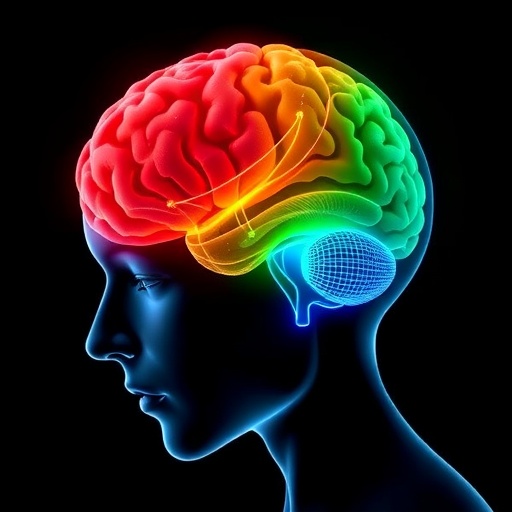
In an era where maternal brain plasticity has been extensively studied, groundbreaking research now illuminates the transformative physiological and neural adaptations occurring in fathers during the postpartum period. The study published in Translational Psychiatry by Daneshnia, Losse, Kurz, and colleagues (2026) presents unprecedented longitudinal insights into the paternal brain, revealing dynamic structural and functional changes over 24 weeks after childbirth. This work challenges the traditional notion that fatherhood impacts behavior without parallel neurological changes, proving the male brain undergoes profound remodeling associated with caregiving and attachment formation.
Undertaking a rigorous neuroimaging approach, the research team utilized advanced magnetic resonance imaging (MRI) techniques to track volumetric and connectivity changes in brain regions key to socioemotional processing, empathy, and attachment. This six-month study period bridges a critical window, allowing observation of both immediate postpartum shifts and longer-term brain plasticity. These dynamic modifications suggest that fatherhood prompts a biological reorganization that facilitates paternal caregiving behaviors, akin to documented maternal adaptations, thereby enhancing our understanding of the neurobiological substrates underpinning father-infant bonding.
Functionally, the findings reveal a heightened activation in the paternal brain’s reward circuitry, including the ventral striatum and orbitofrontal cortex, when fathers are exposed to infant cues such as crying and facial expressions. These regions exhibit increased functional connectivity with the prefrontal cortex, underlying improved emotion regulation and decision-making abilities critical to responsive parenting. The longitudinal increase in functional coupling suggests that paternal experience actively remodels neural networks to optimize caregiving efficiency, reinforcing paternal investment in offspring survival.
Structural MRI findings highlight significant volumetric increases in subcortical structures such as the amygdala and hypothalamus, areas implicated in emotional responsiveness and hormonal regulation. Concurrently, enhanced gray matter volume was observed in cortical regions associated with social cognition, including the superior temporal sulcus and anterior cingulate cortex. This reorganization hints at a neuroplasticity trajectory wherein the paternal brain progressively adapts to meet the complex socioemotional demands of nurturing and protection, facilitating empathy and attuned interactions.
Biochemically, the study postulates that neuroendocrine shifts, particularly involving oxytocin and vasopressin, may mediate the observed neural plasticity. These neuropeptides are well documented to modulate social bonding and parental behaviors in mammals. The researchers propose that paternal exposure to infant behavioral cues stimulates oxytocinergic pathways, which in turn promote structural and functional enhancements in the paternal neural circuitry, reinforcing caregiving motivation and attachment.
Throughout the 24-week postpartum period, connectivity analyses showcase dynamic remodeling of networks critical for empathy and mentalizing. Enhanced resting-state connectivity between the medial prefrontal cortex and temporal parietal junction reflects an increased capacity for perspective-taking and understanding the infant’s mental states. This finding underscores the paternal brain’s heightened sensitivity to the infant’s needs, promoting adaptive social interactions critical to child development and emotional security.
Intriguingly, the study demonstrates temporal progression in brain plasticity. Initial postpartum phases reveal rapid changes in emotion-processing regions, likely priming fathers for acute responsiveness to infant distress. Over ensuing weeks, structural enhancements and connectivity strengthening in higher-order cognitive areas suggest continued refinement of social cognition and attachment-related behaviors. This biphasic pattern highlights the nuanced neural recalibration underlying paternal caregiving adaptation.
Psychologically, these neural transformations correlate with reported increases in paternal empathy, responsiveness, and attachment security. Using standardized behavioral assessments, fathers exhibiting greater neural plasticity consistently reported deeper emotional connection and more engaged parenting styles. This biobehavioral alignment substantiates the functional relevance of neural remodeling in shaping paternal caregiving quality, reinforcing the importance of male parental involvement for optimal infant outcomes.
The implications of these findings extend beyond neuroscience, influencing social and clinical practices. Recognition of paternal brain plasticity underscores the necessity of supporting fathers in the postpartum period, promoting paternal mental health and caregiving competence. Interventions that foster father-infant bonding, such as skin-to-skin contact and parenting programs, may harness this neuroplastic potential to enhance family wellbeing comprehensively.
Moreover, this research opens avenues to investigate paternal brain adaptation in clinical populations. Understanding how disorders like postpartum depression or anxiety affect paternal neuroplasticity could yield targeted therapeutic strategies. Early neuroimaging biomarkers of maladaptive brain changes in fathers might allow preventive interventions, fostering healthier family dynamics and reducing adverse developmental trajectories in children.
Methodologically, the longitudinal design paired with multimodal neuroimaging represents a robust paradigm for disentangling the complex timeline of paternal brain changes. The precision of volumetric analyses combined with functional MRI connectivity mapping provides a comprehensive understanding of structural-functional interplay during paternal adaptation. Such integrative approaches set a new standard for future investigations into parental brain plasticity across sexes and cultures.
Future research may delve deeper into the molecular underpinnings driving the documented neuroplasticity. Incorporating neuroendocrine assays, genetic profiling, and epigenetic analyses with neuroimaging will clarify the biological pathways fatherhood elicits. Additionally, expanding studies to diverse populations and varying father-infant caregiving contexts will elucidate how socioeconomic and cultural factors modulate paternal brain development.
In conclusion, the transformative insights from Daneshnia and colleagues’ study redefine fatherhood’s impact on the male brain, revealing a sophisticated neurobiological adaptation process that parallels maternal brain plasticity. The paternal brain emerges as a dynamic organ, continuously remodeling to foster attachment, empathy, and caregiving capacities essential for infant survival and emotional growth. This paradigm shift invites broader appreciation of paternal roles and paves the way for innovative support mechanisms that empower fathers and strengthen families.
The paternal brain’s plasticity not only revolutionizes scientific understanding but resonates socially, affirming that fatherhood engenders profound biological and psychological changes. Recognizing fathers as active neural participants in nurturing challenges stereotypes and promotes inclusive perspectives on parenting. As research elucidates these intricate brain-behavior relationships, society stands poised to embrace fatherhood’s full complexity, cultivating environments where both parents flourish and children thrive.
Cite Scienmag News
Cassandra Pierce. (May 14, 2026). Paternal Brain Changes and Attachment Across 24 Weeks. Scienmag. https://scienmag.com/paternal-brain-changes-and-attachment-across-24-weeks/
Cassandra Pierce. "Paternal Brain Changes and Attachment Across 24 Weeks." Scienmag, 14 May 2026, https://scienmag.com/paternal-brain-changes-and-attachment-across-24-weeks/. Accessed 4 September 2026.
Cassandra Pierce. "Paternal Brain Changes and Attachment Across 24 Weeks." Scienmag. May 14, 2026. https://scienmag.com/paternal-brain-changes-and-attachment-across-24-weeks/


