


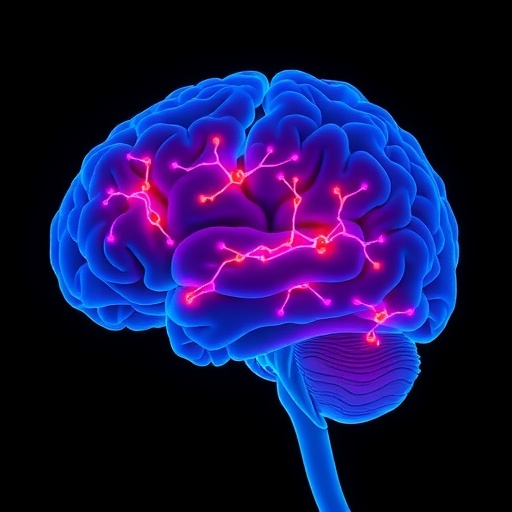
In a groundbreaking multi-site magnetic resonance imaging (MRI) study, researchers have embarked on an ambitious mission to unravel the complex architecture of the thalamus in the human brain, focusing specifically on the volumetric analysis of its nuclei across a spectrum of psychiatric and neurological disorders. This cutting-edge research offers new insights into the neuroanatomical underpinnings that may differentiate and characterize various mental and neurological health conditions, potentially transforming diagnostic and therapeutic approaches in clinical neuroscience.
The thalamus, often described as the brain’s relay station, consists of multiple nuclei that serve as critical hubs for sensory, motor, and cognitive information processing. Despite its well-recognized centrality to brain function, the detailed volumetric characteristics of individual thalamic nuclei in pathological conditions have remained largely elusive. This large-scale study addresses that knowledge gap by employing advanced MRI techniques, enabling precise and robust segmentation and volumetric measurements of thalamic subregions.
Researchers collected imaging data from numerous international sites, leveraging a vast and diverse cohort to ensure the generalizability and statistical power needed to detect subtle morphological differences. This approach mitigates potential biases stemming from small sample sizes or limited demographic variability, which have historically constrained neuroimaging studies examining subcortical structures.
Employing sophisticated image processing pipelines, the team meticulously segmented the thalamus into its constituent nuclei. These subregions were then quantitatively analyzed to determine volume variations associated with various psychiatric disorders such as schizophrenia, bipolar disorder, and major depressive disorder, as well as neurological diseases including Alzheimer’s disease, Parkinson’s disease, and multiple sclerosis. These comparative analyses revealed nuanced volumetric alterations that may be characteristic of specific pathological processes.
One of the standout findings of this research is the identification of distinct volumetric patterns within thalamic nuclei that correlate with particular clinical diagnoses. For instance, reductions in the mediodorsal nucleus were prominently observed in individuals diagnosed with schizophrenia, a finding that aligns with the known involvement of this nucleus in cognitive and executive functioning deficits commonly seen in the disorder. Similarly, volumetric enlargements in the pulvinar nucleus were noted in bipolar disorder, suggesting a potential biomarker for mood dysregulation.
Beyond mere volumetric differences, the study delves into the implications of these alterations for functional connectivity and neural circuit integrity. The authors hypothesize that structural changes in thalamic nuclei may disrupt thalamo-cortical communication pathways, thereby contributing to the symptomatic manifestations observed in these conditions. This integrative perspective bridges anatomical data with the broader neurophysiological context, offering a holistic understanding of disease mechanisms.
Importantly, the multi-site design enabled the study to account for site-specific variances such as scanner type and protocol differences through harmonization techniques, ensuring that observed effects stem from biological rather than technical causes. This rigor strengthens the validity of volumetric changes as genuine disease-associated markers rather than artifacts.
The implications of these discoveries extend to clinical practices. By elucidating disease-specific thalamic alterations, clinicians may one day be able to leverage MRI-based volumetric assessments as part of a precision medicine toolkit, aiding in early diagnosis, prognosis, and personalized treatment strategies. This is particularly promising given the current challenges in differentiating psychiatric disorders based solely on symptomatic criteria.
Furthermore, the findings stimulate new avenues for therapeutic interventions targeting thalamic nuclei. Neuromodulation techniques, such as deep brain stimulation or transcranial magnetic stimulation, could be optimized to focus on these specific subregions to ameliorate symptoms or halt disease progression. Future studies building on these volumetric data may clarify causal relationships and mechanistic pathways.
This study also underscores the importance of collaborative, large-scale neuroimaging efforts in psychiatry and neurology. As brain disorders continue to pose significant global health challenges, pooling resources and expertise across institutions facilitates robust, reproducible science that transcends the limitations of isolated studies. The synergy of multi-disciplinary teams and technological advancements is integral to pushing the frontiers of brain research.
Methodologically, the application of cutting-edge segmentation algorithms represents a leap forward in neuroimaging analytics. Traditional approaches often treated the thalamus as a uniform structure, but this work highlights the necessity of dissecting the thalamus into its nuclei to capture clinically meaningful information. This methodological evolution opens the door to revisiting other complex brain regions with similar precision.
The study also raises compelling questions about the developmental trajectories of thalamic nuclei in both health and disease. Longitudinal analyses will be critical to determine whether observed volumetric changes are static traits or dynamic markers reflecting disease onset, progression, or response to treatment. Addressing these questions could inform preventive measures or timely interventions.
In summary, this multi-site MRI study represents a milestone in our understanding of the thalamus’s role in neuropsychiatric and neurological disorders. By integrating comprehensive volumetric analyses with clinical correlations and robust methodological designs, it sets a new standard for brain imaging research. The findings propel the field toward nuanced biomarker discovery and highlight the promise of targeted strategies to alleviate the burden of brain disorders.
As the neuroscientific community digests these findings, anticipation builds for follow-up studies that will refine and translate this knowledge into clinical practice. The ability to parse the thalamus’s intricate architecture and link it to specific disorders shines a spotlight on the thalamus as a critical nexus for understanding brain dysfunction and devising innovative treatments. This could herald a new era in neuropsychiatric research and patient care.
The comprehensive nature and scale of this research signal a pivotal shift in brain imaging paradigms, emphasizing that the devil truly lies in the details. The volumetric intricacies of thalamic nuclei hold keys to unlocking the mysteries of some of the most challenging and impactful disorders affecting humanity today. The path forward is illuminated by these novel insights, driving a future where brain health can be assessed with unprecedented accuracy and interventions precisely tailored.
Cite Scienmag News
Glenn Wilkins. (May 14, 2026). Thalamic Nuclei Changes in Psychiatric, Neurological Disorders. Scienmag. https://scienmag.com/thalamic-nuclei-changes-in-psychiatric-neurological-disorders/
Glenn Wilkins. "Thalamic Nuclei Changes in Psychiatric, Neurological Disorders." Scienmag, 14 May 2026, https://scienmag.com/thalamic-nuclei-changes-in-psychiatric-neurological-disorders/. Accessed 4 September 2026.
Glenn Wilkins. "Thalamic Nuclei Changes in Psychiatric, Neurological Disorders." Scienmag. May 14, 2026. https://scienmag.com/thalamic-nuclei-changes-in-psychiatric-neurological-disorders/


