


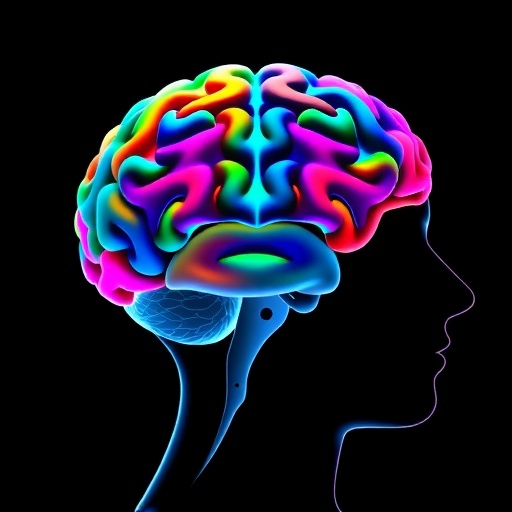
In the ever-expanding field of neuroimaging, the quest to understand and predict neurodevelopmental conditions such as autism spectrum disorder (ASD) has taken a significant leap forward. A groundbreaking study published in Nature Mental Health introduces an innovative approach to optimizing functional connectivity scanning conditions aimed at predicting autistic traits with unprecedented precision. This research, conducted by Horien, Mandino, Greene, and colleagues, delves into the intricate realm of brain network activity and demonstrates how tailored neuroimaging protocols can enhance the identification of subtle neural signatures associated with autism.
Functional connectivity, referring to the temporal correlation between spatially remote brain regions, has been pivotal in unraveling the neural architecture underlying various cognitive and behavioral phenotypes. Traditional neuroimaging methods have often been hampered by inconsistencies in scanning conditions, variability across subjects, and the elusive nature of brain-behavior relationships. The new study addresses these challenges head-on by systematically manipulating and optimizing scanning parameters to maximize the reliability of connectivity measures relevant to autistic traits.
The researchers embarked on a meticulous exploration of functional magnetic resonance imaging (fMRI) scanning protocols, scrutinizing how different variables influence the robustness of connectivity patterns. They employed advanced machine learning algorithms to assimilate vast datasets, seeking scanning conditions that amplify predictive signals while minimizing noise and confounding factors. This level of refinement in data acquisition represents a paradigmatic shift, as it tailors the scanning approach to the precise neurobiological phenomena being studied rather than relying on standardized “one-size-fits-all” methods.
Through extensive analyses involving multiple cohorts, the study revealed that specific resting-state conditions, including scan duration, participant instructions, and sensory environment, significantly affect the quality of functional connectivity data. For example, scans conducted under eyes-open conditions with minimal distractions yielded higher fidelity in capturing connectivity features pertinent to autistic traits. Furthermore, longer scan durations were shown to improve the stability of the connectivity metrics, enabling more accurate characterization of individual differences in neural networks.
One of the central innovations of this work lies in its consideration of individual variability. Recognizing that autistic traits span a broad spectrum, the team harnessed predictive modeling techniques to correlate nuanced patterns of brain connectivity with behavioral assessments quantifying autism-related characteristics. The refined scanning conditions facilitated the extraction of subtle brain signatures that correspond closely with these behavioral dimensions, thereby enhancing the potential for early identification and personalized intervention strategies.
Importantly, the study underscores the utility of multivariate pattern analysis, which moves beyond simple correlation metrics to capture complex, distributed connectivity patterns implicated in autism. By integrating these analytical frameworks with optimized data collection protocols, the researchers achieved notable improvements in predictive accuracy, paving the way for more reliable biomarkers in clinical neuroscience.
Beyond autism alone, their methodology offers a template for optimizing neuroimaging studies across a myriad of psychiatric and neurological conditions. The approach champions the necessity of customizing neuroimaging parameters based on the targeted neural phenomena and population characteristics, which can dramatically elevate the translational impact of brain imaging research.
Moreover, the implications extend into the realm of neurodevelopmental research, where early detection remains a paramount goal. The enhanced sensitivity and specificity afforded by optimized scanning conditions could revolutionize screening programs, allowing clinicians and researchers to identify at-risk individuals far earlier than currently possible. This paradigm shift holds promise for timely interventions that can effectively modify developmental trajectories and improve outcomes.
This work also highlights critical technical considerations, such as the impact of motion artifacts and physiological noise, and how their mitigation is integral to preserving signal fidelity during fMRI acquisition. The careful balancing of scanning time against participant comfort and feasibility further distinguishes this study as both scientifically rigorous and practically viable.
Additionally, the study’s approach exemplifies how interdisciplinary collaborations, incorporating neuroscience, engineering, and computational modeling expertise, can converge to solve complex challenges inherent in brain imaging studies. Such synergy is essential in advancing personalized medicine efforts within mental health research, where a deep understanding of brain-behavior relationships is crucial.
The meticulous optimization process described in the study not only enhances data quality but also promotes reproducibility—a cornerstone of scientific validity. By establishing standardized yet flexible scanning protocols tailored to specific research questions, the study addresses long-standing issues of variability that have hindered the broader application of functional connectivity metrics.
In essence, Horien and colleagues have set a new standard in functional neuroimaging, demonstrating that precision in data acquisition is as vital as analytical sophistication when it comes to decoding the brain’s complex networks. Their work markedly improves the capacity to detect and interpret the neural underpinnings of autistic traits and offers a scalable framework for future investigations.
As the neuroimaging community continues to grapple with the challenge of heterogeneity in brain disorders, the insights from this study serve as a beacon guiding more nuanced and effective research designs. The integration of optimized scanning conditions into routine practice could transform how neurodevelopmental and psychiatric conditions are studied and, ultimately, managed in clinical settings.
The advancements presented here notably push the boundaries of what functional connectivity can reveal about individual brain differences. The study’s confluence of technical innovation and clinical relevance exemplifies the forefront of brain imaging research, with promising ramifications for diagnostics, prognostics, and therapeutic interventions.
In conclusion, the pioneering work by Horien, Mandino, Greene, et al., delineates a clear roadmap for elevating the predictive power of functional connectivity neuroimaging in autism research. Through their innovative optimization of scanning parameters, they bridge a crucial gap between sophisticated brain imaging technologies and meaningful clinical application, thereby opening new vistas for personalized mental health care.
Cite Scienmag News
Cassandra Pierce. (April 21, 2026). Enhancing Brain Scan Methods to Predict Autism Traits. Scienmag. https://scienmag.com/enhancing-brain-scan-methods-to-predict-autism-traits/
Cassandra Pierce. "Enhancing Brain Scan Methods to Predict Autism Traits." Scienmag, 21 April 2026, https://scienmag.com/enhancing-brain-scan-methods-to-predict-autism-traits/. Accessed 4 September 2026.
Cassandra Pierce. "Enhancing Brain Scan Methods to Predict Autism Traits." Scienmag. April 21, 2026. https://scienmag.com/enhancing-brain-scan-methods-to-predict-autism-traits/


