


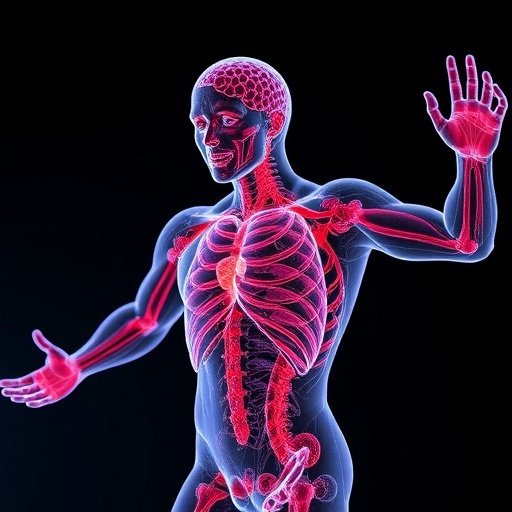
In an exciting leap forward at the intersection of space exploration and biomedical research, Korea University College of Medicine’s Center for Myokine Convergence Research has forged a strategic alliance with MFC, a pioneering biotechnology company. This partnership is dedicated to advancing therapeutic solutions aimed at combating muscle loss experienced by astronauts during prolonged space missions. The newly signed memorandum of understanding (MOU) signals an ambitious expansion of ongoing collaborative efforts, encompassing a broad array of muscle-related diseases and translating laboratory research into clinical innovations.
Muscle atrophy presents a significant obstacle for astronauts, particularly on extended deep space expeditions where microgravity induces severe deterioration in skeletal muscle mass and function. These changes jeopardize mission outcomes and long-term astronaut health. Recognizing this, the Korea University center, under the directorship of Professor Hyeon Soo Kim, leverages its expertise in myokines—bioactive molecules secreted by muscle tissue that orchestrate critical metabolic and regenerative pathways. By integrating cutting-edge myokine research with pharmaceutical development capacities of MFC, the collaboration aims to pioneer next-generation myotherapeutics tailored for the unique challenges of space flight.
This latest partnership builds upon a foundational 2022 agreement that facilitated technology exchange and research in muscle atrophy and sarcopenia—the age-related loss of muscle mass. The current endeavor expands the focus to include astronaut-specific sarcopenia, cachexia associated with chronic illnesses, and rare muscular dystrophies such as Duchenne muscular dystrophy. The project’s comprehensive approach not only targets symptom amelioration but also strives to uncover molecular mechanisms underpinning muscle degeneration in altered gravity conditions.
Central to the Center for Myokine Convergence Research’s approach is its integrated myokine platform, which enables the deep characterization of muscle-derived signaling molecules and their systemic effects. Myokines, functioning akin to hormones, modulate inflammation, tissue regeneration, and metabolic homeostasis. By deciphering these complex signaling cascades, researchers can identify novel therapeutic targets and tailor treatments that restore muscle integrity and function. This mechanistic insight is crucial for designing interventions that are translatable from bench to bedside and applicable in the demanding environment of space travel.
Professor Hyeon Soo Kim emphasized the critical role of this partnership in facilitating clinical translation. “Our collaboration with MFC harnesses the synergy between foundational myokine biology and applied drug development. This is vital for developing therapeutics that can preserve and restore muscle health in astronauts exposed to microgravity for extended durations, such as missions to Mars,” he stated. The deep space environment imposes unique physiological stresses, with muscle atrophy contributing to decreased strength, endurance, and recovery capacity, highlighting the urgency of effective countermeasures.
The therapeutic pipeline envisioned involves biologic agents and small molecules that modulate myokine signaling pathways to stimulate muscle regeneration and inhibit catabolic processes. The research aims to not only arrest muscle loss but also enhance muscle quality and functional performance. MFC brings critical expertise in biopharmaceutical development, regulatory navigation, and commercialization strategies, ensuring that breakthroughs made in the lab can swiftly progress into accessible therapies for astronauts and patients on Earth suffering from related muscle disorders.
Beyond space health, the Center for Myokine Convergence Research seeks to translate its discoveries into innovative treatments addressing prevalent muscle-wasting conditions afflicting the aging population and patients with chronic diseases. Cachexia, a multifactorial syndrome characterized by severe muscle wasting, affects millions worldwide, drastically worsening prognosis in cancer and other chronic illnesses. The integration of mechanistic muscle biology with therapeutic innovation holds promise for significant clinical impact across diverse patient populations.
Moreover, the scope extends into neurodegenerative diseases where muscular degeneration compounds functional decline. Myokines have been implicated in neuromuscular communication and systemic inflammatory regulation, positioning them as attractive targets for multifaceted disease-modifying approaches. This holistic perspective underpins the center’s commitment to harnessing muscle biology to confront complex, multisystem disorders.
MFC’s CEO Sung-Kwan Hwang highlighted the strategic significance of this research collaboration amid the rapidly evolving space sector. “Our joint efforts represent a pivotal advancement toward next-generation therapeutics aligned with the burgeoning demands of space exploration. This partnership enhances our long-term growth trajectory by fortifying research capabilities and accelerating biotechnological innovation,” he affirmed. As private and governmental entities push the boundaries of human spaceflight, addressing physiological challenges with novel biomedicines becomes increasingly pressing.
The Center for Myokine Convergence Research, established in October 2023, embodies a new paradigm in interdisciplinary biomedical research. By integrating anatomy, molecular biology, pharmacology, and clinical sciences, the center fosters an ecosystem conducive to breakthrough discoveries. Its unique focus on myokines as key regulators of muscle health situates it at the forefront of efforts to develop regulatory technologies capable of transforming patient care paradigms.
Intriguingly, this endeavor exemplifies a broader scientific imperative: leveraging knowledge derived from extreme environments to solve terrestrial health challenges. Insights gleaned from understanding muscle atrophy in microgravity conditions resonate with developments in gerontology, oncology, and neurology, illustrating the profound interconnectedness of space medicine and conventional biomedical science.
The collaboration anticipates accelerated timelines in drug development thanks to shared resources, complementary expertise, and a clear translational agenda. Developmental milestones incorporate preclinical validation employing space analog models, followed by clinical trials targeting muscle wasting syndromes. Efficient translation will be facilitated by robust regulatory frameworks accommodating novel therapeutic classes emerging from this innovative pipeline.
Ultimately, the collaboration between Korea University’s Center for Myokine Convergence Research and MFC heralds a transformative epoch in muscle therapeutics tailored for human spaceflight and beyond. By synthesizing basic science with biotechnological innovation, they chart a promising course toward sustaining muscle health in astronauts, improving quality of life for patients with debilitating muscle disorders, and unlocking new therapeutic frontiers.
News Publication Date: Not specified
Web References: Not specified
Keywords
Myokine, muscle atrophy, astronaut health, sarcopenia, cachexia, Duchenne muscular dystrophy, space medicine, muscle therapeutics, microgravity, biotechnology, Korea University College of Medicine, MFC, pharmaceutical research, muscle regeneration
Cite Scienmag News
Grant Pearson. (April 10, 2026). Korea University College of Medicine Myokine Research Center Partners with MFC to Develop Therapies Targeting Spaceflight-Induced Muscle Loss. Scienmag. https://scienmag.com/korea-university-college-of-medicine-myokine-research-center-partners-with-mfc-to-develop-therapies-targeting-spaceflight-induced-muscle-loss/
Grant Pearson. "Korea University College of Medicine Myokine Research Center Partners with MFC to Develop Therapies Targeting Spaceflight-Induced Muscle Loss." Scienmag, 10 April 2026, https://scienmag.com/korea-university-college-of-medicine-myokine-research-center-partners-with-mfc-to-develop-therapies-targeting-spaceflight-induced-muscle-loss/. Accessed 3 September 2026.
Grant Pearson. "Korea University College of Medicine Myokine Research Center Partners with MFC to Develop Therapies Targeting Spaceflight-Induced Muscle Loss." Scienmag. April 10, 2026. https://scienmag.com/korea-university-college-of-medicine-myokine-research-center-partners-with-mfc-to-develop-therapies-targeting-spaceflight-induced-muscle-loss/


