


Australia’s environment demonstrated remarkable resilience throughout 2025, registering above-average ecological conditions for the fifth consecutive year. However, beneath this seemingly positive aggregate score lies a stark warning: climate change is relentlessly driving marine ecosystems toward unprecedented degradation and accelerating species extinction. The 2025 Australia’s Environment Report, spearheaded by The Australian National University (ANU) in partnership with the Terrestrial Ecosystem Research Network (TERN), delivers a sobering narrative on the multifaceted environmental challenges facing the continent’s diverse habitats.
One of the most alarming revelations in the report is the surge in federally recognized threatened species. Since the year 2000, the count of species under threat has soared by 54 percent, reaching a total of 2,175 listings in 2025 with 39 new species added in the past year alone. This growth in threatened fauna and flora underscores the insidious pressures exerted by habitat loss, invasive species, and especially climate-related stressors. This trend signals an accelerating biodiversity crisis that demands immediate scientific and policy attention.
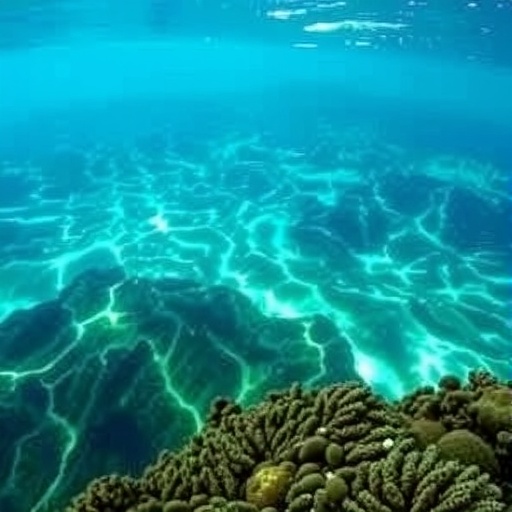
Marine environments have borne the brunt of climate-induced impacts in 2025. Sea surface temperatures around Australia climbed to record-breaking highs, exerting unbearable heat stress on underwater ecosystems globally monitored via satellites. Monitoring of 79 percent of the reef locations revealed heat stress surpassing once-in-a-decade benchmarks, exacerbating coral mortality and driving mass bleaching events. The Great Barrier Reef endured its sixth mass bleaching event in as many years, emphasizing the severity and frequency of thermal stress episodes that jeopardize coral health and resilience.
Furthermore, extraordinary marine heatwaves catalyzed a toxic algal bloom stretching across almost a third of South Australia’s coastline. This persistent bloom spanned the majority of 2025, decimating marine fauna and affecting coastal human populations through health and environmental degradation. The toxic bloom exemplifies a complex feedback loop where increased water temperatures facilitate harmful algal dominance, reducing oxygen levels and disrupting trophic interactions in coastal waters, with profound implications for fisheries, tourism, and public health.
While terrestrial ecosystems across much of Australia were bolstered by favorable rainfall, improving soil moisture and vegetation cover, the report highlights a stark dichotomy where terrestrial improvements contrast sharply with deteriorating marine conditions. According to ANU’s Professor Albert Van Dijk, the escalating frequency of extreme marine heatwaves represents an underwater parallel to the catastrophic Black Summer bushfires of 2019-2020—large scale, climate-driven mortality events that were historically rare but are now becoming increasingly commonplace.
Australia’s overall National Environmental Condition Score achieved a 7.4 out of 10 in 2025, signaling stable above-average conditions following the low points during the Black Summer crisis. Queensland stood out with an impressive 8.3 score, attributed to exceptional rainfall and extensive wetland flooding which stimulated ecological rejuvenation. The filling of Kati Thanda–Lake Eyre following significant rainfall triggered mass invertebrate hatchings, fish spawning events, and an influx of migratory waterbirds, demonstrating the positive potential of episodic climatic events in certain inland regions.
Conversely, southern and southeastern Australia experienced a continuation of dry winters for the third year running, dampening ecological recovery in locales such as Victoria, Tasmania, and the Australian Capital Territory. These dry conditions led to declines in environmental quality indicators and stressed regional biotas already vulnerable from past climatic extremes. The Northern Territory region also exhibited notable environmental score reductions, reflecting spatial variability in climate impact severity across the continent.
Regarding biodiversity trends, TERN’s Threatened Species Index reveals a devastating average decline of 59 percent across threatened species populations since the turn of the millennium. Particularly stark are the plights of reptiles and amphibians, which have experienced declines of 88 percent and 67 percent respectively. These taxa’s steep losses represent the most severe longitudinal drop among monitored groups and indicate ecosystem destabilization, especially within specialized niches requiring persistent microhabitat conditions now disrupted by climate change and anthropogenic disturbances.
Mammalian species, in contrast, have shown tentative signs of stabilization, likely owing to targeted conservation measures such as predator eradication programs and habitat restoration supported by favorable rainfall patterns in recent years. Nevertheless, the broader extinction crisis remains severe and is compounded by climate change’s synergistic interaction with habitat fragmentation, invasive species proliferation, and intensifying fire regimes. These multifactorial stressors create a complex conservation challenge requiring integrated scientific approaches and multi-sector cooperation.
Professor Van Dijk emphasizes that despite these daunting environmental trends, Australia’s ecosystems are not irredeemably lost. Some facets of the environment appear to have improved compared to a decade ago. However, the overarching trajectory demands drastically reduced carbon emissions to mitigate the worst prospective impacts. Given the irreversible warming embedded in the climate system, managing adaptation and resilience in the face of climate change will be an essential and defining task for Australia’s environmental future.
The report’s methodology draws from extensive datasets comprising satellite indices, ground station records, and targeted field research, synthesizing metrics related to precipitation, river flows, vegetation dynamics, soil health, and temperature regimes. These integrated environmental indicators culminate in the National Environmental Condition Score, providing a quantifiable and comprehensive snapshot of Australia’s ecological health at both national and regional scales.
In conclusion, while Australia exhibits resilience in some terrestrial sectors, the marine ecosystems serve as a critical warning system highlighting the accelerating and pervasive influence of climate change. The persistent marine heatwaves and resultant bleaching and toxic bloom phenomena foreshadow deeper ecological disarray if greenhouse gas emissions are not curtailed promptly. The 2025 Australia’s Environment Report thus serves as a clarion call for urgent climate action and innovative conservation strategies grounded in robust scientific evidence to safeguard Australia’s unique natural heritage.
Cite Scienmag News
Margaret Porter. (March 26, 2026). Australia’s Environment Shows Progress, but Climate Change Rapidly Accelerates Damage to Marine Ecosystems and Wildlife. Scienmag. https://scienmag.com/australias-environment-shows-progress-but-climate-change-rapidly-accelerates-damage-to-marine-ecosystems-and-wildlife/
Margaret Porter. "Australia’s Environment Shows Progress, but Climate Change Rapidly Accelerates Damage to Marine Ecosystems and Wildlife." Scienmag, 26 March 2026, https://scienmag.com/australias-environment-shows-progress-but-climate-change-rapidly-accelerates-damage-to-marine-ecosystems-and-wildlife/. Accessed 3 September 2026.
Margaret Porter. "Australia’s Environment Shows Progress, but Climate Change Rapidly Accelerates Damage to Marine Ecosystems and Wildlife." Scienmag. March 26, 2026. https://scienmag.com/australias-environment-shows-progress-but-climate-change-rapidly-accelerates-damage-to-marine-ecosystems-and-wildlife/


