


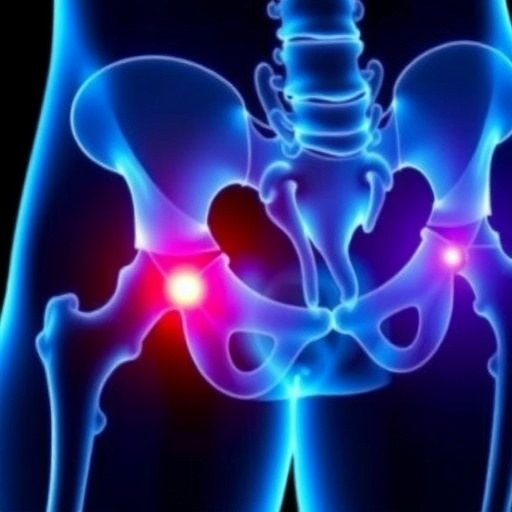
The increasing number of elderly patients undergoing surgeries, particularly hip fracture repairs, has prompted significant research into the optimal anesthesia methods for these individuals. A recent study published in BMC Geriatrics investigates the impact of different anesthesia techniques on early postoperative outcomes in this vulnerable population. Spearheaded by renowned researchers Camcıoglu, Sağlam, and Yücel, this retrospective three-way comparative study provides critical insights into how anesthetic choices can influence recovery trajectories in older adults facing hip fracture interventions.
The elderly population is uniquely susceptible to complications stemming from surgical procedures, particularly those that require anesthesia. Understanding the nuances of anesthesia methods is not merely academic; it directly correlates with patient health outcomes, recovery times, and overall mortality rates. As surgical techniques and recovery protocols evolve, so too must our comprehension of how different anesthesia approaches can optimize surgical outcomes for elderly patients. This study fills a crucial gap in existing literature, influencing both clinical practices and patient care strategies in geriatric surgery.
The retrospective nature of this study allowed researchers to draw on a comprehensive dataset, which included a diverse array of patient demographics, comorbidities, and surgical specifics. By examining patients who underwent hip fracture surgeries, the researchers could analyze various anesthesia methods, juxtaposing regional anesthesia, general anesthesia, and a combined approach. This multi-faceted perspective presents a robust foundation for understanding the distinct advantages and disadvantages posed by each method and sets the stage for future investigations into targeted anesthesia practices within geriatric populations.
The implications of the findings are significant, particularly given the rising incidence of hip fractures among the elderly. With a projected global elderly population expected to exceed two billion by 2050, the demand for surgical procedures in this demographic will only intensify. This study’s insights can guide healthcare providers in tailoring anesthesia plans that not only enhance immediate postoperative recovery but also promote longer-term health sustainability. The ability to minimize postoperative complications through informed anesthesia choices could substantially reduce hospital readmission rates, thereby improving quality of care and resource allocation within the healthcare system.
Equally critical is the need for comprehensive discussions on anesthesia risks versus benefits in elderly patients. Anesthesia can present various risks, particularly in older adults with complex medical histories. This study sheds light on the importance of personalized medicine in anesthesia — recognizing that one size does not fit all in treatment protocols. The comparative analysis illustrates the nuanced ways in which individual patient profiles should influence anesthesia choices, supporting the idea that clinicians must possess a robust understanding of a patient’s health status before determining the appropriate anesthesia route.
Moreover, the researchers’ findings advocate for enhanced preoperative assessments and postoperative monitoring tailored to the unique needs of elderly patients. Effective pain management, mobility support, and vigilant monitoring for potential complications are paramount as they significantly affect recovery trajectories. This aligns with growing clinical guidelines that recommend an interdisciplinary approach to geriatric care, emphasizing collaboration between surgeons, anesthesiologists, and geriatric specialists to foster best treatment practices.
Additionally, one of the study’s most enlightening aspects is its exploration of patient and family education surrounding anesthesia options and recovery expectations. Knowledge empowers patients and their loved ones, fostering better decision-making and alleviating anxieties associated with surgical procedures. Engaging in open dialogues regarding the risks and benefits of each anesthesia method can forge a participative model of care, enhancing patient satisfaction while ensuring informed consent.
The researchers also highlight the need for continued education and training for healthcare providers in light of evolving anesthetic techniques and technologies. As new methods emerge, staying abreast of the latest research findings and clinical practices is essential for optimizing patient outcomes. This study acts as a springboard for further inquiry, laying the groundwork for future investigations into how innovation in anesthesia can translate to improved care for elderly surgical patients.
The study’s evidence also aligns with broader discussions around healthcare resource utilization in aging populations. With healthcare costs ballooning worldwide, particularly in developed countries, optimizing surgical approaches to minimize complications is more crucial than ever. Streamlining anesthetic techniques can lead to shorter hospital stays, reduced healthcare expenditures, and better utilization of surgical resources, ultimately benefiting healthcare systems as a whole.
In conclusion, the insights provided by Camcıoglu, Sağlam, and Yücel’s retrospective study on anesthesia methods in elderly patients with hip fractures underscore the significance of individualized approaches in surgical care. The delicate balance between effective pain management and minimizing risks is critical, particularly in geriatric populations. The detailed examination of early postoperative outcomes based on varying anesthesia methods serves as a pivotal contribution to geriatric anesthesiology and highlights the imperative need for ongoing research to optimize care for this vulnerable demographic.
This groundbreaking work not only enhances clinical practices but also catalyzes essential discussions surrounding the evolution of anesthesia techniques in aging patients. Grounded in empirical data and clinical relevance, this study paves the way for further exploration into enhancing surgical care outcomes in the elderly, ensuring their dignity and health are held in the highest regard throughout their healthcare journeys.
Cite Scienmag News
Ophelia Keating. (February 8, 2026). Anesthesia Method’s Impact on Elderly Hip Fracture Recovery. Scienmag. https://scienmag.com/anesthesia-methods-impact-on-elderly-hip-fracture-recovery/
Ophelia Keating. "Anesthesia Method’s Impact on Elderly Hip Fracture Recovery." Scienmag, 8 February 2026, https://scienmag.com/anesthesia-methods-impact-on-elderly-hip-fracture-recovery/. Accessed 3 September 2026.
Ophelia Keating. "Anesthesia Method’s Impact on Elderly Hip Fracture Recovery." Scienmag. February 8, 2026. https://scienmag.com/anesthesia-methods-impact-on-elderly-hip-fracture-recovery/


