


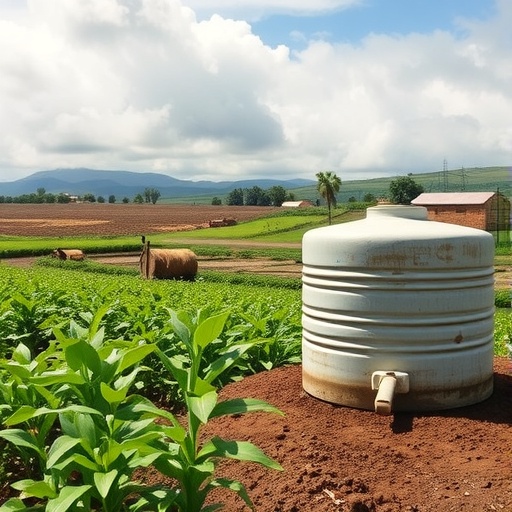
In recent years, the importance of sustainable energy practices has become more paramount than ever, especially in regions that heavily rely on agricultural practices, such as Northern Ethiopia. A groundbreaking study conducted by Mengistu, Meresa, and Sisay explores the intricate dynamics of biogas adoption among farm households in this region. Their work not only sheds light on the pressing need for alternative energy sources but also delves into the societal, economic, and environmental implications of biogas production.
Understanding biogas production begins with recognizing its basic scientific principles. Biogas, primarily composed of methane and carbon dioxide, is generated through the anaerobic digestion of organic materials. This process involves microorganisms that decompose organic waste in the absence of oxygen. The primary feedstocks for biogas include animal manure, crop residues, and other organic wastes, which are abundantly available in an agricultural society. As the global community grapples with climate change and the transition to renewable energy sources, biogas emerges as a viable solution, particularly in rural settings where energy access is often limited.
The study highlights the crucial role that biogas technology can play in transforming the energy landscape of Northern Ethiopia. By providing an alternative to traditional biomass sources, biogas can reduce dependency on firewood and charcoal, which are not only unsustainable but also contribute to deforestation and air pollution. Increased reliance on biogas technology provides a dual benefit: it diminishes environmental degradation while simultaneously supplying energy for household cooking and lighting needs, as well as offering a potential source of income through the sale of excess energy or digestate as fertilizer.
Furthermore, the research delves into the socio-cultural dimensions of biogas adoption among farm households. The findings suggest that community perceptions and attitudes towards biogas are influenced by several factors, including cultural beliefs, economic status, and levels of education. For many farmers, the initial investment costs associated with biogas technology can be a significant barrier. However, the prospect of lower energy costs and improved air quality in households presents a compelling case for the adoption of biogas systems.
Economic considerations play a vital role in the decision-making process regarding biogas adoption. The study indicates that households that experience energy shortages, particularly during the peak farming seasons, are more likely to adopt biogas technology. By alleviating energy constraints, biogas systems enhance household productivity and efficiency, thereby improving overall farm income. Additionally, the utilization of organic waste as a resource aligns with circular economy principles, promoting sustainability in agricultural practices which are essential for long-term economic viability.
Education and awareness are pivotal in fostering positive attitudes towards biogas adoption. The research emphasizes the necessity for information dissemination about the benefits of biogas technology, not just for individual households but for the wider community. Programs that engage local agricultural extension services and promote knowledge sharing can bridge the gap between technology availability and farmer adoption. By building trust and showcasing success stories, communities can rear more interest in sustainable energy solutions like biogas.
Environmental sustainability is another critical aspect explored in this study. The reduction of greenhouse gas emissions is urgent given the current climate crisis. Biogas systems can mitigate methane emissions from traditional waste disposal methods, as well as significantly reduce carbon footprints when used as a clean energy source. The environmental benefits realized through biogas adoption contribute to a sustainable agricultural model that is not solely focused on productivity but also on ecological balance and climate resilience.
As farmers in Northern Ethiopia navigate the complexities of biogas adoption, various challenges remain. The lack of technical support and maintenance expertise can hinder the successful implementation of biogas systems. Addressing these challenges requires concerted efforts from governmental bodies, NGOs, and the private sector to establish support networks that provide technical training and ongoing assistance. Furthermore, policy interventions aimed at subsidizing the initial costs or incentivizing biogas technology can play a transformative role in encouraging adoption.
In parallel with these challenges, the cultural acceptance of biogas technology is equally paramount. Informal social norms surrounding energy usage and household waste management can significantly impact adoption rates. Engaging community leaders and influencers can foster an environment of acceptance and enthusiasm for biogas systems. Initiatives could include community workshops, demonstrations, and open discussions that emphasize the feasibility and advantages of biogas adoption in partnership with local customs and traditions.
In conclusion, the study by Mengistu, Meresa, and Sisay presents a comprehensive overview of the biogas adoption landscape in Northern Ethiopia, highlighting its potential as a sustainable energy solution for farm households. As the world moves towards cleaner energy alternatives, understanding the nuanced factors that affect the adoption of biogas technologies provides useful insights for stakeholders. Through targeted education, economic incentives, and community engagement strategies, there is an opportunity to create a successful roadmap for integrating biogas into agricultural practices, ultimately paving the way for a sustainable energy transition.
This transformative journey not only promises to enhance energy access for rural communities but aligns with broader global efforts to reduce carbon emissions and combat climate change. Ultimately, the successful adoption of biogas in Northern Ethiopia could serve as a model for similar initiatives in other rural contexts, establishing biogas as a linchpin in the quest for sustainable energy solutions around the globe.
Mengistu, A.T., Meresa, A.M. & Sisay, S.D. Understanding biogas adoption for sustainable energy transition among farm households in Northern Ethiopia.
Discov Sustain (2026). https://doi.org/10.1007/s43621-026-02604-3
Cite Scienmag News
Alan Morgan. (January 24, 2026). Biogas Adoption: Key to Sustainable Energy in Ethiopia. Scienmag. https://scienmag.com/biogas-adoption-key-to-sustainable-energy-in-ethiopia/
Alan Morgan. "Biogas Adoption: Key to Sustainable Energy in Ethiopia." Scienmag, 24 January 2026, https://scienmag.com/biogas-adoption-key-to-sustainable-energy-in-ethiopia/. Accessed 4 September 2026.
Alan Morgan. "Biogas Adoption: Key to Sustainable Energy in Ethiopia." Scienmag. January 24, 2026. https://scienmag.com/biogas-adoption-key-to-sustainable-energy-in-ethiopia/


