Ageing researchers are paying close attention to a class of tiny biological particles that may carry rejuvenating signals between cells. In a perspective article published in Biomedical Materials Science, Shunhua Ding, Qingyu Lei and Wojciech Chrzanowski argue that small extracellular vesicles, or sEVs, derived from young plasma deserve recognition as a distinct class of multi-specific biological therapeutics for longevity medicine. The article, published on 27 August 2026, centres on a landmark preclinical study by Chen and colleagues in Nature Aging, in which injections of young plasma-derived sEVs extended the median lifespan of aged mice by approximately 12 percent while improving function across the brain, muscle, heart, bone and reproductive tissues.
Extracellular vesicles are membrane-bound particles released by virtually all cells, and they act as messengers of intercellular communication. Unlike conventional drugs that hit a single molecular target, individual vesicles carry a diverse payload of microRNAs, proteins, lipids and metabolites that can modulate several signalling pathways in a recipient cell at once. The authors also emphasise that EVs signal in more than one way: they can bind and be internalised, delivering cargo directly into a target cell; they can remain attached to the surface, sustaining receptor-mediated signalling; or they can bind transiently, activate a response and move on to engage additional cells in succession. This multi-specificity, the perspective argues, is precisely what interventions against ageing require, because ageing is driven by interconnected mechanisms rather than any single lesion.
The framework the authors apply is the twelve hallmarks of ageing, divided into primary hallmarks such as genomic instability, telomere attrition, epigenetic alterations, loss of proteostasis and disabled macroautophagy; antagonistic hallmarks including deregulated nutrient-sensing, mitochondrial dysfunction and cellular senescence; and integrative hallmarks such as stem cell exhaustion, altered intercellular communication, chronic inflammation and dysbiosis. The perspective notes that most current therapies target individual age-related diseases in isolation, leaving a gap for interventions that address the systemic, multifactorial nature of ageing itself. EVs are positioned as candidates for that role partly because vesicle-mediated signalling also operates across species boundaries, at the interface between host cells and the microbiome, a dimension conventional therapeutics cannot readily access.
The study at the heart of the perspective was conducted in male mice. Small extracellular vesicles were isolated from the plasma of young mice aged two months and aged mice aged twenty months by ultracentrifugation, and their identity was confirmed by nanoparticle tracking analysis, transmission electron microscopy and immunoblotting for canonical sEV markers including CD9, CD63, Alix and TSG101, with checks confirming the absence of albumin and calnexin. Young and aged preparations contained comparable particle numbers and a dominant size peak near 100 nanometres, but their cargo differed markedly. MicroRNA profiling identified miR-144-3p, miR-149-5p and miR-455-3p as significantly enriched in young sEVs, whereas miR-29a-3p, miR-29c-3p and miR-34a-5p characterised aged sEVs.
In the short-term protocol, aged mice aged 21 months received seven intravenous injections of 200 microlitres of young sEVs or a PBS control over two weeks, with a PBS control included to rule out effects of non-specific dilution or fluid administration, since plasma dilution with saline-albumin has been reported to reduce ageing-related effects. In the long-term protocol, aged mice aged 20 months received weekly injections until experimental endpoints, with assessments at defined points covering sperm quality, metabolic rate, cardiac function, bone microarchitecture and brain volume. The quantitative analysis reported by the perspective found that most outcomes showed large effect sizes, and that young sEVs reduced frailty index scores by 74 percent. The 12.42 percent median lifespan extension compared favourably in the authors’ analysis with figures reported for young plasma therapy, around 2.22 percent, and for 0.1 percent metformin, around 5.8 percent, in aged mice.
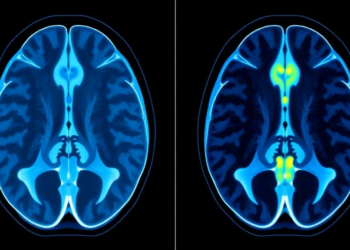
The reported rejuvenating effects were broad. Mitochondrial density was restored by 54 percent in the hippocampus and 86 percent in muscle, with more intact cristae, and ATP synthesis rates were restored by 104 percent in the hippocampus and 91 percent in muscle. Reactive oxygen species levels fell toward youthful baselines across organs, with full restoration in the heart, spleen, hippocampus and muscle. Markers of cellular senescence, including senescence-associated beta-galactosidase activity and the cell-cycle inhibitors p16 and p21, decreased, and tissue levels of advanced glycation end-products were reduced, reaching near-complete restoration of 98 percent in the heart and hippocampus. Reproductive measures improved, with sperm concentration restored by 74 percent, sperm motility near young control levels, implantation sites up 44 percent and litter size up 85 percent. MRI showed 79 percent restoration of hippocampal volume and 65 percent of cortical volume, alongside improved spatial memory and contextual fear conditioning. Bone trabecular number increased by 155 percent, locomotor activity rose by 32 percent, time to exhaustion was restored by 75 percent, and ejection fraction showed 77 percent restoration.
Mechanistically, the perspective links these effects to the PGC-1alpha-mitochondrial axis. PGC-1alpha is a master regulator of mitochondrial biogenesis, and the young-enriched microRNAs indirectly stimulate it, while the aged-enriched microRNAs suppress it. In vitro experiments with miRNA mimics showed that miR-144-3p, miR-149-5p and miR-455-3p improved mitochondrial respiration, ATP production and cellular proliferation, and in vivo validation confirmed upregulation of PGC-1alpha in the hippocampus and muscle. A blockade experiment using anti-miR oligonucleotides against these three microRNAs indicated that they are necessary for the rejuvenating effect; notably, co-administration did not simply cancel the enhancement but reduced mitochondrial function below baseline levels, which the authors interpret as evidence that these microRNAs are essential endogenous regulators of mitochondrial homeostasis rather than merely supplementary factors.
The perspective is equally clear about limitations. The mechanistic evidence is largely confined to a single pathway, and whether young sEVs influence primary hallmarks such as genomic instability, epigenetic alterations, telomere attrition and loss of proteostasis was not directly addressed. Functional markers of inflammation, such as IL-6 or TNF-alpha, were not measured, even though the young-enriched microRNAs have documented links to inflammatory signalling. The in vitro experiments used H2O2-induced acute oxidative stress, which the authors caution may reflect antioxidant and DNA repair capacity rather than reversal of established age-related dysfunction, and immortalised cell lines may not fully represent ageing in vivo. Some key findings on locomotor activity and metabolic rates were limited by high p-values and require further validation. All main experiments used male mice as both donors and recipients, so whether the effects are sex-specific remains unknown, and the 200 microlitre injection volume approaches the standard upper limit for a single intravenous dose in an adult mouse, raising questions about scalable dosing for humans.
Durability is another central concern. The authors note that it remains unknown whether restored physiological and mitochondrial functions persist, regress to baseline, or partially decline once the exogenous sEV stimulus is removed, and they propose a finite treatment period followed by a two-month washout phase before reassessment as a robust test. They also observe that the field lacks a standard framework for evaluating anti-ageing therapies and argue that claims of rejuvenation should require evidence of durability after treatment cessation, alongside sustainable and measurable reversal of pathology across multiple indicators. Questions of manufacturing, standardisation and regulatory translation remain open, and the authors point to prior cautionary examples, such as nicotinamide, whose celebrated anti-ageing effects were accompanied by metabolic disruption, as reminders that mechanistic improvements do not necessarily translate into net health benefit.
Despite these caveats, the perspective concludes that the Chen et al. study represents the most comprehensive preclinical demonstration to date of sEV-mediated systemic rejuvenation, establishing bidirectional causality: young sEVs reversed age-related decline in aged mice, while aged sEVs induced ageing-like phenotypes in young mice. Comparable rejuvenating effects were observed with young human plasma-derived sEVs administered to aged mice, improving mitochondrial energy metabolism in aged tissues and cells. The authors argue that EVs constitute a new class of medicine operating across human cells and the microbiome, and that further work is now needed to map how young sEVs engage the wider hallmarks of ageing and inflammaging, and to convert that mechanistic clarity into safe, reliable clinical application.
Subject of Research: Therapeutic potential of young plasma-derived small extracellular vesicles for rejuvenation in aged mice
Article Title: Extracellular vesicles in longEVity medicines
Article References: Ding, S., Lei, Q., & Chrzanowski, W. (2026). Extracellular vesicles in longEVity medicines. Biomedical Materials Science, 1(1), Article 7. https://doi.org/10.1186/s44495-026-00006-1
Image Credits: AI Generated
DOI: 10.1186/s44495-026-00006-1
Keywords: extracellular vesicles, ageing, longevity, small extracellular vesicles, PGC-1alpha, mitochondria, senescence, miRNA, preclinical study, male mice, hallmarks of ageing, rejuvenation
Cite Scienmag News
Beatrice Stafford. (October 28, 2026). Young plasma vesicles rejuvenate aged mice, but key questions remain open. Scienmag. https://scienmag.com/young-plasma-vesicles-rejuvenate-aged-mice-but-key-questions-remain-open/
Beatrice Stafford. "Young plasma vesicles rejuvenate aged mice, but key questions remain open." Scienmag, 28 October 2026, https://scienmag.com/young-plasma-vesicles-rejuvenate-aged-mice-but-key-questions-remain-open/. Accessed 28 October 2026.
Beatrice Stafford. "Young plasma vesicles rejuvenate aged mice, but key questions remain open." Scienmag. October 28, 2026. https://scienmag.com/young-plasma-vesicles-rejuvenate-aged-mice-but-key-questions-remain-open/