


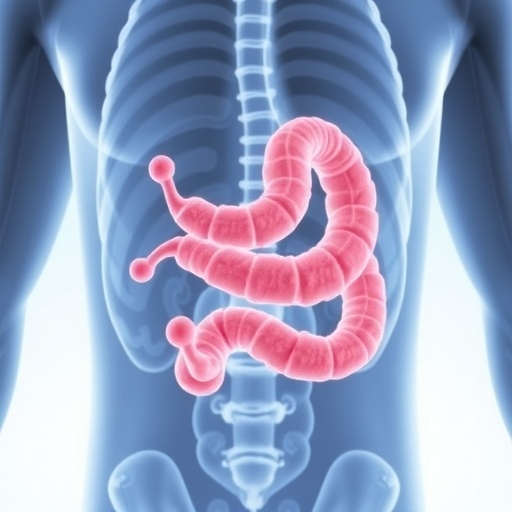
In a groundbreaking study that promises to alter the trajectory of colorectal cancer treatment, researchers at the University of Galway have unveiled critical insights into how bowel cancer manipulates the immune system to its advantage—and, crucially, how this suppression can be reversed. Published in the Journal for ImmunoTherapy of Cancer, this research explores the intricate cellular interactions within tumors that inhibit the body’s natural defense mechanisms, charting a path towards more effective immunotherapies.
Colorectal cancer, commonly known as bowel cancer, remains one of the leading causes of cancer-related mortality worldwide. Despite notable advances in treating cancers such as melanoma and lung cancer through immunotherapy, progress in bowel cancer has been hampered by the tumor’s ability to “turn off” immune responses. Professor Aideen Ryan, an esteemed figure in tumor immunology at University of Galway’s College of Medicine, Nursing and Health Sciences, highlights that limitations in current immunotherapy interventions have left many patients battling advanced disease with scant options and poor prognoses.
The fundamental breakthrough from this research centers on the tumor microenvironment—specifically, the role of structural stromal cells that surround and support cancerous growth. These stromal cells were previously considered passive scaffolding but are now revealed as active participants in immune evasion. They deploy a sophisticated biochemical mechanism to suppress two critical players in tumor immunity: natural killer (NK) cells and macrophages. This suppression effectively disarms the body’s innate ability to combat the tumor.
Delving deeper into biochemical pathways, the study elucidates the role of sialoglycans—complex sugar molecules that coat the stromal cells. These sialoglycans interact with Siglec receptors on immune cells, creating an inhibitory signal that dampens immune activation. This glycan-receptor interaction emerges as a novel immune checkpoint distinct from the well-characterized PD-1/PD-L1 axis, and is responsible for inducing an “immune brake” within the tumor milieu.
The researchers identified a critical enzyme responsible for synthesizing these Siglec-binding sialoglycans on stromal cells, effectively orchestrating the immune suppression. By introducing sialidase drugs—enzymes that cleave sialoglycans—the team was able to disrupt this inhibitory signaling, reactivating NK cells and macrophages. This reactivation led not only to tumor shrinkage but also inhibited metastasis, the often-lethal spread of cancer cells beyond the colon.
Such findings underscore the potential of targeting the sialoglycan-Siglec axis as a completely new therapeutic avenue. It offers hope to overcome the long-standing resistance of colorectal cancers to immunotherapeutic approaches. The study’s interdisciplinary approach, combining immunology, oncology, biochemistry, and pharmaceutical innovation through collaboration with Palleon Pharmaceuticals, emphasizes translational medicine’s capacity to transform laboratory discoveries into clinical realities.
Professor Ryan emphasizes that the complexity of tumor-immune interactions had masked this crucial immune checkpoint until now. Her team’s work reveals how cancer, far from being a static entity, actively reprograms the nearby stromal cells to sabotage immune defenses. This shift in understanding could revolutionize how clinicians approach bowel cancer treatment, moving away from solely attacking tumor cells to also modulating their surrounding environment.
The implications extend beyond colorectal cancer, as the sialoglycan-Siglec pathway represents a fundamental immune regulatory mechanism that might be exploited by other tumor types. Dr. Michael O’Dwyer, Scientific Director of the University of Galway Cancer Centre, calls this research exemplary for illustrating how cellular cross-talk within tumors facilitates cancer progression and immune evasion, highlighting the promise of innovations emerging from collaborative cancer research hubs.
Industry leaders also recognize the significance of these findings. Jim Broderick, CEO of Palleon Pharmaceuticals, notes that the role of sialoglycans in cancer-associated immunosuppression has been underappreciated until recently. By developing drugs that disrupt sialoglycan-mediated immune checkpoints, the pharmaceutical industry is poised to open new frontiers in immuno-oncology, potentially benefiting patients with colorectal and other refractory cancers.
This pioneering research gains further visibility through public engagement, featuring in the Breakthrough Cancer Research exhibition “Cancer Revolution: Science, Innovation and Hope” held at Stephen’s Green Shopping Centre. The exhibition showcases captivating microscopy imagery and 3D tumor models that visually narrate how stromal cells suppress immune activity in bowel cancer, ultimately illustrating the science behind a potential new class of immunotherapy treatments.
While the pathway from discovery to clinical application is complex, the significance of these findings offers renewed optimism. By targeting an entirely new immune checkpoint within the tumor microenvironment, there is tremendous potential to enhance the efficacy of immunotherapies for colorectal cancer patients globally, who have long awaited breakthroughs beyond conventional chemotherapy and radiation.
This study marks a monumental stride in tumor immunology, reshaping dogma around the tumor microenvironment’s role in immune modulation. It invites the scientific community and clinicians alike to reexamine therapeutic strategies, and opens the door to tailored immunotherapies that can better harness the innate power of the immune system against one of the world’s most deadly cancers.
Cite Scienmag News
Nathaniel Bowman. (October 20, 2025). World-First Breakthrough in Bowel Cancer Immunotherapy Unveiled. Scienmag. https://scienmag.com/world-first-breakthrough-in-bowel-cancer-immunotherapy-unveiled/
Nathaniel Bowman. "World-First Breakthrough in Bowel Cancer Immunotherapy Unveiled." Scienmag, 20 October 2025, https://scienmag.com/world-first-breakthrough-in-bowel-cancer-immunotherapy-unveiled/. Accessed 5 September 2026.
Nathaniel Bowman. "World-First Breakthrough in Bowel Cancer Immunotherapy Unveiled." Scienmag. October 20, 2025. https://scienmag.com/world-first-breakthrough-in-bowel-cancer-immunotherapy-unveiled/


