


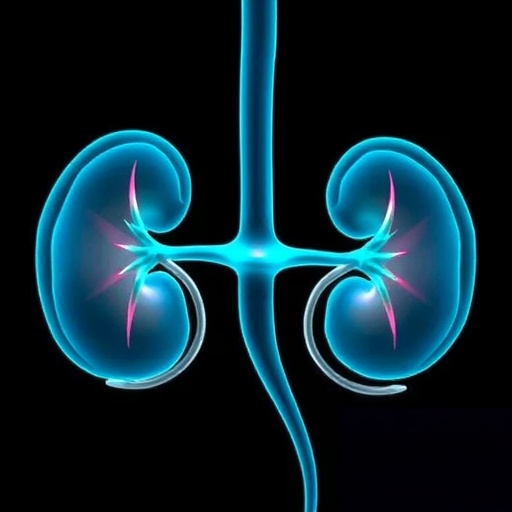
Vancomycin, a glycopeptide antibiotic long revered as a stalwart in the fight against resistant bacterial infections, has garnered renewed scrutiny due to its nephrotoxic potential, particularly in vulnerable populations. A recent multicenter retrospective cohort study conducted across China has illuminated the pronounced risk of acute kidney injury (AKI) associated with vancomycin use in older adults, raising pivotal questions about dosing, monitoring, and alternative therapeutic strategies in geriatric care.
The study meticulously analyzed clinical data collected from multiple tertiary hospitals where older patients received vancomycin as part of their antimicrobial regimen. By examining kidney function trajectories before, during, and after treatment, researchers discerned a statistically significant pattern of AKI occurrence correlating with vancomycin exposure. This correlation persisted even after adjusting for confounding variables such as comorbidities, concurrent nephrotoxic drugs, and baseline renal impairment, underscoring the intrinsic nephrotoxicity of vancomycin in the aging population.
Acute kidney injury is characterized by a sudden decline in glomerular filtration rate (GFR), manifesting as elevated serum creatinine and diminished urine output, which can precipitate chronic kidney disease or mortality if left unchecked. The pathophysiological mechanisms underpinning vancomycin-induced AKI are multifaceted, encompassing oxidative stress, mitochondrial dysfunction, and direct tubular epithelial cell damage. Notably, older patients exhibit heightened susceptibility due to age-related decline in renal reserve, altered pharmacokinetics, and frequent polypharmacy, exacerbating the drug’s renal burden.
In this investigation, the incidence rates of vancomycin-induced AKI in the elderly Chinese cohort were considerably higher than reported in younger populations, providing compelling evidence that age is an independent risk factor. The inherent pharmacodynamic changes in aging kidneys, such as reduced clearance and increased tissue sensitivity, may elevate systemic and intrarenal concentrations of vancomycin, thereby amplifying nephrotoxic effects.
The findings provoke a reevaluation of current dosing protocols for vancomycin, which traditionally hinge on weight and serum creatinine measurements. This study advocates for enhanced vigilance through therapeutic drug monitoring (TDM), including measuring trough levels to calibrate dosing more precisely and mitigate nephrotoxicity. Incorporating contemporary biomarkers of early kidney injury could further refine risk stratification and enable preemptive interventions.
Moreover, the study foregrounds the critical challenge of balancing efficacious antimicrobial therapy with the prevention of iatrogenic kidney damage. Vancomycin remains indispensable against methicillin-resistant Staphylococcus aureus (MRSA) and resistant Gram-positive infections, but its renal safety profile necessitates judicious use, particularly in the elderly. Clinicians may need to consider alternative agents such as linezolid or daptomycin where feasible, or employ combination therapies that allow reduced vancomycin dosages without compromising antibacterial efficacy.
The expansive dataset in this multicenter cohort provided an unprecedented lens into real-world clinical outcomes, revealing subtle clinical predictors of AKI beyond traditional metrics. These include baseline hypoalbuminemia, concomitant use of diuretics or NSAIDs, and inflammatory status, all of which may synergize to potentiate nephrotoxicity. Tailoring treatment plans with these factors in mind could attenuate renal adverse effects while preserving therapeutic benefit.
It is also imperative to acknowledge the diagnostic challenges in detecting early AKI among elderly patients receiving vancomycin. Conventional markers tend to lag behind actual renal injury, delaying timely clinical decisions. This study’s implications extend to urging broader adoption of novel sensitive indicators like neutrophil gelatinase-associated lipocalin (NGAL) or kidney injury molecule-1 (KIM-1), which could herald a transformative shift in nephrotoxicity monitoring paradigms.
Furthermore, the research adds a valuable dimension to the global discourse on antimicrobial stewardship, affirming that drug toxicity profiles must be rigorously assessed alongside antimicrobial resistance patterns. Older patients, due to their unique physiologic and pharmacologic landscapes, represent a population where personalized medicine takes on heightened significance. This study’s insights beckon a more nuanced, multidisciplinary approach involving pharmacists, nephrologists, and infectious disease specialists to optimize care pathways.
The geographic and ethnic context of the research in Chinese elderly patients also prompts consideration of genetic and environmental factors influencing vancomycin metabolism and toxicity. Pharmacogenomic variability may underlie differential susceptibility, suggesting future investigations could explore targeted genetic screening to inform precision dosing strategies.
As the aging global population burgeons, the prevalence of infections necessitating potent antibiotics like vancomycin will inevitably rise. This trend mandates proactive efforts to anticipate and mitigate associated risks, framing nephrotoxicity prevention as a critical goal in geriatric pharmacotherapy. The study’s comprehensive data reservoir supplies a foundation from which clinical guidelines can evolve to better safeguard renal health.
In conclusion, this landmark multicenter retrospective cohort study delineates a stark association between vancomycin administration and acute kidney injury in older Chinese patients, illuminating pathways for improved clinical oversight. By integrating advanced monitoring methods, embracing personalized dosing adjustments, and exploring alternative therapeutic avenues, healthcare providers can aspire to maximize treatment efficacy while minimizing deleterious renal outcomes in one of the most vulnerable patient populations.
The urgency of these findings reverberates beyond China, offering globally relevant lessons in the delicate art of antibiotic stewardship amidst an aging demographic. It compels a reevaluation of vancomycin’s role, balancing its indispensable antimicrobial potency against the heightened nephrotoxicity risk in elderly patients, and propelling innovation in safer infection management strategies.
Cite Scienmag News
Ophelia Keating. (May 8, 2026). Vancomycin Kidney Injury in Older Chinese Patients. Scienmag. https://scienmag.com/vancomycin-kidney-injury-in-older-chinese-patients/
Ophelia Keating. "Vancomycin Kidney Injury in Older Chinese Patients." Scienmag, 8 May 2026, https://scienmag.com/vancomycin-kidney-injury-in-older-chinese-patients/. Accessed 3 September 2026.
Ophelia Keating. "Vancomycin Kidney Injury in Older Chinese Patients." Scienmag. May 8, 2026. https://scienmag.com/vancomycin-kidney-injury-in-older-chinese-patients/


