


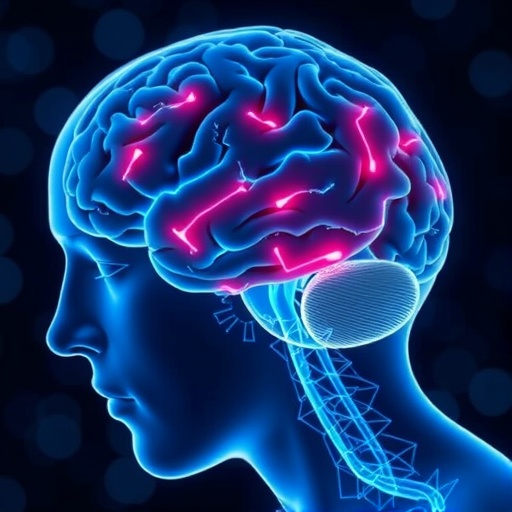
In a compelling advance that bridges the intersections of neurology, gerontology, and psychiatry, recent research explores the intricate relationships among pain, sleep disturbances, depressive symptoms, and cognitive decline in aging populations. Specifically focusing on older Mexican Americans, this study sheds light on the complex symptomatic clusters that often precede or accompany the deterioration of cognitive function. This pioneering work, published in BMC Geriatrics, represents a comprehensive analysis of how seemingly disparate clinical complaints intertwine, potentially unmasking early indicators and mechanisms underlying cognitive impairment in elders.
Pain, a pervasive and often debilitating condition among older adults, has long been recognized as more than a mere somatic complaint. Rather, it emerges as a multifaceted experience influenced by physiological, psychological, and socio-cultural factors. Chronic pain, especially in geriatric populations, can contribute to a cascade of health complications including impaired mobility, mood disorders, and compromised quality of life. The study at hand delves into the nuanced effects of pain complaints within the broader context of late-life cognitive health, revealing correlations that extend beyond conventional clinical expectations. Researchers have found that persistent pain may act not only as a physical detriment but also as a catalyst for neurological decline, mediated through both direct and indirect pathways.
Sleep complaints represent another critical facet of this complex clinical profile. Sleep disturbances are notorious for their bidirectional relationship with cognitive function. Aging individuals frequently report problems such as insomnia, fragmented sleep, and non-restorative rest, all of which have been implicated in exacerbating cognitive deficits including memory loss, diminished executive function, and reduced processing speed. This research explores how sleep complaints—when intertwined with chronic pain and depressive symptoms—may collectively predict or amplify the trajectory of cognitive deterioration in older Mexican Americans. Such findings underscore the necessity of multidimensional assessments in geriatric healthcare, promoting an integrative approach to symptom management.
Depression, traditionally viewed as an affective disorder, assumes a surprisingly pivotal role in modulating cognitive health among elders. The study categorizes depressive symptoms into distinct clusters, elucidating which particular features of depression—such as anhedonia, psychomotor retardation, or cognitive-affective dissociation—are most intimately linked with declining mental acuity. This stratification clarifies previously ambiguous clinical correlations, suggesting that not all depressive symptoms exert equal influence on cognition. By parsing depressive symptomatology with greater precision, the researchers pave the way for targeted therapeutic interventions aimed at mitigating cognitive decline through mental health optimization.
Taken together, the triad of pain, sleep complaints, and depressive symptoms constitutes a symptomatic constellation that may serve as a harbinger of cognitive impairment. The researchers employed advanced statistical modeling and longitudinal data analysis to unravel how these variables interact over time within a socio-demographically specific cohort. Their focus on older Mexican Americans is particularly significant, addressing a historically underrepresented group in neurological and psychiatric research. Such demographic specificity enhances the applicability of findings, accounting for cultural, environmental, and genetic factors unique to this population.
Biological mechanisms underlying the observed associations likely encompass neuroinflammatory processes, hypothalamic-pituitary-adrenal axis dysregulation, and neurotransmitter imbalances. Chronic pain is known to incite systemic inflammation and alter neural plasticity, potentially accelerating neurodegeneration. Likewise, sleep disturbances disrupt critical restorative processes, such as synaptic homeostasis and metabolite clearance via the glymphatic system, thereby contributing to cognitive compromise. Depression’s neurobiological impact includes perturbations in monoaminergic systems and heightened cortisol levels, which may exacerbate neuronal vulnerability. This research integrates these mechanistic insights to build a cohesive explanatory framework linking clinical symptoms with molecular and physiological substrates.
Importantly, the study extends beyond mere correlation, investigating temporal precedence and potential causality within the symptomatic triad and cognitive decline. By employing longitudinal follow-ups and robust analytic techniques, the researchers discern patterns suggesting that pain and sleep complaints may precede depressive symptom exacerbation, which in turn accelerates cognitive deterioration. This sequence highlights possible intervention points where mitigating one or more symptoms could yield neuroprotective effects. Such temporal mapping is critical for designing clinical trials and preventive strategies aimed at prolonging cognitive health in aging populations.
The choice of population within this research spotlights older Mexican Americans, shedding light on health disparities and unique sociocultural determinants that influence symptom expression and disease progression. Factors such as socioeconomic status, healthcare access, familial support structures, and cultural attitudes toward pain and mental health shape clinical presentations and outcomes. By incorporating these contextual considerations, the study advances personalized medicine paradigms and advocates for culturally sensitive diagnostic and therapeutic practices. It calls for increased research representation and healthcare equity within minority aging populations.
From a clinical perspective, these findings invite healthcare professionals to adopt a holistic, interdisciplinary approach when evaluating cognitive decline risks. Screening for chronic pain and sleep disturbances alongside mental health assessments could enable early detection of individuals at elevated risk for neurodegenerative disorders. Moreover, integrated management protocols that concurrently address pain relief, sleep quality improvement, and depression treatment may synergistically improve cognitive trajectories. The study propels the argument for routine inclusion of comprehensive symptom cluster evaluations within geriatric care guidelines.
Translational implications extend to the development of novel therapeutics that target shared pathophysiological pathways across pain, sleep, and mood disorders to forestall cognitive impairment. Pharmacological agents modulating neuroinflammatory cascades, circadian rhythm regulators, or neuromodulators may hold promise. Additionally, behavioral interventions such as cognitive-behavioral therapy for insomnia and pain management, along with psychosocial support, represent pivotal components of a multifaceted treatment landscape informed by this research. The integration of precision medicine approaches tailoring intervention based on symptom clusters marks a paradigm shift in aging neuroscience.
The study also emphasizes methodological rigor through the application of validated diagnostic tools, culturally adapted assessment scales, and longitudinal cohort design. Such methodological considerations enhance the reliability and generalizability of findings, setting a benchmark for future research in aging and cognition. The incorporation of advanced biostatistical techniques allowed for nuanced interpretation of interrelated variables, underscoring the multifactorial nature of cognitive decline. Future research directions include leveraging neuroimaging, biomarker assays, and genetic profiling to further unravel biological underpinnings and personalize interventions.
Beyond medical implications, this research resonates with broader societal concerns regarding aging populations and the attendant risks of dementia and neurodegeneration. By illuminating modifiable symptom clusters linked to cognitive decline, the study advocates for proactive public health strategies emphasizing early symptom recognition, education, and resource allocation for vulnerable groups. Addressing disparities in symptom treatment and cognitive health preservation is paramount as demographic shifts lead to rapid increases in elder populations globally. This study contributes critical knowledge toward achieving healthier aging and reducing the burden of cognitive disorders.
In summary, this seminal investigation provides profound insights into how pain, sleep disturbances, and depressive symptom clusters interrelate to influence cognitive trajectories among older Mexican Americans. The elucidation of symptom interplay, biological mechanisms, and temporal dynamics holds significant promise for improving diagnostic acuity, therapeutic approaches, and health equity in geriatric neuropsychiatry. As the global population ages, addressing such complex multidimensional symptomatology becomes increasingly crucial for safeguarding cognitive health and enhancing quality of life. The study thus charts a forward-thinking course for both clinical practice and future research imperatives in the intersecting realms of pain management, mental health, sleep science, and cognitive aging.
Cite Scienmag News
Glenn Wilkins. (May 28, 2026). Pain, Sleep, Depression Linked to Cognitive Decline. Scienmag. https://scienmag.com/pain-sleep-depression-linked-to-cognitive-decline/
Glenn Wilkins. "Pain, Sleep, Depression Linked to Cognitive Decline." Scienmag, 28 May 2026, https://scienmag.com/pain-sleep-depression-linked-to-cognitive-decline/. Accessed 5 September 2026.
Glenn Wilkins. "Pain, Sleep, Depression Linked to Cognitive Decline." Scienmag. May 28, 2026. https://scienmag.com/pain-sleep-depression-linked-to-cognitive-decline/


