


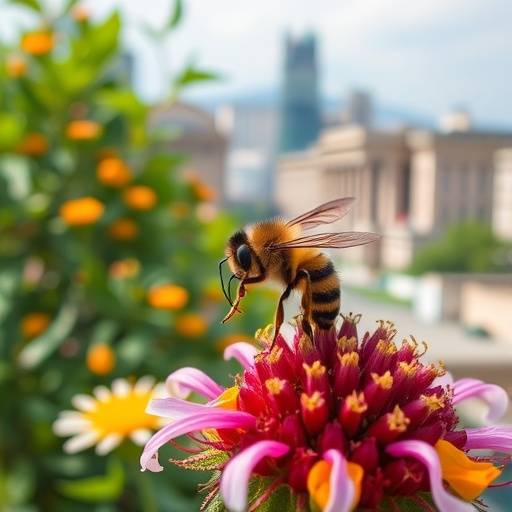
The impact of urbanization on biodiversity has become a pressing concern as cities expand and green spaces diminish. A recent study conducted by researchers from the University of Sheffield sheds light on this issue, revealing a significant decline in pollinator species in urban environments. The investigation presents alarming findings: urban landscapes are fostering an environment where pollinator populations are dropping by approximately 43 percent. This decline is particularly evident in cities like Sheffield, Leeds, and Leicester, where the research was conducted in various allotment settings.
Pollinators, including bees, hoverflies, and nocturnal moths, play a crucial role in maintaining the health and diversity of ecosystems. They are essential not only for the reproduction of numerous wild flowering plants but also for many crops that sustain human populations. This research poses questions about the sustainability of urban living and the viability of our food systems as more natural habitats are lost to urban development. The findings underscore the vital need for increased awareness and conservation efforts targeted at preserving these essential insect species amid growing urbanization.
As urban spaces become more populated and saturated with impervious surfaces, like concrete and asphalt, the habitats that support these vital insects are disappearing. The study emphasizes that the specific ecological needs of various pollinator groups differ significantly, impacting their survival rates in urbanized areas. For example, while bees are often the focus of conservation efforts, nocturnal moths and hoverflies are just as important for pollination but are often overlooked. Their reliance on specific habitats—like tree canopies and stagnant water—is key to their survival, and these are exactly what are in short supply in heavily developed urban landscapes.
The researchers conducted their study by comparing allotment sites across urban settings, from bustling city centers to more suburban locations. The results painted a clear picture: areas that were more urbanized exhibited not only a decrease in the abundance of pollinator species but also a significant reduction in species diversity. This trend is alarming, considering the vital role that pollinating insects play in global food security and ecosystem health. As urban infrastructures expand, the delicate balance of these ecosystems is threatened, further complicating efforts to sustain biodiversity within metropolitan areas.
Lead author Emilie Ellis highlighted the severity of this situation, noting that the focus on bees often overshadows the plight of other equally essential pollinators. This one-dimensional approach could lead to incomplete strategies that fail to account for the diverse needs of all pollinator species. The research indicates that cities tend to provide inadequate resources for moths and hoverflies, which are crucial to maintaining a healthy ecological balance. As these species decline, the implications for environments and agricultural reliability become increasingly dire.
The research advocates for a reevaluation of existing urban planning policies, calling for more sustainable designs that promote green spaces in cities. Integrating semi-natural habitats into urban environments can remedy some of the habitat loss faced by these inseparable components of our ecosystems. The study identifies key features of urban greenspaces that can enhance insect communities, such as a diverse array of flowering plants, tree canopies, and water sources. By fostering these elements in urban landscapes, cities can begin to reverse the negative impact on pollinator populations.
Researchers are taking this opportunity to call for collaboration between scientists, urban planners, and policymakers. Aligning strategies can lead to comprehensive urban plans that prioritize ecological health while accommodating growing populations. As stakeholder engagement increases, the incorporation of biodiversity goals into urban development becomes an essential responsibility. This integrative approach could safeguard against the loss of vital ecological services that pollinators provide.
Moreover, the research highlights the relationship between ecological health and urban agriculture. Allotments, often seen as urban gardens, not only support biodiversity but also contribute to food security in cities. Encouraging more green spaces and allotment developments could thus offer a dual benefit—enhancing the urban environment while supporting crucial pollinator populations. This serves as a compelling argument for prioritizing ecological considerations when designing urban spaces.
Additionally, the findings reinforce the concept that urban environments can serve as experimental grounds for conservation efforts. By adopting adaptive management strategies and researching the effectiveness of different urban greening initiatives, cities can discover innovative methods to protect and promote pollinator populations. Through ongoing research and implementation of best practices, the fragile balance of urban ecosystems can be maintained while still accommodating the needs of human populations.
The participation of communities in conservation efforts is imperative. Scientists stress that public involvement in creating and maintaining green spaces can lead to greater awareness and advocacy for pollinator protection. Local citizens participating in planting initiatives, landscaping efforts, and habitat restoration projects can generate a grassroots movement that emphasizes the importance of pollinators in urban settings. Through education and hands-on collaboration, residents can become stewards of their environments, fostering a culture of sustainable living.
In summary, the University of Sheffield study unveils the daunting challenges facing urban pollinator populations. As cities continue to expand, the delicate balance of biodiversity hangs in the balance. The implications of declining pollinator species extend beyond the local flora and fauna; they affect food systems, agriculture, and overall urban sustainability. Addressing these issues will require concerted efforts from researchers, urban planners, policymakers, and local communities. With proper attention and initiatives aimed at integrating the needs of pollinators into urban designs, cities can become biodiversity havens that support both human and ecological health.
This research serves as a crucial call to action. Enhancing urban biodiversity by protecting pollinator species will not only improve urban environments but will also ensure sustainability for future generations. As we step into a more urbanized world, it becomes paramount that we recognize and address the threats faced by pollinators. With engagement, awareness, and effort, cities can thrive as vibrant ecosystems rather than barren landscapes devoid of life.
News Publication Date: August 6, 2025
Web References: Royal Society’s flagship biological research journal
References: Proceedings of the Royal Society B Biological Sciences, DOI: 10.1098/rspb.2025.0102
Keywords
Ecosystems, Urbanization, Pollinator Conservation, Biodiversity, Environmental Sciences
Cite Scienmag News
Gavin Prescott. (August 6, 2025). Urbanization Contributes to a 43% Decline in Pollinating Insects. Scienmag. https://scienmag.com/urbanization-contributes-to-a-43-decline-in-pollinating-insects/
Gavin Prescott. "Urbanization Contributes to a 43% Decline in Pollinating Insects." Scienmag, 6 August 2025, https://scienmag.com/urbanization-contributes-to-a-43-decline-in-pollinating-insects/. Accessed 5 September 2026.
Gavin Prescott. "Urbanization Contributes to a 43% Decline in Pollinating Insects." Scienmag. August 6, 2025. https://scienmag.com/urbanization-contributes-to-a-43-decline-in-pollinating-insects/


