


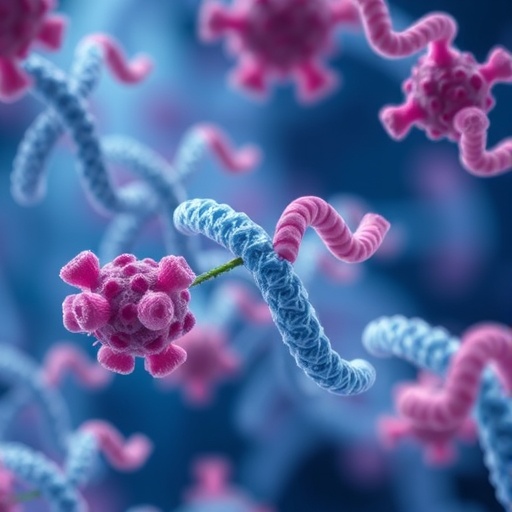
In the intricate web of microbial ecosystems within our water environments lies an often-overlooked player with a paradoxical role in the global antibiotic resistance crisis: inactivating antibiotic resistance genes (inactivating ARGs). Traditionally framed solely as villains in the narrative of emerging drug-resistant pathogens, recent groundbreaking research reveals that these genes wield a dual-edged influence that not only threatens human health but also fortifies environmental and microbial community stability. This revelation challenges the conventional wisdom surrounding antimicrobial resistance (AMR) and opens new avenues for nuanced approaches in combating infectious diseases while preserving ecosystem integrity.
Water environments, encompassing rivers, lakes, groundwater, and wastewater systems, are pivotal arenas for the transmission and evolution of AMR. These aquatic habitats collect antibiotics, resistant bacteria, and resistance genes through myriad anthropogenic pathways — from pharmaceutical manufacturing discharges to agricultural runoff and municipal wastewater. The dynamic water cycle facilitates the exchange of genetic material across microbial communities, intensifying the complexity and reach of antibiotic resistance dissemination. Within this context, inactivating ARGs encode enzymes capable of dismantling antibiotics chemically, rendering these drugs ineffective. Their presence in environmental reservoirs underscores a critical interface where microbial ecology and clinical risk intersect.
However, the role of inactivating ARGs extends beyond the alarming prospect of augmenting pathogenic resistance. Recent studies, including the pivotal work by Zhang et al., illuminate a subtler protective function these genes serve within microbial consortia. By enzymatically neutralizing antibiotics in their local milieu, inactivating ARGs effectively reduce concentrations of bioactive drugs, thereby alleviating selective pressure that typically drives the proliferation of resistant strains. This environmental buffering fosters microbial ecosystem resilience, promoting diversity and stability within both host-associated microbiomes and broader ecological networks.
This ecological dimension challenges the simplistic categorization of resistance genes as solely detrimental. Instead, inactivating ARGs can act as cooperative traits, creating microhabitats where sensitive species survive and maintain essential ecosystem functions. For instance, in wastewater treatment plants and natural aquatic systems, such communal protection mechanisms may enhance biodegradation processes, nutrient cycling, and overall system performance by tempering the disruptive influence of antibiotic pollutants. This intricate balance between resistance threat and ecological benefit reframes our understanding of AMR as not merely a clinical issue but a multifaceted environmental phenomenon.
Moreover, the horizontal transfer potential of inactivating ARGs amplifies their role within microbial communities. While gene exchange poses risks by equipping pathogens with antibiotic defense strategies, it simultaneously contributes to the spread of these genes among commensals and environmental bacteria that participate in ecosystem maintenance. This bidirectional flow emphasizes the interconnectedness of human health and environmental stewardship, underscoring that addressing AMR requires integrated strategies acknowledging both clinical implications and ecological contexts.
The dual nature of inactivating ARGs compels the scientific community and policymakers to reconsider approaches designed solely to eliminate resistance determinants from environmental reservoirs. Blanket eradication efforts may inadvertently disrupt beneficial microbial interactions and ecological services, potentially exacerbating instability and unpredictability in microbial ecosystems. Instead, precision interventions that mitigate resistance gene proliferation within pathogenic populations while preserving ecological resilience represent a forward-thinking equilibrium.
Pioneering intervention strategies proposed include advanced bioremediation techniques, targeted gene silencing methods, and ecological engineering designed to modulate microbial communities favorably. For example, leveraging bacteriophage therapy to specifically target resistant pathogens without harming beneficial environmental bacteria could mitigate clinical risks. Additionally, optimizing wastewater treatment to degrade antibiotic residues more effectively reduces selective pressure, indirectly influencing the abundance and activity of inactivating ARGs.
Fundamental to these efforts is a deeper mechanistic understanding of how inactivating ARGs operate within diverse microbial consortia across varied aquatic compartments. High-resolution metagenomic analyses, coupled with functional assays, offer promising insights into the distribution, expression dynamics, and ecological impacts of these genes. By mapping gene flow and activity patterns, researchers can delineate hotspots of resistance activity and resilience, informing site-specific management tactics.
Another critical dimension involves examining how environmental parameters — including nutrient availability, temperature, and pollutant co-exposure — modulate the function and spread of inactivating ARGs. These factors shape microbial community composition and evolutionary trajectories, influencing the balance between resistance proliferation and ecosystem preservation. Understanding these interactions could reveal leverage points for intervention that disrupt resistance transmission pathways while fostering microbial robustness.
The implications of this evolving paradigm extend beyond environmental microbiology into public health, agriculture, and global policy frameworks. Recognizing that inactivating ARGs possess roles that transcend pathogenic threat raises ethical and practical questions about AMR management priorities. Balancing the urgency of combating clinical resistance with maintaining environmental health demands multidisciplinary collaboration encompassing microbiology, ecology, epidemiology, and socioeconomics.
In conclusion, the neglected positive roles of inactivating antibiotic resistance genes in water environments unveil a sophisticated ecological strategy by which microbial communities mediate antibiotic impact and resist collapse. This dualistic understanding encourages a paradigm shift away from adversarial views of resistance genes toward embracing complexity and harnessing natural cooperative mechanisms. Future research and policy development must integrate these insights to design holistic interventions that safeguard both human health and ecosystem resilience in the face of mounting antimicrobial challenges.
The watershed study by Zhang, Cui, Li and colleagues exemplifies this integrative scientific frontier, providing a compelling framework to reconcile the contradictory roles of inactivating ARGs. Their work calls for refined surveillance of resistance determinants within aquatic environments and adoption of management approaches that judiciously regulate antibiotic inputs and gene dissemination. As the global community grapples with AMR’s multifaceted threats, appreciating the nuanced contributions of inactivating resistance genes offers renewed hope for sustainable mitigation strategies tuned to the complexity of microbial life.
Cite Scienmag News
Juliet Wilcox. (May 1, 2026). Unseen Benefits of Inactivating Resistance Genes. Scienmag. https://scienmag.com/unseen-benefits-of-inactivating-resistance-genes/
Juliet Wilcox. "Unseen Benefits of Inactivating Resistance Genes." Scienmag, 1 May 2026, https://scienmag.com/unseen-benefits-of-inactivating-resistance-genes/. Accessed 4 September 2026.
Juliet Wilcox. "Unseen Benefits of Inactivating Resistance Genes." Scienmag. May 1, 2026. https://scienmag.com/unseen-benefits-of-inactivating-resistance-genes/


