


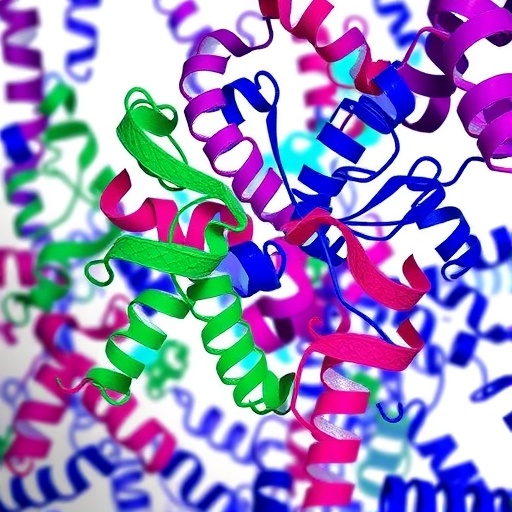
Mono-ubiquitination of histone H2A at lysine 119 (H2AK119Ub) has emerged as a critical post-translational modification with profound implications for chromatin architecture and gene regulation. This modification, predominantly deposited by the Polycomb repressive complex 1 (PRC1), marks approximately 10% of H2A molecules in mammalian cells and serves as a pivotal regulatory signal for maintaining cellular identity and orchestrating developmental gene silencing. Unlike other histone modifications that act primarily as binary switches, H2AK119Ub operates within a finely tuned network balancing “writer,” “eraser,” and “reader” proteins, enabling highly dynamic control over chromatin states.
The enzymatic deposition of H2AK119Ub is primarily performed by PRC1, while its removal is tightly regulated by deubiquitinases such as BAP1 and USP16. This interplay ensures that the ubiquitination levels on chromatin are maintained within precise thresholds, necessary for proper transcriptional repression and genome stability. The balance between these enzymes is critical since aberrant regulation either leads to excessive repression or the loss of gene silencing, both conditions linked to oncogenesis and developmental defects. As such, H2AK119Ub functions as an epigenetic hub, integrating signals that determine chromatin accessibility and transcriptional outcomes.
Central to the functional diversification of H2AK119Ub is its recognition by specialized reader proteins, which decode the ubiquitin mark and translate it into distinct biological responses. One such reader is JARID2, a non-catalytic member of PRC2.2 complex. JARID2 possesses an N-terminal ubiquitin-interacting motif (UIM) that binds H2AK119Ub with exquisite specificity. Structural investigations using cryo-electron microscopy have unveiled how JARID2, together with AEBP2, forms a multivalent interface that stabilizes PRC2 recruitment to ubiquitinated nucleosomes. This targeting is essential for the subsequent establishment of H3K27me3, a hallmark of facultative heterochromatin that underpins X-chromosome inactivation and broader gene silencing programs during embryogenesis.
JARID2’s role extends beyond structural anchoring, functioning as a molecular rheostat that modulates PRC2 activity in a context-dependent manner. Overexpression of JARID2 has been implicated in various malignancies such as lung, colon, and breast cancers, where it enhances PRC2-mediated repression of tumor suppressor genes. Conversely, its loss-of-function mutations are associated with myeloid neoplasms, disrupting PRC2 recruitment and facilitating leukemogenesis. This dualistic role underscores the complexity of epigenetic regulation via H2AK119Ub readers and their impact on tumorigenesis.
Another pivotal reader is DNMT3A1, a DNA methyltransferase isoform that links Polycomb-mediated repression to the establishment of de novo DNA methylation patterns. The unique N-terminal ubiquitin-dependent recruitment (UDR) domain of DNMT3A1 allows high-affinity binding to H2AK119Ub-modified nucleosomes by engaging both the H2A–H2B acidic patch and the ubiquitin moiety. This multivalent interaction situates DNMT3A1 at Polycomb-repressed regions in a catalytically inert state, awaiting additional cues such as H3K36me2/3 recognition via its PWWP domain to activate methylation. This elegant “positioning without firing” mechanism explains why H2AK119Ub-marked domains typically escape DNA hypermethylation under physiological conditions.
However, cancer-associated mutations disrupting the PWWP domain unleash aberrant DNMT3A1 methyltransferase activity at H2AK119Ub-enriched facultative heterochromatin, leading to pathological DNA hypermethylation of Polycomb target genes. Such epigenetic misregulation is a frequent hallmark of oncogenesis and developmental syndromes, highlighting the therapeutic potential of designing inhibitors that block UDR-mediated recruitment of DNMT3A1. Targeting this axis may restore proper methylation landscapes and reverse aberrant gene silencing in diseases driven by epigenetic dysfunction.
RYBP, a defining component of variant PRC1 complexes, performs dual roles as both a reader and amplifier of H2AK119Ub signals. Its NZF domain specifically recognizes ubiquitinated nucleosomes, thereby stabilizing vPRC1 independent of repressive H3K27me3 marks. This property allows RYBP to facilitate de novo establishment and propagation of Polycomb domains through a feedforward “read-write” mechanism. Cryo-EM structures have illustrated how RYBP–PRC1 adopts distinct nucleosome engagement modes, switching between ubiquitin-dependent and ubiquitin-independent interactions to coordinate the spread of H2AK119Ub and enforce transcriptional repression.
The amplification of H2AK119Ub by RYBP-bound PRC1 complexes is essential for robust gene silencing during development, notably in the maintenance of X-chromosome inactivation and repression of lineage-specific genes. Intriguingly, dysregulation of RYBP expression correlates with poor prognostic outcomes in various cancers, suggesting it functions as a tumor suppressor by upholding Polycomb repression. Loss of RYBP disrupts this epigenetic framework, promoting oncogenic transcriptional programs and facilitating tumor progression.
Additional readers such as SSX and RSF1 further illustrate the multifaceted nature of H2AK119Ub signaling. The SS18::SSX fusion oncoprotein, characteristic of synovial sarcoma, hijacks the chromatin remodeling BAF complex to H2AK119Ub-marked loci, upsetting the balance between Polycomb repression and BAF-mediated gene activation. RSF1 binds through a ubiquitin-associated domain to ubiquitinated nucleosomes and facilitates displacement of PRC1, thereby activating transcription at select sites. Notably, amplification of RSF1 in ovarian and breast cancers is linked to genome instability, demonstrating that H2AK119Ub can mediate opposing regulatory outcomes depending on the reader engaged.
The pathological relevance of H2AK119Ub extends to inherited disorders and cancer predisposition syndromes. Germline mutations in the deubiquitinase BAP1 define familial syndromes associated with high risks of uveal melanoma and mesothelioma. In mouse models of Down syndrome, overexpression of USP16 perturbs hematopoietic stem cell function and neural progenitor expansion via excessive removal of H2AK119Ub, whereas USP16 deficiency leads to mark accumulation and defective lineage commitment. These findings implicate precise regulation of H2AK119Ub in stem cell biology and differentiation, with broad implications for disease.
Together, these insights solidify H2AK119Ub as a master epigenetic regulator whose interpretation by diverse reader proteins governs gene expression, genome stability, and cell fate decisions. By integrating structural biology, biochemical assays, and disease models, researchers are unraveling the complex “read-write-erase” circuitry centered on this histone mark. Such understanding not only advances fundamental biology but also informs the development of targeted therapeutic strategies that modulate epigenetic readers and enzymes involved in H2AK119Ub signaling.
As future studies continue to elucidate the structural nuances and dynamic regulation of H2AK119Ub interactions, novel interventions aimed at reprogramming aberrant chromatin states in cancer and developmental diseases will be increasingly feasible. The multifaceted roles of this single ubiquitination event epitomize the intricate interplay between chromatin modification and cellular identity, underscoring its significance as both a biomarker and therapeutic target in precision medicine.
News Publication Date: 14-Mar-2026
Web References:
– http://dx.doi.org/10.1007/s11684-026-1209-z
Cite Scienmag News
Juliet Wilcox. (May 20, 2026). Unraveling the Multifaceted Role of H2AK119 Mono-Ubiquitination in Biology and Disease. Scienmag. https://scienmag.com/unraveling-the-multifaceted-role-of-h2ak119-mono-ubiquitination-in-biology-and-disease/
Juliet Wilcox. "Unraveling the Multifaceted Role of H2AK119 Mono-Ubiquitination in Biology and Disease." Scienmag, 20 May 2026, https://scienmag.com/unraveling-the-multifaceted-role-of-h2ak119-mono-ubiquitination-in-biology-and-disease/. Accessed 4 September 2026.
Juliet Wilcox. "Unraveling the Multifaceted Role of H2AK119 Mono-Ubiquitination in Biology and Disease." Scienmag. May 20, 2026. https://scienmag.com/unraveling-the-multifaceted-role-of-h2ak119-mono-ubiquitination-in-biology-and-disease/


