


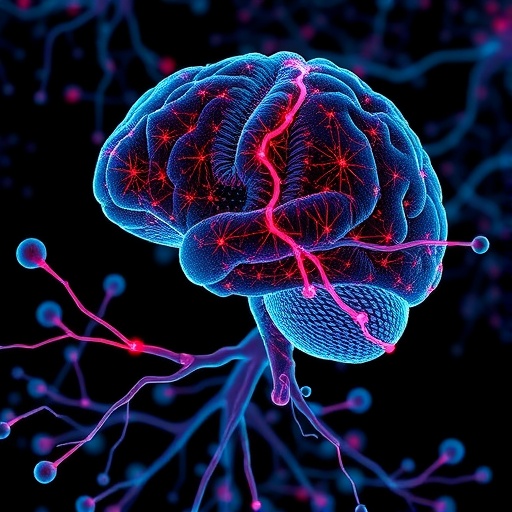
Neurodegenerative diseases (NDs) such as Alzheimer’s disease, Parkinson’s disease, amyotrophic lateral sclerosis, and multiple sclerosis have emerged as critical public health challenges in the 21st century, especially in the context of increasingly aging populations worldwide. Historically, research has largely centered on aberrant neuronal processes, including protein misfolding, synaptic failures, and oxidative stress-induced cellular damage. However, a transformative wave of research now spotlights the gut-brain-immune triad as a pivotal axis influencing neurodegeneration’s onset and progression. This integrative perspective not only deepens our mechanistic understanding but also illuminates novel therapeutic avenues that transcend neuron-centric paradigms.
The human gut microbiota, often hailed as a “second brain,” constitutes a dense ecosystem of trillions of microorganisms that communicate with the central nervous system (CNS) through complex neural, immune, endocrine, and metabolic networks. Emerging data delineate how dysbiosis—an imbalance in microbial composition—exerts profound effects on neuroinflammation, blood-brain barrier (BBB) integrity, and immune homeostasis. Crucially, microbial metabolites such as short-chain fatty acids (SCFAs), lipopolysaccharides (LPS), and bacterial amyloids serve as biochemical mediators orchestrating these multifaceted interactions. These molecular messengers govern not only peripheral immune responses but also synaptic plasticity and neuronal survival, underscoring the gut microbiome’s neuroregulatory capacity.
Communication between the gut and brain involves several intertwined signaling pathways. The vagus nerve and the enteric nervous system transmit rapid neuronal signals, enabling bidirectional dialogue. Endocrine modulators including glucagon-like peptide-1 (GLP-1) and ghrelin influence appetite, energy homeostasis, and neural function, linking metabolic status to brain health. Immune mechanisms, particularly cytokine signaling and immune cell trafficking, play instrumental roles in modulating inflammatory states within the CNS. Meanwhile, microbial metabolites, including SCFAs and tryptophan derivatives, regulate epigenetic and metabolic pathways pivotal for maintaining neuronal integrity. The cumulative effect of these channels is a dynamic system whose dysregulation manifests as chronic neuroinflammation and synaptic dysfunction, hallmarks of many neurodegenerative conditions.
In Alzheimer’s disease (AD), gut dysbiosis fosters pathological cascades by promoting amyloid-β aggregation and tau hyperphosphorylation. Elevated levels of bacterial lipopolysaccharides in systemic circulation provoke microglial activation and neuroinflammation, thereby exacerbating neuronal damage. Concurrently, decreased SCFA production impairs BBB permeability and diminishes anti-inflammatory signaling, creating a permissive environment for disease progression. Parkinson’s disease (PD), too, exhibits unique gut-related pathology; studies reveal that misfolded α-synuclein aggregates emerge initially within the enteric nervous system, propagating retrogradely to the CNS via the vagus nerve. This propagation is closely linked to SCFA depletion and resultant immune activation, painting a picture of PD as a disorder intricately connected to gut microbial dynamics.
Amyotrophic lateral sclerosis (ALS) presents another compelling example wherein shifts in the Firmicutes/Bacteroidetes ratio and diminished butyrate-producing bacteria correlate with intensified neuroinflammatory signatures and motor neuron degeneration. Butyrate, a key SCFA, serves as an essential energy source for colonic epithelial cells and exerts epigenetic modulation influencing immune tolerance and neuronal survival. Conversely, multiple sclerosis (MS) is characterized by gut dysbiosis-induced immune imbalance, particularly the skewing of T helper 17 (Th17) cells and regulatory T cells (Treg), which is believed to facilitate molecular mimicry and autoimmune demyelination. These disease-specific microbiome alterations suggest personalized microbial interventions could recalibrate immune responses to mitigate disease severity.
Neuroinflammation emerges as a convergent mechanism linking diverse neurodegenerative pathologies to gut-derived cues. Microbial metabolites modulate microglial phenotype, while immune cell infiltration across the compromised BBB amplifies cytokine-mediated toxicity. Moreover, recent advances illuminate how epigenetic modifications, including microRNA regulation, sustain maladaptive inflammatory cycles, perpetuating synaptic loss and neuronal death. These findings reinforce the centrality of inflammation-driven neurodegeneration and advocate for therapeutic strategies targeting microbial-host immune axis.
Despite these promising insights, significant challenges impede the seamless translation of gut-brain-immune research into clinical practice. Distinguishing causality from associative correlations remains elusive, compounded by substantial interindividual variability in microbiome composition. Methodological inconsistencies in sampling, sequencing, and data interpretation further confound reproducibility. The predominance of cross-sectional and preclinical studies limits longitudinal insight, while the presence of bidirectional feedback loops complicates the identification of unidirectional therapeutic targets. Addressing these hurdles demands rigorous standardization protocols and integrative, longitudinal human studies.
This review’s significance lies in its comprehensive synthesis of multidimensional data, incorporating underexplored elements such as epigenetic regulation beyond micro glial activation, the roles of non-GLP-1 gut hormones, and nuanced bidirectional gut-brain communication. Such a multidisciplinary lens is critical to unraveling the intricate molecular networks underpinning neurodegeneration. Importantly, it underscores the promise of personalized, mechanism-based interventions harnessing probiotics, postbiotics, and dietary modulation—strategies that hold potential to attenuate disease burden substantially.
Future research must prioritize the development of sophisticated brain-gut organoid models to experimentally dissect cellular crosstalk with unparalleled resolution. Furthermore, longitudinal multi-omics integration—encompassing metagenomics, metabolomics, transcriptomics, and epigenomics—will be essential to capture the dynamic interplay driving ND pathogenesis. Parallel efforts are warranted to explore vagal modulation and epigenetic therapeutics that may recalibrate dysfunctional gut-brain signaling. Clinical trials deploying tailored microbial interventions, coupled with diet and lifestyle modifications, promise transformative advances in preventative and therapeutic paradigms.
In conclusion, the gut-brain-immune triad represents a pivotal but historically underappreciated axis in understanding and combating neurodegenerative diseases. Microbial metabolites, especially short-chain fatty acids, emerge as master regulators modulating neuroinflammation and BBB integrity. However, realizing the translational potential of microbiome-based approaches necessitates comprehensive, longitudinal studies and innovative personalized strategies. Ultimately, embracing a systems-level understanding of this triad offers an unprecedented opportunity to revolutionize neurodegenerative disease prevention, diagnosis, and treatment in the coming decades.
Cite Scienmag News
Cassandra Pierce. (October 28, 2025). Unraveling Neurodegeneration: The Gut-Brain-Immune Connection Explored. Scienmag. https://scienmag.com/unraveling-neurodegeneration-the-gut-brain-immune-connection-explored/
Cassandra Pierce. "Unraveling Neurodegeneration: The Gut-Brain-Immune Connection Explored." Scienmag, 28 October 2025, https://scienmag.com/unraveling-neurodegeneration-the-gut-brain-immune-connection-explored/. Accessed 4 September 2026.
Cassandra Pierce. "Unraveling Neurodegeneration: The Gut-Brain-Immune Connection Explored." Scienmag. October 28, 2025. https://scienmag.com/unraveling-neurodegeneration-the-gut-brain-immune-connection-explored/


