


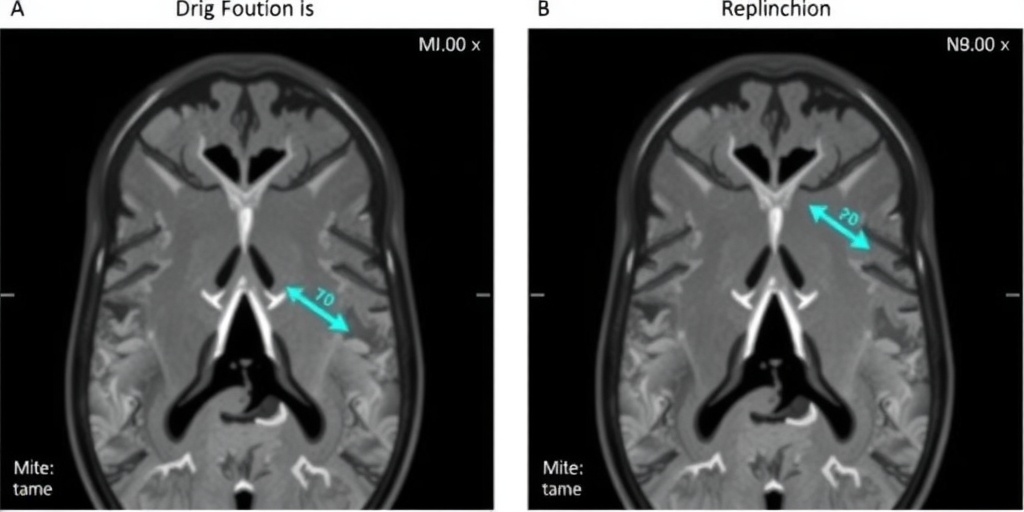
University of New Mexico researchers have recently unveiled alarming new findings regarding gadolinium, a rare earth metal commonly used as a contrast agent in magnetic resonance imaging (MRI) scans. The team’s investigation, spearheaded by Dr. Brent Wagner, a professor in the Department of Internal Medicine, points to an intricate relationship between gadolinium and oxalic acid—an organic compound prevalent in various fruits and vegetables. The implications of this study could potentially reshape the understanding of health risks associated with gadolinium and lead to vital changes in clinical practices surrounding MRI procedures.
Gadolinium-based contrast agents are essential in enhancing the clarity of MRI images. They allow medical professionals to visualize the anatomy and function of organs in unparalleled detail. Gadolinium is designed to be tightly bound to other molecules, ensuring its safe excretion after administration. Most patients undergo these procedures without complications; however, the developing evidence of gadolinium accumulation in the body raises critical questions about long-term effects and safety.
According to the findings published in the prestigious journal "Magnetic Resonance Imaging," the interaction between oxalic acid and gadolinium could be the catalyst for nanoparticle formation within human body tissues. Importantly, Dr. Wagner warns that these particles are not benign. Their presence in tissues has been correlated with severe health conditions—including nephrogenic systemic fibrosis (NSF), a debilitating disorder leading to thickening of skin and internal organs, and in some cases, even death following a single MRI dosage.
Dr. Wagner highlights that while the majority of MRI patients might exhibit no noticeable side effects, roughly half the cases of NSF occur in individuals who received just one contrast dose. This statistic raises concerns about what predisposes specific patients to adverse reactions compared to others who endure the same treatment without issue. The results underscore an urgent need for researchers to unravel these perplexing patterns of response to gadolinium.
The research team’s exploration into oxalic acid is groundbreaking due to the acid’s inherent composition in various dietary sources like spinach, rhubarb, nuts, and even chocolate. This ubiquitous molecule binds with various metal ions, creating a pathway for gadolinium to precipitate. Previous studies have illustrated the formation of calcium oxalate crystals leading to kidney stones; however, this study introduces a new dimension by showcasing how oxalic acid could play a pivotal role in triggering the release of gadolinium nanoparticles from their molecular bonds.
Wagner’s hypothesis proposes that each individual’s unique metabolic environment might dictate whether they produce gadolinium nanoparticles. For some, this metabolic milieu may create conditions favoring oxalic acid’s reaction with gadolinium, resulting in nanoparticle formations that prompt physiological distress. The difference in individual responses could stem from factors such as genetic predispositions, existing health conditions, and even dietary patterns.
The implications of these findings could be profound. If the phenomenon of gadolinium nanoparticle formation due to oxalic acid is confirmed in further studies, it could illuminate preventive strategies for patients at risk. For instance, Dr. Wagner advises against taking vitamin C prior to MRI scans due to its reactive nature with gadolinium. This type of insight could inform new clinical guidelines and improve patient safety during MRI procedures.
In their quest to gather more robust data, Dr. Wagner and his colleagues are establishing an international patient registry. This initiative will involve collecting comprehensive biological samples—including blood, urine, fingernail, and hair—aimed at charting the accumulation of gadolinium in varying populations. The study seeks to identify specific phenotypic and environmental risk factors contributing to symptomatic versus asymptomatic reactions to gadolinium contrast agents.
The potential for further understanding through this patient registry is immense. Researchers aim to correlate medical histories, existing health conditions, and medication use, including dietary supplements. Such multifactorial approaches are likely critical in explaining why some patients present with severe symptoms while others seem unaffected by the same exposure.
As the researchers press forward, their ultimate goal remains clear: to provide clarity and assurance regarding MRI safety. The heightened awareness surrounding gadolinium toxicity will not only prepare healthcare professionals to better assess risks but may also catalyze advancements in MRI technology and contrast agent formulations.
The current study underscores a pivotal crossroads in medical research. The potential link between everyday dietary antioxidants and the toxic ramifications of medical imaging underscores the importance of continuing research and awareness. Serving as a poignant reminder of the complex interactions within human biology, it emphasizes that even foods we consider healthy could inadvertently contribute to health risks.
In conclusion, the research from the University of New Mexico brings to light previously unrecognized risks linked to gadolinium-based contrast agents. As scientists aim to further investigate this critical area, the hope remains that such insights can foster a safer and more effective approach to utilizing MRIs in modern medical practice.
Cite Scienmag News
Ophelia Keating. (April 4, 2025). UNM Researchers Uncover Mechanism of Toxic Metal Nanoparticles from MRI Scans Penetrating Human Tissue. Scienmag. https://scienmag.com/unm-researchers-uncover-mechanism-of-toxic-metal-nanoparticles-from-mri-scans-penetrating-human-tissue/
Ophelia Keating. "UNM Researchers Uncover Mechanism of Toxic Metal Nanoparticles from MRI Scans Penetrating Human Tissue." Scienmag, 4 April 2025, https://scienmag.com/unm-researchers-uncover-mechanism-of-toxic-metal-nanoparticles-from-mri-scans-penetrating-human-tissue/. Accessed 5 September 2026.
Ophelia Keating. "UNM Researchers Uncover Mechanism of Toxic Metal Nanoparticles from MRI Scans Penetrating Human Tissue." Scienmag. April 4, 2025. https://scienmag.com/unm-researchers-uncover-mechanism-of-toxic-metal-nanoparticles-from-mri-scans-penetrating-human-tissue/


