


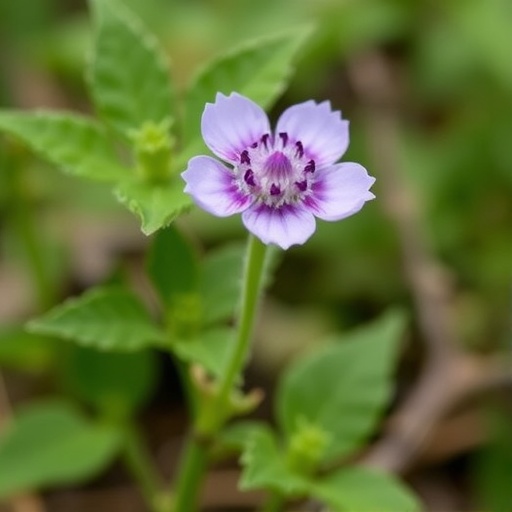
In recent botanical research, a significant study conducted by Zhang et al. has illuminated the complex hybridization dynamics between two species of the Lycium genus: Lycium qingshuiheense and Lycium ningxiaense. This investigation places emphasis on the integration of various scientific methodologies, particularly morphological analysis, SSR (Simple Sequence Repeat) markers, and insightful chloroplast genomic data. The intricate findings of this research contribute to our understanding of plant hybridization processes and their implications for biodiversity and conservation.
The study begins by establishing the context of hybridization in the plant kingdom, particularly within the Solanaceae family, to which both Lycium species belong. Hybridization events can lead to increased genetic variability, creating opportunities for adaptation in rapidly changing environments. By examining Lycium species that demonstrate differing geographical ranges and ecological preferences, the researchers aim to unveil how hybridization can manifest in morphological and genetic forms, enhancing our understanding of plant evolution.
The researchers conducted an in-depth morphological assessment of both Lycium qingshuiheense and Lycium ningxiaense. Focusing on leaf shape, flower structure, and fruit characteristics, the team meticulously documented the distinct features that define each species. Morphological differentiation is a critical parameter in identifying plant hybrids, yet it is often subject to influence by environmental factors. Thus, the study seeks to provide clarity on how hybridization can blur the lines of traditional species classification.
Moreover, the application of SSR markers represents a groundbreaking advancement in the study of plant genetics. SSRs are highly polymorphic and can reveal a wealth of information regarding genetic diversity within and between species. By developing a comprehensive SSR profile for both Lycium species, the researchers succeeded in elucidating the genetic connection between them, presenting evidence that strong hybridization occurs under certain ecological conditions. This genetic mapping not only identifies hybrid specimens but also enhances our overall understanding of Lycium’s phylogenetic relationships.
In addition to morphological and genetic analyses, the study leverages chloroplast genomic data as a pivotal component of their research. Chloroplasts, responsible for photosynthesis and energy production in plants, harbor a wealth of genetic information that can illustrate the evolutionary history of a species. By sequencing the chloroplast genomes of the two Lycium species, the researchers traced lineage differentiation and hybridization events over time, shedding light on the historical processes that lead to modern genetic outcomes within this plant lineage.
The hybridization between Lycium qingshuiheense and Lycium ningxiaense reveals broader implications for plant ecology and conservation. The evolutionary flexibility afforded by hybridization allows these species to adapt to new habitats, potentially leading to greater survival rates in fluctuating climates. However, hybridization can also threaten ecosystem integrity if invasive hybrid species filter into native habitats, displacing established flora. Understanding these dynamics is critical for conservationists working to preserve plant diversity and resilience in a rapidly changing world.
The study’s findings have prompted discussions about plant evolutionary strategies, emphasizing the role of hybridization as both an opportunity for adaptation and a potential risk for ecological balance. Furthermore, the heightened awareness regarding genetic diversity could inform conservation strategies that prioritize genetic health in endangered plant species. The delicate balance between promoting hybrid vigor and maintaining distinct species must be navigated carefully, especially in areas with vulnerable ecosystems.
Moreover, the implications of this research extend beyond academic circles. The methodologies developed in this study, particularly the use of SSR markers and chloroplast genomic data, may serve as models for future plant genetic studies, fostering a more profound understanding of hybridization across various botanical disciplines. This approach might inspire a new wave of research focusing on other plant species that display similar hybridization dynamics, enriching the scientific dialogue surrounding plant evolution.
In conclusion, the research conducted by Zhang et al. on the hybridization of Lycium qingshuiheense and Lycium ningxiaense contributes significantly to our understanding of plant genetics and ecology. By intertwining morphological studies with sophisticated genetic analyses, the team has successfully navigated the complexities of hybridization and its effects on species formation. As scientific inquiries like this continue to evolve, they pave the way for innovative conservation strategies and a deeper appreciation for plant biodiversity.
This intriguing exploration of hybridization in the Lycium genus ultimately underlines the urgent need for increased awareness and action in conservation efforts. With global biodiversity facing unprecedented pressures from climate change and habitat destruction, understanding the mechanisms behind hybridization is more crucial than ever. Efforts to monitor and protect these species can significantly impact not only their survival but also the health of their ecosystems as a whole.
The research opens new avenues for both theoretical exploration and practical applications in the fields of botany and conservation biology. As similar studies emerge, a more coherent picture of how hybridization shapes the natural world will undoubtedly contribute to our broader understanding of plant evolution and the resilience of life itself.
Zhang, L., Zhang, C., Zhang, E. et al. Hybridization of Lycium qingshuiheense and L. ningxiaense revealed using morphological, SSR markers, and chloroplast genomic data.
BMC Genomics 26, 965 (2025). https://doi.org/10.1186/s12864-025-12150-3
Cite Scienmag News
Juliet Wilcox. (October 28, 2025). Uncovering Hybridization in Lycium Species via Genomics. Scienmag. https://scienmag.com/uncovering-hybridization-in-lycium-species-via-genomics/
Juliet Wilcox. "Uncovering Hybridization in Lycium Species via Genomics." Scienmag, 28 October 2025, https://scienmag.com/uncovering-hybridization-in-lycium-species-via-genomics/. Accessed 3 September 2026.
Juliet Wilcox. "Uncovering Hybridization in Lycium Species via Genomics." Scienmag. October 28, 2025. https://scienmag.com/uncovering-hybridization-in-lycium-species-via-genomics/


