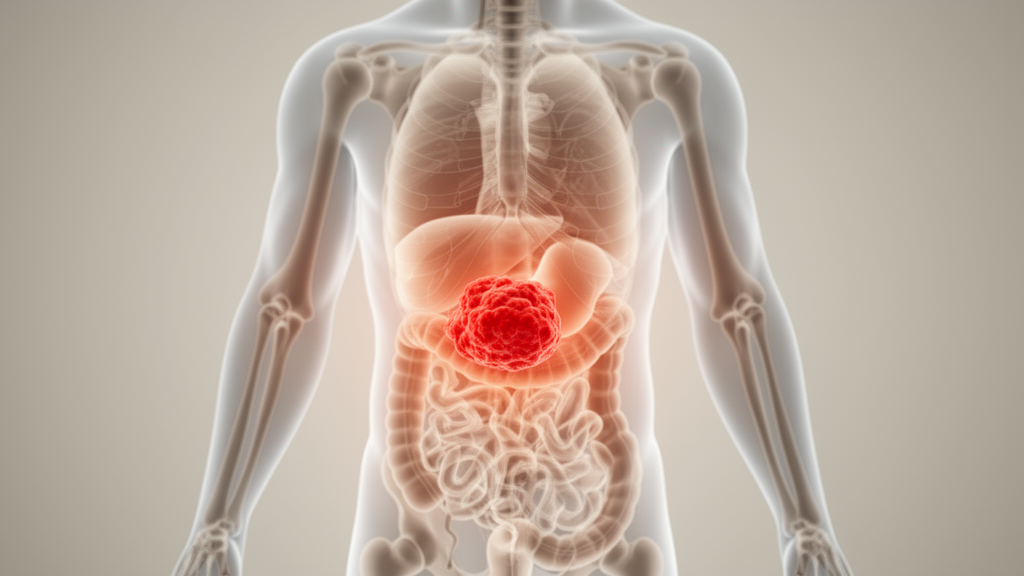
Leiomyosarcoma, an aggressive cancer of smooth muscle cells, behaves differently depending on where it arises in the body, and those differences translate into markedly different survival outcomes, according to new research from the University of Edinburgh published in the Journal of the National Cancer Institute. Leiomyosarcoma develops in the involuntary muscles that line the walls of hollow organs such as the stomach, intestines, uterus and blood vessels, and it is the most common type of soft tissue sarcoma, a family of cancers that begins in tissues including muscle, fat and blood vessels. Despite its relative frequency among sarcomas, the disease has limited treatment options and poor outcomes for many patients, making any clinically meaningful refinement of risk assessment an important step forward.
The Edinburgh team analysed 11,700 patient cases, which the researchers describe as the most comprehensive assessment to date of survival across leiomyosarcomas arising at different anatomical locations. Their analysis found major differences in patient outcomes between tumour sites. Cancers of the uterus, urinary tract and trunk had the poorest survival rates, whereas tumours of the limbs, head and neck, and male reproductive tract were associated with better survival. Importantly, the experts note, tumour location appears to provide clinically meaningful information on disease risk beyond what is captured by cancer stage and grade, the conventional measures clinicians currently rely on when evaluating prognosis.
The study went beyond survival statistics to probe the underlying biology of tumours at different sites, and it identified biological distinctions that parallel the clinical differences. For example, uterine tumours were more likely to carry a specific genetic mutation compared with tumours found elsewhere in the body. This evidence that leiomyosarcomas at different anatomical sites are biologically distinct could support the development of more personalised approaches to treatment and management, the researchers say, rather than the simple grouping of the disease as uterine or non-uterine that has characterised much of the field to date.
The analysis also uncovered significant socioeconomic disparities in outcomes. Black patients, individuals from lower-income households, and widowed individuals experienced significantly poorer survival, a finding the team says highlights the important contribution of socioeconomic factors to survival differences in this rare cancer. Because leiomyosarcoma can develop throughout the body but has often been studied in coarse categories, the researchers argue that these combined findings on location, biology and social determinants give a far more detailed picture of how the disease behaves across patient populations.
The implications extend to how new therapies are tested. Clinical trials of leiomyosarcoma are often performed without accounting for where the cancer arises in the body, and the findings suggest it may be important to account for tumour location when analysing studies of new treatments. Dr Robb Hollis, study lead from the University of Edinburgh’s Institute of Genetics and Cancer, said: “This study provides us with important knowledge about how leiomyosarcoma behaves differently depending on where it occurs in the body, both in terms of patient survival and the underlying biology of the disease. This information is critical for designing and interpreting future studies that seek to identify new treatment options for leiomyosarcoma patients.”
Dr Catherine Elliott, Cancer Research UK’s Director of Research, said: “This study shows why our investment into rare cancers is key. It highlights how research can uncover critical differences between tumours which is vital for developing more effective, personalised treatments for patients.” The study was led by researchers funded by Cancer Research UK and Sarcoma UK, and the research team also included scientists from the Edinburgh Cancer Centre, Beatson West of Scotland Cancer Centre, and the University of Glasgow. Taken together, the results indicate that tumour location could serve as a clinically meaningful risk marker for leiomyosarcoma patients, and that recognising the biological distinctness of tumours at different sites may be essential both for interpreting survival data and for designing the next generation of trials for this rare and difficult-to-treat cancer.
Subject of Research: How anatomical tumour site influences survival and biology in leiomyosarcoma
Article Title: Location of rare cancer impacts survival, study suggests
Article References: Location of rare cancer impacts survival, study suggests. Original publication (Bibliographic details unavailable.)
Image Credits: AI Generated
DOI: Not provided
Keywords: leiomyosarcoma, soft tissue sarcoma, tumour location, cancer survival, uterine cancer, health disparities, tumour biology, clinical trials, personalised medicine, University of Edinburgh, Journal of the National Cancer Institute, rare cancers
Cite Scienmag News
Nathaniel Bowman. (October 27, 2026). Tumour location shapes survival in rare leiomyosarcoma, study of 11,700 patients finds. Scienmag. https://scienmag.com/tumour-location-shapes-survival-in-rare-leiomyosarcoma-study-of-11700-patients-finds/
Nathaniel Bowman. "Tumour location shapes survival in rare leiomyosarcoma, study of 11,700 patients finds." Scienmag, 27 October 2026, https://scienmag.com/tumour-location-shapes-survival-in-rare-leiomyosarcoma-study-of-11700-patients-finds/. Accessed 28 October 2026.
Nathaniel Bowman. "Tumour location shapes survival in rare leiomyosarcoma, study of 11,700 patients finds." Scienmag. October 27, 2026. https://scienmag.com/tumour-location-shapes-survival-in-rare-leiomyosarcoma-study-of-11700-patients-finds/