


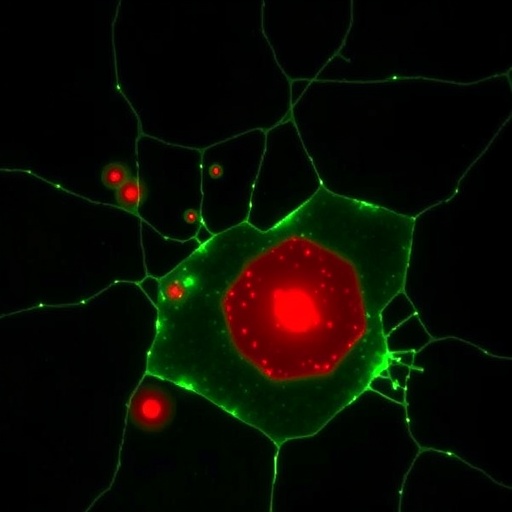
In a groundbreaking new study published in Nature Communications, researchers have unraveled a previously unknown molecular mechanism exploited by Mycobacterium tuberculosis (Mtb) to sustain its persistent infection within human hosts. The investigation reveals how Mtb orchestrates the interaction between isocitrate dehydrogenase (IDH) and peroxisome proliferator-activated receptor gamma (PPARγ), subsequently suppressing the antioxidant enzyme glutathione peroxidase 4 (GPX4). This suppression triggers ferroptosis—a regulated form of iron-dependent cell death—in macrophages, facilitating bacterial survival and chronic infection. This insight into Mtb’s manipulation of host cell death pathways opens new avenues for therapeutic interventions targeting persistent tuberculosis (TB).
Tuberculosis remains a major global health challenge, with millions affected worldwide and a high mortality rate despite available antibiotics. A critical obstacle hindering eradication is the pathogen’s ability to evade immune defenses and establish long-lasting infections within macrophages—the immune system’s frontline phagocytes. While macrophages typically kill engulfed pathogens via oxidative stress and autophagy, Mtb has evolved strategies to manipulate their cellular signaling and death modalities. Deciphering the precise molecular events surrounding Mtb-induced macrophage death has been a focal point for researchers seeking to disrupt bacterial persistence.
The newly discovered IDH-PPARγ axis represents a sophisticated bacterial subversion mechanism. IDH, a metabolic enzyme within the tricarboxylic acid cycle, has now been implicated in a non-canonical role where it physically interacts with the nuclear receptor PPARγ. The research team demonstrated that this interaction leads to transcriptional repression of GPX4. GPX4 is integral to protecting cells from lipid peroxidation, a hallmark of ferroptosis. By dampening GPX4 expression, Mtb effectively primes macrophages to undergo ferroptosis, a form of cell death characterized by iron accumulation and reactive oxygen species (ROS)-mediated lipid damage.
Experiments utilizing advanced molecular biology techniques, including co-immunoprecipitation assays and chromatin immunoprecipitation sequencing (ChIP-seq), unequivocally showed that IDH interacts directly with PPARγ within infected macrophages. This interaction stabilizes PPARγ’s binding to the GPX4 promoter, suppressing its transcriptional activity. Loss of GPX4 renders the macrophages susceptible to ferroptotic death, which distinctively benefits Mtb by dismantling critical host defenses while releasing nutrients that favor bacterial replication.
Ferroptosis, though a relatively newly recognized cell death pathway, has garnered significant attention due to its role in infectious diseases and cancer. Unlike apoptosis or necrosis, ferroptosis is uniquely driven by lethal lipid peroxidation in the presence of redox-active iron. In the context of Mtb infection, the induction of ferroptosis within macrophages seems to be a double-edged sword—while it leads to host cell death, it paradoxically supports pathogen persistence and dissemination by compromising immune integrity.
The study also detailed how pharmacological inhibition or genetic knockdown of either IDH or PPARγ restored GPX4 expression and conferred resistance to ferroptosis in macrophages. These findings suggest that targeting the IDH-PPARγ-GPX4 signaling axis offers a promising therapeutic strategy to bolster macrophage survival and enhance bacterial clearance. Moreover, ferroptosis inhibitors like ferrostatin-1 showed potential in reducing Mtb burdens in infected murine models, underscoring the translational impact of the data.
Beyond the molecular discoveries, this research refines our understanding of host-pathogen interactions in TB at the metabolic and epigenetic levels. It highlights the versatility of Mtb in reprogramming host cellular machinery far beyond simple immune evasion. IDH’s role extends from mitochondrial metabolism to nuclear transcriptional regulation, illustrating the pathogen’s capacity to hijack multifaceted cellular networks for its own advantage.
In addition to in vitro cell culture systems, the authors validated their findings in vivo using infected mouse models. Here, the pathogenic IDH-PPARγ mediated ferroptotic signature correlated strongly with bacterial load and disease severity. Restoration of GPX4 levels in these models not only diminished ferroptosis but also improved overall host survival, signaling the clinical relevance of this axis in TB progression.
The implications of this work are vast and also prompt a reevaluation of how other intracellular pathogens may induce ferroptosis in immune cells to promote chronic infections. It raises intriguing possibilities that ferroptotic modulation could be a common virulence strategy, potentially applicable to diseases beyond TB.
Furthermore, the extensive signaling cascades prompted by IDH-PPARγ interaction may influence other nuclear receptors and transcription factors, expanding the scope of bacterial-host crosstalk. Understanding these broader regulatory networks could identify supplementary druggable targets that disrupt the pathogen’s intricate manipulation of host defenses.
As the global community strives toward TB eradication, advances like this provide critical new molecular targets to combat persistent infection—one of the main reasons for TB drug resistance and treatment failure. By maintaining macrophage viability and function, therapeutic interventions based on these findings might significantly enhance current antimicrobial regimens.
The study’s multidisciplinary approach—blending microbiology, immunology, metabolism, and molecular biology—exemplifies the innovative research needed to tackle complex infectious diseases. Future directions include detailed mapping of the structural features mediating IDH-PPARγ binding and identifying small molecules or peptides capable of disrupting this interaction without compromising host metabolism.
In conclusion, this landmark investigation delivers a paradigm-shifting perspective on Mtb pathogenesis, revealing the strategic exploitation of the IDH-PPARγ axis to induce macrophage ferroptosis by suppression of GPX4. The insights gained not only deepen fundamental understanding of TB but also pave the way for innovative therapies aimed at controlling chronic infection by preserving immune cell integrity.
As tuberculosis continues to exact a heavy toll on human health worldwide, the elucidation of this ferroptotic pathway represents a beacon of hope, potentially changing the landscape of TB treatment and ushering in a new era of host-directed therapies designed to empower the immune system against this formidable pathogen.
Cite Scienmag News
Kristina Jarvis. (June 8, 2026). Tuberculosis Exploits IDH-PPARγ to Trigger Macrophage Ferroptosis. Scienmag. https://scienmag.com/tuberculosis-exploits-idh-ppar%ce%b3-to-trigger-macrophage-ferroptosis/
Kristina Jarvis. "Tuberculosis Exploits IDH-PPARγ to Trigger Macrophage Ferroptosis." Scienmag, 8 June 2026, https://scienmag.com/tuberculosis-exploits-idh-ppar%ce%b3-to-trigger-macrophage-ferroptosis/. Accessed 4 September 2026.
Kristina Jarvis. "Tuberculosis Exploits IDH-PPARγ to Trigger Macrophage Ferroptosis." Scienmag. June 8, 2026. https://scienmag.com/tuberculosis-exploits-idh-ppar%ce%b3-to-trigger-macrophage-ferroptosis/


