


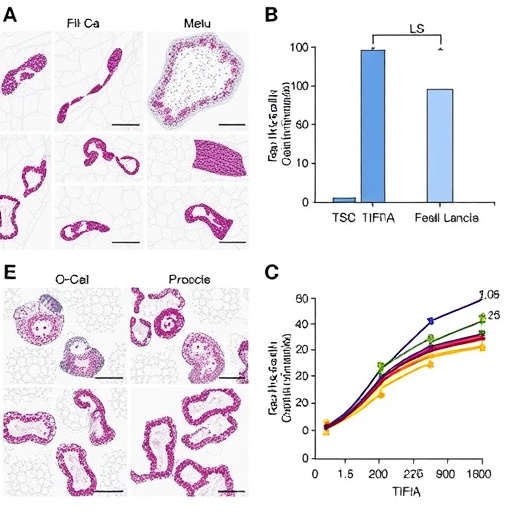
Regulatory T cells, commonly known as Treg cells, are the immune system’s essential peacekeepers. They suppress excessive immune reactions, limit tissue damage and help preserve the tolerance that prevents the body from attacking its own cells. A new study published in Nature Immunology identifies transcriptional intermediary factor 1-gamma, or TIF1γ, as a crucial molecular safeguard that helps these cells retain their identity during inflammation. When TIF1γ is absent, Treg cells can lose expression of the defining transcription factor Foxp3 and acquire characteristics associated with inflammatory immune cells. The findings reveal a previously unrecognized mechanism controlling Treg stability and point to the β-catenin pathway as a potential target for restoring immune regulation.
Treg cells must perform a difficult balancing act. They need to remain suppressive even when exposed to powerful inflammatory signals, yet they must also adapt to the tissues and immune challenges surrounding them. Foxp3 sits at the center of this regulatory program. It controls a network of genes that gives Treg cells their suppressive properties and distinguishes them from conventional T cells. If Foxp3 expression declines, Treg cells may become unstable and enter so-called ex-Treg states, in which they retain traces of their original identity while acquiring the behavior of effector T cells. Such reprogramming can be particularly harmful in autoimmune disease, where inflammatory cells can intensify tissue injury.
TIF1γ, also known as TRIM33, has previously attracted attention for its involvement in noncanonical transforming growth factor beta, or TGFβ, signaling in hematopoietic stem cells. TGFβ is a major regulator of immune-cell development and function, and its conventional signaling route often involves Smad proteins that transmit signals from the cell surface to the nucleus. The new research examined whether TIF1γ also contributes to the maintenance of mature Treg cells. Using Treg cells lacking TIF1γ, the investigators found that the protein is not simply associated with Treg biology; it is required to protect the cells from losing their regulatory identity when inflammation puts them under stress.
The effect was cell intrinsic, meaning that the instability originated within the TIF1γ-deficient Treg cells themselves rather than being caused solely by changes in neighboring immune cells. Following inflammatory challenge, these cells reduced Foxp3 expression and began to display effector features. In autoimmune settings, TIF1γ-deficient Treg cells adopted programs resembling type 1 helper T cells, a group associated with strong inflammatory responses, or entered pro-inflammatory ex-Treg states. During helminth infection, where type 2 immune responses are prominent, the same genetically altered Treg cells developed type 2 helper T cell-like characteristics. This context-dependent behavior suggests that TIF1γ normally acts as a stabilizing barrier, preventing Treg cells from being redirected by the particular immune environment they encounter.
The researchers also found broad molecular evidence that the altered cells were no longer operating under a restrained regulatory program. Their gene-expression patterns were enriched for pathways linked to proliferation, T cell activation and helper T cell differentiation. These changes were accompanied by increased chromatin accessibility at regulatory DNA regions. Chromatin accessibility reflects how easily gene-control elements can be reached by transcription factors, the proteins that activate or repress gene expression. In the TIF1γ-deficient cells, newly accessible regions were enriched for binding sites associated with factors that control T cell activation and lineage specification. This pattern indicates that the loss of TIF1γ does not affect a single gene in isolation; it appears to loosen the epigenetic constraints that keep Treg cells within their specialized identity.
At first, the results might have suggested a failure of TGFβ signaling, given TIF1γ’s known connection to that pathway. However, the study indicates that Treg instability was largely independent of TGFβ signaling. Instead, the central driver was activation of the β-catenin pathway. β-catenin is a multifunctional protein that can influence cell adhesion, gene transcription and developmental decisions. In the canonical Wnt signaling pathway, β-catenin accumulation allows it to enter the nucleus, where it partners with transcription factors of the T cell factor family and changes the expression of target genes. The researchers observed that TIF1γ-deficient Treg cells accumulated β-catenin and showed increased activity of TCF7, a transcription factor that can help shape T cell state and differentiation.
The findings position TIF1γ as a molecular restraint on β-catenin–TCF7 signaling in Treg cells. Under normal conditions, this restraint may prevent excessive activation of gene programs associated with proliferation and effector differentiation. Without TIF1γ, β-catenin builds up, TCF7 activity rises and the chromatin landscape becomes more permissive to alternative T cell identities. Foxp3 expression then becomes vulnerable, allowing Treg cells to move toward inflammatory states. This mechanism helps explain how a cell type designed to suppress immune activation can, under certain conditions, become part of the inflammatory circuit it is supposed to control.
Importantly, the study did not stop at identifying the pathway. Genetic or pharmacological targeting of β-catenin restored the stability and function of TIF1γ-deficient Treg cells. These experiments provide functional evidence that β-catenin is not merely a molecular marker of instability but a driver of the process. By reducing β-catenin activity, the researchers were able to reinforce the Treg program and recover suppressive behavior. Although such findings remain at the experimental stage, they raise the possibility that selectively manipulating β-catenin–TCF7 signaling could eventually help treat diseases in which Treg cells fail, including autoimmune disorders and chronic inflammatory conditions.
The study also underscores why immune-cell identity cannot be understood as permanently fixed. Treg cells are shaped by inflammatory signals, tissue conditions and the regulatory architecture of their genomes. Their ability to adapt is biologically useful, but it can become dangerous if the mechanisms preserving Foxp3 and suppressive function break down. By showing that TIF1γ restrains β-catenin–TCF7 activity and protects Treg cells from inflammatory reprogramming, the researchers have identified a critical checkpoint in immune tolerance. The work adds TIF1γ to the emerging network of factors that maintain Treg stability and offers a mechanistic explanation for how these essential cells can lose control during disease. Future studies will need to determine how this pathway operates across human tissues and whether it can be targeted without disrupting β-catenin’s other vital functions.
Cite Scienmag News
Drew Townsend. (August 25, 2026). TIF1γ Maintains Regulatory T-Cell Stability During Inflammation. Scienmag. https://scienmag.com/tif1%ce%b3-maintains-regulatory-t-cell-stability-during-inflammation/
Drew Townsend. "TIF1γ Maintains Regulatory T-Cell Stability During Inflammation." Scienmag, 25 August 2026, https://scienmag.com/tif1%ce%b3-maintains-regulatory-t-cell-stability-during-inflammation/. Accessed 4 September 2026.
Drew Townsend. "TIF1γ Maintains Regulatory T-Cell Stability During Inflammation." Scienmag. August 25, 2026. https://scienmag.com/tif1%ce%b3-maintains-regulatory-t-cell-stability-during-inflammation/


