


Ethiopia’s Fish Waste Could Fuel a Circular Economy, Review Finds
A comprehensive review finds that Ethiopian fish-processing by-products, up to 70 percent of fish biomass, remain largely discarded despite clear ...
A comprehensive review finds that Ethiopian fish-processing by-products, up to 70 percent of fish biomass, remain largely discarded despite clear ...
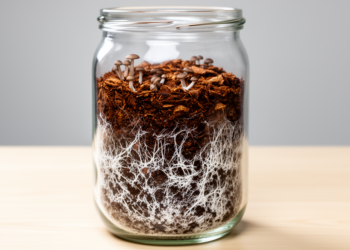
Researchers in the UAE showed that largely underutilized date pomace can replace half of the conventional broth used to grow ...
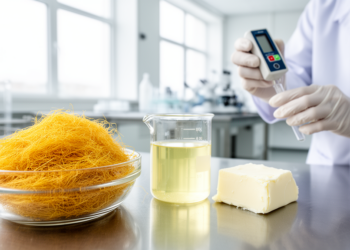
Protein extracted from discarded corn silk can be restructured by alkaline pH treatment to stabilize emulsions and form oleogels that ...
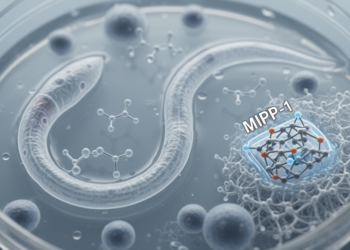
A computational and experimental study identified three yak bone collagen peptides that inhibited MMP-1 and extended the lifespan of Caenorhabditis ...
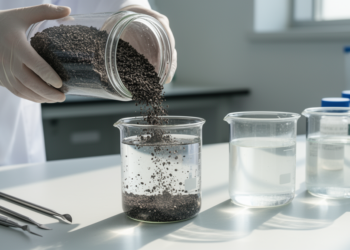
Laboratory tests found that ferrocene-functionalized sawdust carbon removed more than 95% of a dye and about 75–80% of an antibiotic ...

Discarded Amazonian Sacha Inchi shells transformed into carbonaceous materials that remove mercury from water with remarkable efficiency, offering a sustainable ...
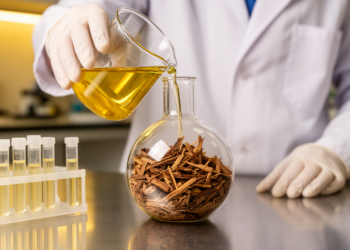
Lignocellulosic biomass—the woody, fibrous skeleton of plants composed of cellulose, hemicellulose, and lignin—is one of the most abundant carbon reservoirs ...
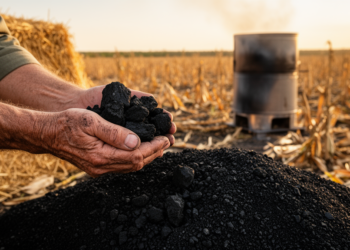
A new review in Frontiers in Environmental Engineering maps how biochar produced from agricultural residues, food waste, and forestry biomass ...
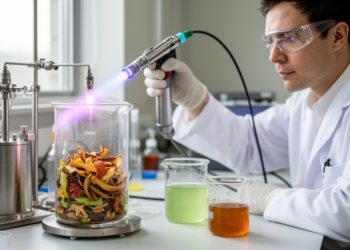
A new review finds cold plasma can boost phenolic recovery from fruit and vegetable waste by 20 to 40 percent ...

Researchers cultivated the extremophilic microalga Galdieria sulphuraria on shrimp and aquaculture sludge hydrolysates, yielding protein-rich biomass and phycocyanin while defining ...


Embark on a thrilling journey of discovery with Scienmag.com—your ultimate source for cutting-edge breakthroughs. Immerse yourself in a world where curiosity knows no limits and tomorrow’s possibilities become today’s reality!