


Stiff Tumors Talk to Immune Cells: How Mechanical Forces Shape Cancer and Immunity
A new Frontiers editorial argues that mechanical forces in tumors regulate invasion, immune surveillance, and treatment response, and that the ...
A new Frontiers editorial argues that mechanical forces in tumors regulate invasion, immune surveillance, and treatment response, and that the ...

A bioinformatics study of stomach adenocarcinoma found that low LIFR expression within tumors was associated with a more favorable prognosis, ...

A new review finds that ozone therapy shows preclinical hints of antitumor activity in colorectal cancer models but lacks convincing ...

A new open-access review describes how the m6A RNA modification acts as a key determinant in reshaping the tumor microenvironment ...

A new review details how tumor cells import, export and steal mitochondria through nanotubes and vesicles to fuel growth, exhaust ...
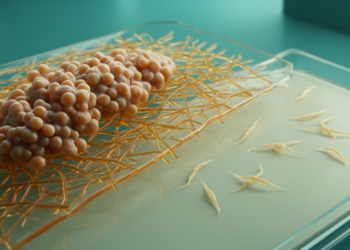
Laboratory experiments show collagen type I coating inhibits pancreatic cancer cell growth while fibronectin supports it, and both reduce sensitivity ...
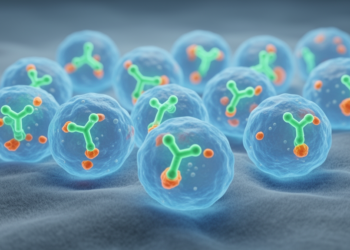
Pre-treatment gene signatures combining immune activity and tumor-intrinsic markers such as SLC7A5 and SOX2 are associated with response and resistance ...
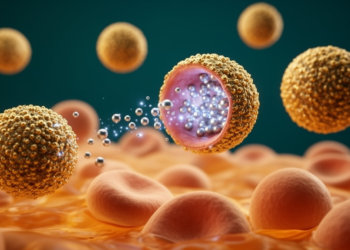
Solid lipid nanoparticles co-delivering nisin and cisplatin showed enhanced cytotoxicity against A431 and MCF-7 cancer cells in vitro, triggering intrinsic ...

A review in Cancer Nanotechnology describes how piezoelectric nanozymes combine enzyme-mimicking catalytic activity with piezoelectric energy conversion to drive reactive ...

Blocking the CD276 molecule slowed gastric cancer growth and, combined with anti-PD-1 therapy, produced the strongest tumor suppression and increased ...


Embark on a thrilling journey of discovery with Scienmag.com—your ultimate source for cutting-edge breakthroughs. Immerse yourself in a world where curiosity knows no limits and tomorrow’s possibilities become today’s reality!