


How Microbial Sensing May Drive Persistent Pain After Infection Clears
A new mini-review proposes that persistent microbial sensing through pattern recognition receptors may bridge acute infection and long-lasting pain.
A new mini-review proposes that persistent microbial sensing through pattern recognition receptors may bridge acute infection and long-lasting pain.

A new review proposes an 'acute storm versus chronic siege' framework distinguishing how acute and chronic liver disease injure the ...

A structured narrative review finds no direct human evidence linking gut dysbiosis to histologically confirmed chronic endometritis, framing the proposed ...
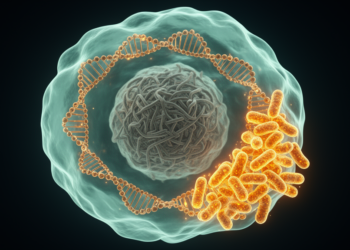
A time-resolved study of Salmonella-infected mouse macrophages shows the bacterium's SPI-1 injectisome suppresses the TLR4-dependent transcriptional response during the first ...
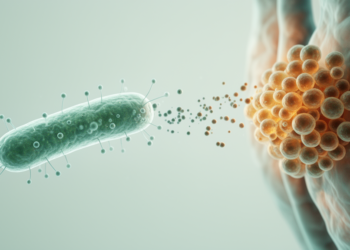
LPS from the cyanobacterium Brasilonema sp. induces neutrophil-driven lung inflammation through TLR4 in mice and exacerbates Th2-dependent allergic airway inflammation ...
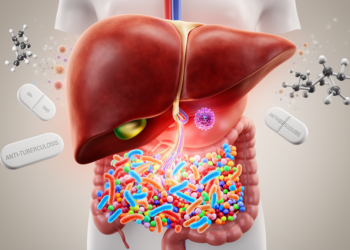
A network-pharmacology study identifies candidate gut microbial metabolites and six core targets that may help explain immune-metabolic pathways associated with ...
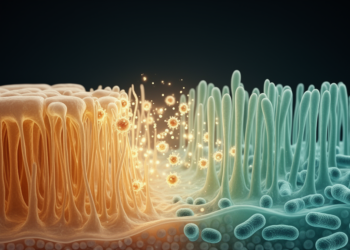
A controlled mouse study found that adult-sourced fecal microbiota transplantation after early-life antibiotics was associated with lower colonic TLR4 protein ...
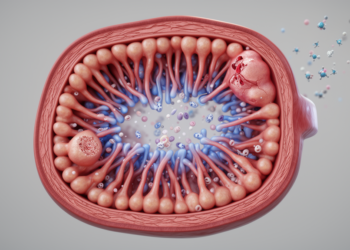
New research shows that sustained activation of the innate immune receptor TLR4 in podocytes triggers a reversible leak in the ...
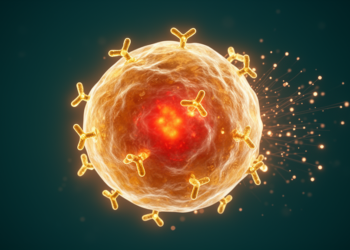
Researchers report that Y RNAs on the surface of human monocytes bind extracellular histones and amplify TLR2/TLR4-driven inflammatory signaling, with ...
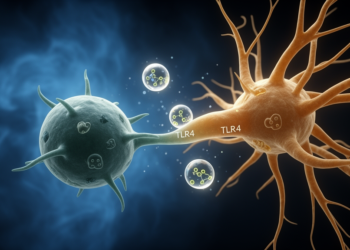
New research shows oxygen-starved microglia release lactate-carrying extracellular vesicles that trigger TLR4-driven inflammation and apoptosis in myelin-forming cells, offering fresh ...


Embark on a thrilling journey of discovery with Scienmag.com—your ultimate source for cutting-edge breakthroughs. Immerse yourself in a world where curiosity knows no limits and tomorrow’s possibilities become today’s reality!