

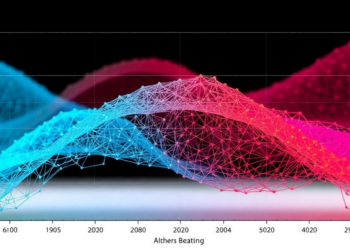
Machine learning predicts strength of nanoparticle-modified basalt fiber composites
Eight machine learning models trained on published experimental data predict the tensile and flexural strength of nanoparticle-modified basalt fiber reinforced ...
Eight machine learning models trained on published experimental data predict the tensile and flexural strength of nanoparticle-modified basalt fiber reinforced ...
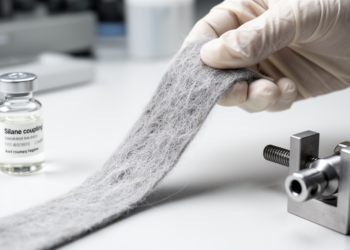
A staged polysulfide sealant formulation combining metal hydroxides, expanded graphite, zinc stannate, aminosilane coupling, and treated cotton fibers achieved 60-minute ...
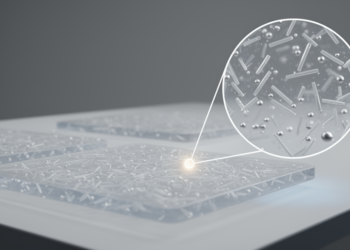
Chitosan films reinforced with acid-modified cellulose nanocrystals from Moroccan Alfa plant and silver nanoparticles showed formulation-dependent gains in tensile strength ...
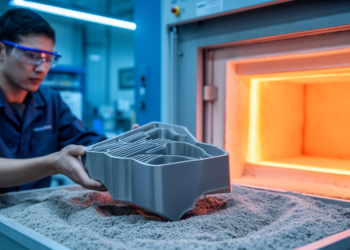
A systematic study of binder-jetted Ti-6Al-4V shows that reducing printing layer thickness to 40 micrometers and sintering for two hours ...
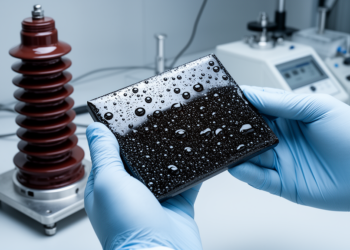
A response surface methodology study optimized epoxy-EPDM nano-silica composites, reaching 90.9 MPa tensile strength and 0.0441% water absorption under tested ...
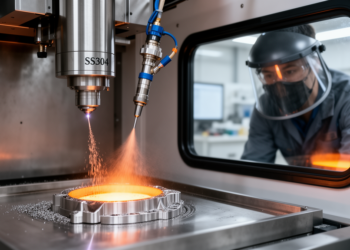
A hybrid LPBF-LDED study of SS304 stainless steel found a fine as-deposited LPBF microstructure with superior corrosion resistance, while lack-of-fusion ...
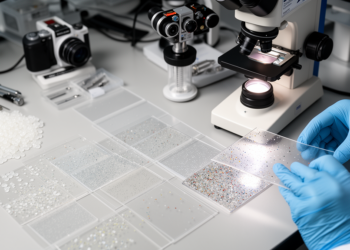
An experiment using multi-objective Bayesian optimization mapped the strength–stretchability trade-off in polyethylene composite films and linked it to molecular alignment ...
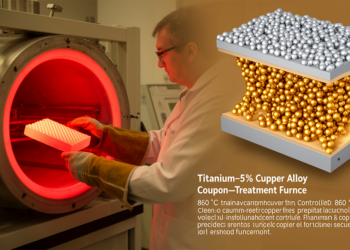
A study of Ti–5Cu alloy sheets found that solution treatment at 860 °C for 1,800 s produced the best overall ...
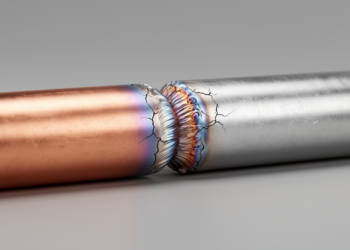
A finite element study of ultrasonic copper-aluminum cable welding identifies stress concentration at aluminum wire edges as the primary cause ...
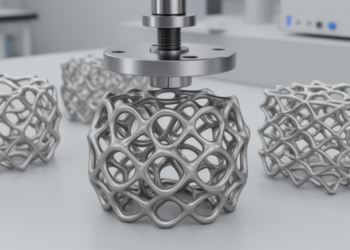
Experiments on electron-beam-manufactured Ti-6Al-4V gyroid lattices found that thicker walls increased stiffness and static strength, while all five designs exceeded ...


Embark on a thrilling journey of discovery with Scienmag.com—your ultimate source for cutting-edge breakthroughs. Immerse yourself in a world where curiosity knows no limits and tomorrow’s possibilities become today’s reality!