

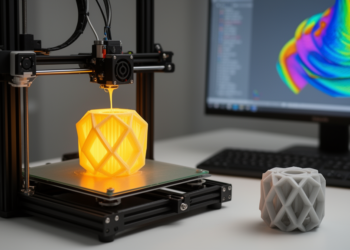
AI Model Predicts Strength and Surface Quality of 3D-Printed PLA Parts
A hybrid RVFL-HGSO machine learning model achieved a coefficient of determination (R2) of 98.95 percent in predicting the surface roughness ...
A hybrid RVFL-HGSO machine learning model achieved a coefficient of determination (R2) of 98.95 percent in predicting the surface roughness ...

A study of TC25 titanium alloy shows that flow lines reflect a Burgers-relationship-driven microtexture whose orientation relative to loading controls ...
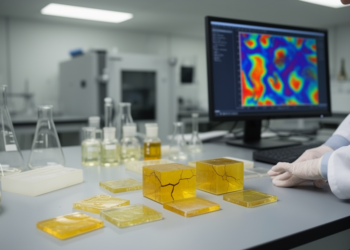
Adhesives quietly hold together the modern world, from semiconductor packages to the lightweight joints that make cars and aircraft lighter.
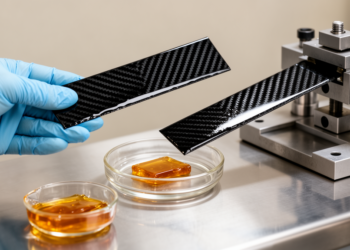
A CO2-derived vitrimer matrix nearly matched conventional epoxy in tensile strength for carbon fiber composites while enabling recycling, though flexural ...
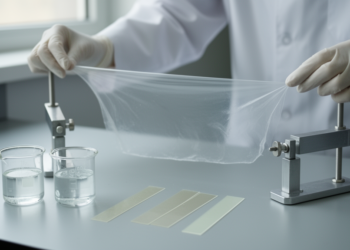
A systematic glycerol dose sweep in chitosan-PVA films identified 1.5 millilitres as the optimum for strength, flexibility and moisture resistance, ...

A full-factorial study of PLA material extrusion printing found that sequential one-part-at-a-time printing raised tensile strength by about 16 percent ...
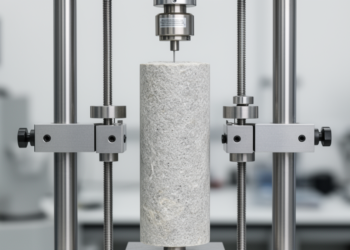
Researchers have developed a clamp-based direct tensile testing procedure for short cylindrical rock cores and composite samples with axial interfaces, ...
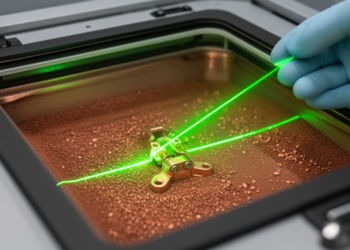
Researchers printing pure copper with a 535 nm green laser found that matching laser power to scan speed, rather than ...
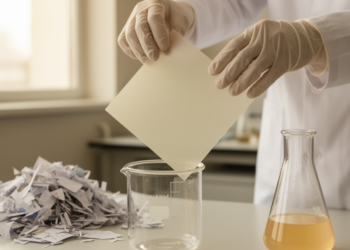
Cellulose acetate synthesized from waste paper raised the flux recovery ratio of PES ultrafiltration membranes from about 61 percent to ...
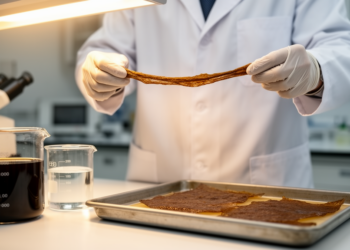
A Polymer Bulletin study reports that citric acid crosslinking gave lignin-based biofilms the best mechanical performance, with tensile strength reaching ...


Embark on a thrilling journey of discovery with Scienmag.com—your ultimate source for cutting-edge breakthroughs. Immerse yourself in a world where curiosity knows no limits and tomorrow’s possibilities become today’s reality!