

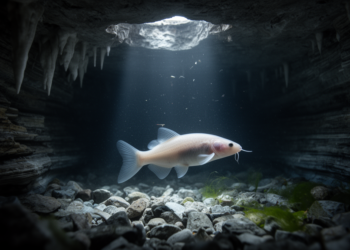
Cavefish isotope fingerprints reveal how cave geometry shapes food webs in the dark
Stable isotope fingerprints from seven Mexican cavefish populations show that cave depth and geometry shape the food webs that sustain ...
Stable isotope fingerprints from seven Mexican cavefish populations show that cave depth and geometry shape the food webs that sustain ...
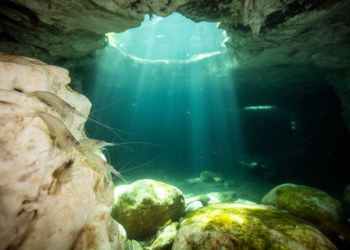
Stable isotope analysis of Typhlatya shrimps across Yucatan cenotes shows three species occupying distinct trophic niches, with T. pearsei relying ...

A new editorial in Frontiers in Environmental Chemistry synthesizes six studies tracing how mercury moves and transforms through permafrost, grasslands, ...
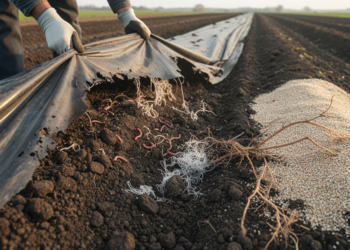
A year-long incubation study shows that biodegradable plastic mulch residues stimulate microbial biomass and reshape soil aggregates differently in loamy ...
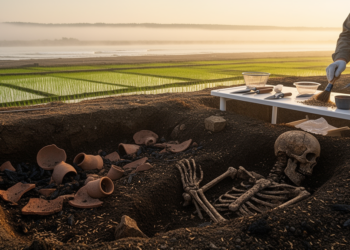
The Jingtoushan site, located on the coast of Zhejiang Province in the Lower Yangtze River Delta, occupies a pivotal position ...
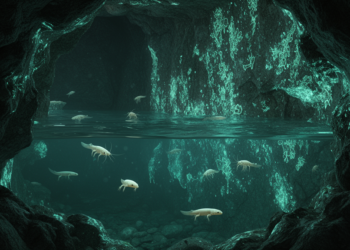
A new study of the Edwards Aquifer in Texas reveals that chemosynthetic microbes deep underground produce up to nearly half ...
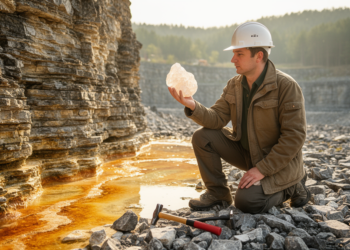
New geochemical evidence shows that slightly evaporated, near-normal seawater transformed Upper Jurassic limestones into the massive dolostones of the Franconian ...
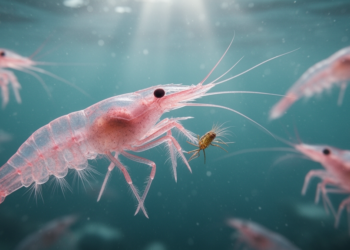
A study of fifteen krill species in the Benguela upwelling system reveals feeding strategies ranging from herbivory to exclusive carnivory, ...
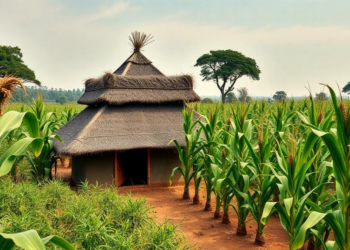
Isotope analysis of more than 100 ancient individuals shows that corn-based polyculture, not hunting-gathering or monoculture, sustained large pre-colonial villages ...

A four-year, 24-station monitoring campaign has produced the first nationwide stable isotope baseline for South Korean precipitation, revealing stark seasonal ...


Embark on a thrilling journey of discovery with Scienmag.com—your ultimate source for cutting-edge breakthroughs. Immerse yourself in a world where curiosity knows no limits and tomorrow’s possibilities become today’s reality!