

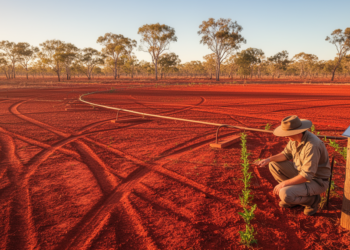
Why Australian Farm Research Is Ditching Linear Models for Complexity Thinking
Australian soil research projects show that agricultural R&D works best when designed around complexity principles such as self-organisation, feedback loops ...
Australian soil research projects show that agricultural R&D works best when designed around complexity principles such as self-organisation, feedback loops ...
DNA sequencing of soils in an Ecuadorian Chocó reserve reveals that a remnant forest patch harbors a distinct bacterial community ...
A qualitative study of Nebraska farmers shows that peer influence, land tenure, farming traditions, and on-farm experimentation shape whether soil ...
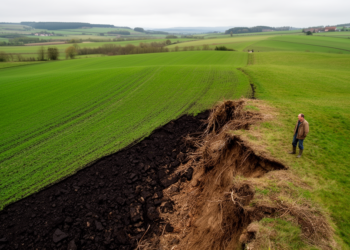
A new study of Wallonia shows that land-take between 2007 and 2018 erased not just farmland but the capacity of ...
The Soils for Europe Conference in Coimbra arrived at a moment when the conversation around European soils is changing character. ...
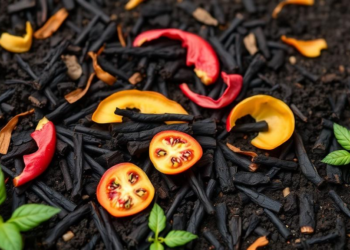
A new greenhouse study shows that biochars made from vinasse, olive pomace, and tomato peels can significantly boost crop growth, ...
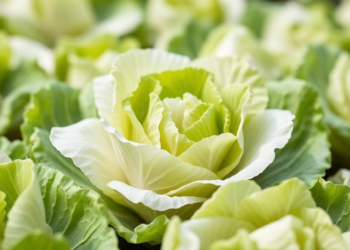
A Bangladesh field trial found that Iceberg lettuce grown with organic fertilizer delivered the highest benefit-cost ratio despite a lower ...
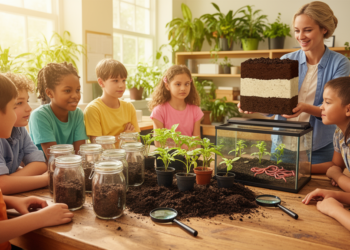
A new editorial argues that soil science is marginal in school curricula worldwide and calls for transformative, sustainability-focused soil education ...
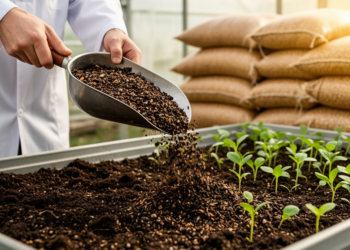
Czech researchers show that bacterial fermentation of grain milling waste dramatically increases nutrient availability, outperforming compost and vermicompost as a ...

The global food system is under strain from two directions at once. Climate-driven instability — prolonged droughts, intense floods, unpredictable ...


Embark on a thrilling journey of discovery with Scienmag.com—your ultimate source for cutting-edge breakthroughs. Immerse yourself in a world where curiosity knows no limits and tomorrow’s possibilities become today’s reality!