


Sun and Wind, Not Temperature, Drive Evaporation Across Brazil’s Climates
A thirty-year analysis of six Brazilian cities shows that solar radiation and wind speed, not air temperature, govern reference evapotranspiration, ...
A thirty-year analysis of six Brazilian cities shows that solar radiation and wind speed, not air temperature, govern reference evapotranspiration, ...

A new review in Pediatric Research synthesizes two decades of evidence showing that climate change intensifies air pollution, temperature extremes ...
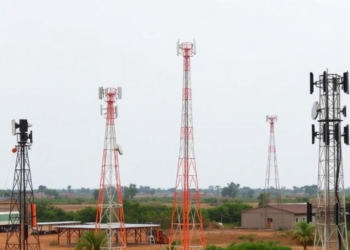
A 42-year analysis of eight Nigerian stations shows that rising humidity and temperature are steadily increasing radio refractivity across the ...
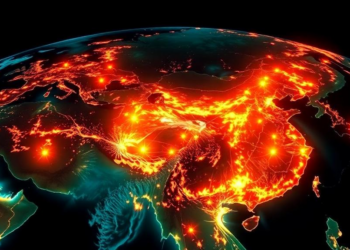
A new study uses satellite-detected solar-induced chlorophyll fluorescence to map reference evapotranspiration across China and shows that relative humidity, not ...

Researchers combined single droplet drying experiments, infrared thermography and predictive modeling to show that the stickiness window of drying droplets ...

A year-long field study on Ecuador's Pacific coast found that low-carbon steel corroded fastest in months with the lowest chloride ...

New research shows that parental care in the subsocial dung beetle Canthon cyanellus cyanellus preserves brood ball moisture and cultivates ...

A new integrated forecasting framework reconstructs ten global climate indicators from 1940 to 2024 and projects them to 2100, revealing ...


Embark on a thrilling journey of discovery with Scienmag.com—your ultimate source for cutting-edge breakthroughs. Immerse yourself in a world where curiosity knows no limits and tomorrow’s possibilities become today’s reality!