


SPTLC2 boosts esophageal cancer radiosensitivity via ER stress
A new study reveals that SPTLC2 enhances radiosensitivity in esophageal cancer by triggering endoplasmic reticulum stress and apoptosis.
A new study reveals that SPTLC2 enhances radiosensitivity in esophageal cancer by triggering endoplasmic reticulum stress and apoptosis.
In a mouse and cell study, caloric restriction and fasting enhanced radiation's tumor-killing effects through the cGAS-STING pathway while protecting ...
A long noncoding RNA called CYP4A22-AS1 promotes radioresistance in cervical adenocarcinoma by shuttling YBX1 into the nucleus to activate the ...
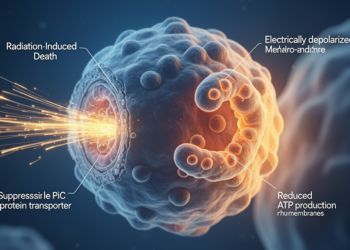
A mechanistic study in glioma cells and mouse tumor models links radiation-induced PiC suppression to mitochondrial dysfunction, sustained pore opening, ...

New research shows a moderate 30 Gy dose of gamma radiation boosted strawberry growth and flowering, while higher doses sharply ...

Gamma irradiation of sweet potato vine cuttings in Ethiopia produced mutant lines with higher tuber yields, 68.6 percent more beta-carotene ...
A new review in Molecular Cancer synthesizes how liquid-liquid phase separation shapes radiosensitivity, immune evasion, and treatment resistance in cancer.
A new study shows that the RNA cap-modifying enzyme PCIF1 drives tumor growth and radioresistance, and that removing its m6Am ...
Researchers in Beijing have identified a PUM2-PAFAH1B1 regulatory axis that triggers ferroptosis and overcomes radioresistance to iodine-125 seed therapy in ...
New research reveals that the motor protein KIFC1 drives cervical cancer radioresistance by shuttling the splicing factor SRSF3 into the ...


Embark on a thrilling journey of discovery with Scienmag.com—your ultimate source for cutting-edge breakthroughs. Immerse yourself in a world where curiosity knows no limits and tomorrow’s possibilities become today’s reality!