


Ecuador study links carrying capacity to income, corruption and informality
An Ecuadorian time-series study finds a U-shaped income relationship with ecological carrying capacity, negative associations with corruption and informality, and ...
An Ecuadorian time-series study finds a U-shaped income relationship with ecological carrying capacity, negative associations with corruption and informality, and ...

A stated-choice experiment with 1,481 Chinese adults found that data sensitivity strongly changed which hypothetical health data-sharing arrangements participants selected, ...

A Yunnan cross-sectional survey found high awareness and generally positive attitudes toward China’s centralized drug procurement policy, alongside a knowledge-behavior ...

A new budget impact analysis estimates that GLP-1 and dual GIP/GLP-1 receptor agonists could cost Saudi Arabian payers billions over ...

Public healthcare systems around the world are under relentless pressure. Aging populations, rising chronic disease burdens, technological disruption, pandemic aftershocks, ...
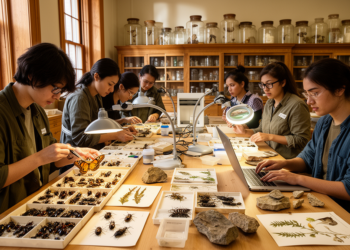
Across the globe, thousands of scientific institutions house nearly three billion specimens and associated metadata, forming a vast repository of ...
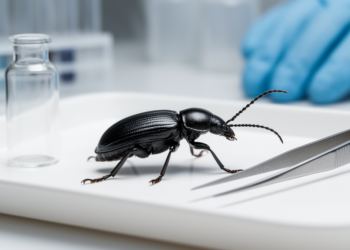
Rove beetles, members of the family Staphylinidae, represent one of the most diverse groups of insects on Earth, with approximately ...
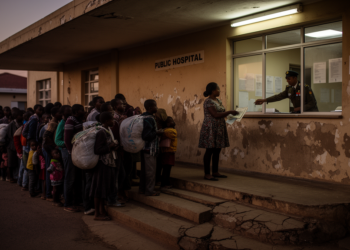
South Africa's constitution promises universal health coverage to everyone who lives in the country, yet a new study reveals that ...

A new mini review argues that apps, wearables and remote monitoring will only deliver public health value when health systems ...

A new deep learning model combining Bi-LSTM and attention mechanisms detects campus online opinion storms early, outperforming BERT and other ...


Embark on a thrilling journey of discovery with Scienmag.com—your ultimate source for cutting-edge breakthroughs. Immerse yourself in a world where curiosity knows no limits and tomorrow’s possibilities become today’s reality!