


3D-Printed Quercetin Scaffold Suppresses Tumors and Restores Bone in Animal Models
A 3D-printed polycaprolactone scaffold eluting quercetin suppressed renal carcinoma tumor growth while promoting bone regeneration across cellular and animal models.
A 3D-printed polycaprolactone scaffold eluting quercetin suppressed renal carcinoma tumor growth while promoting bone regeneration across cellular and animal models.

A new chemo-biotechnological process converts biodegradable polyesters into PHB using alkaline hydrolysis and microbial fermentation by Cupriavidus necator B4383.
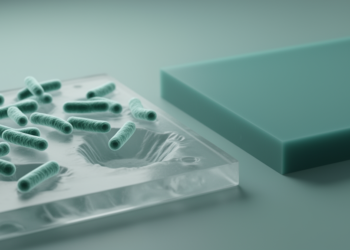
A new primer reports that Pseudomonas aeruginosa can substantially degrade bio-based polyesters such as polycaprolactone but only partially modifies recalcitrant ...
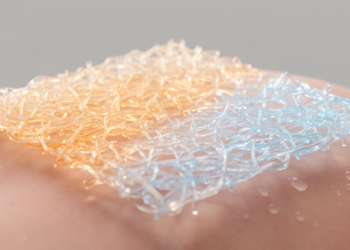
Electrospun polycaprolactone nanofibers containing Cotinus coggygria extract and hyaluronic acid maintained fibroblast viability and inhibited Staphylococcus aureus in laboratory tests.

A small uncontrolled prospective study of 30 adults found significant changes in skin deformation measurements over six months after three ...
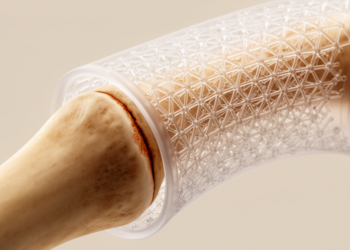
A 3D-printed polycaprolactone sleeve reduced transverse strain in porous gyroid bone scaffolds by 8.2 percent in cadaveric ovine defect tests, ...
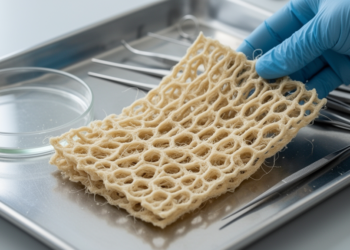
An experimental study developed a 3D-printable soybean-okara composite with antioxidant, anti-inflammatory and pro-regenerative activity in fibroblast tests, but did not ...
Researchers in Aachen have developed an automated production concept for personalized medical scaffolds in which magnetically levitating print beds serve ...
Researchers used droplet-based microfluidics to create porous polycaprolactone microspheres that outperform compact ones at stimulating collagen production in human skin ...
A new systematic review maps how fibers, yarns, and fabrics are being engineered into wound dressings, tissue scaffolds, drug-delivery systems, ...


Embark on a thrilling journey of discovery with Scienmag.com—your ultimate source for cutting-edge breakthroughs. Immerse yourself in a world where curiosity knows no limits and tomorrow’s possibilities become today’s reality!