


Systemic Insecticides Drive Bumble Bee Colony Collapse Even at Permitted Levels
A systematic review of 124 studies indicates that legacy and next-generation systemic insecticides consistently cause sublethal physiological and neurological damage ...
A systematic review of 124 studies indicates that legacy and next-generation systemic insecticides consistently cause sublethal physiological and neurological damage ...

A comprehensive global synthesis reveals that rising pesticide toxicity threatens long-term agricultural productivity through sublethal ecological damage and resistance evolution.

A systematic map compiling 385 studies spanning from 1885 to 2020 reveals critical historical trends, habitat coverage, and monitoring gaps ...

A survey of 1,107 smallholder farming households in northern Ghana found that most perceived declines in pollinator diversity and activity, ...
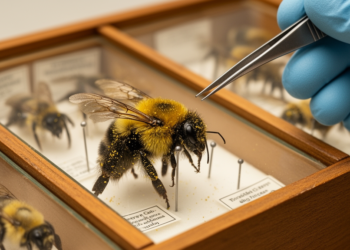
Pollen metabarcoding of bumblebee museum specimens from 1968/69 and field-caught bees from 2019 near Cuxhaven, Germany, reveals a shift in ...
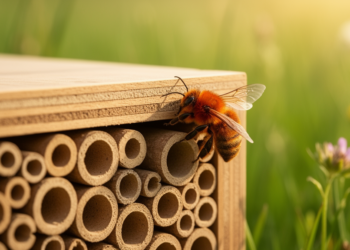
Researchers have published a formal model describing how a spatially explicit agent-based simulation of the solitary red mason bee Osmia ...
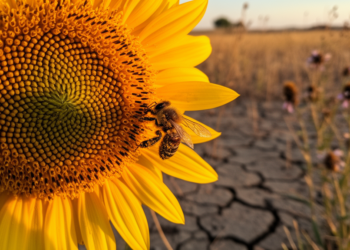
A new theoretical study shows that self-organized vegetation patterns can stabilize plant–pollinator mutualisms, allowing coexistence under environmental stress that would ...
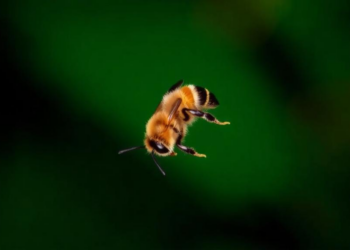
Genomic analysis of Fiji's tiny canopy-dwelling Hylaeus bees reveals a 99 percent population collapse over 150 years, driven by colonisation, ...
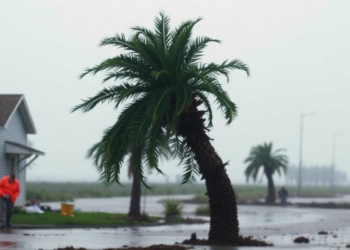
A new review argues that disaster managers worldwide focus on visible wind hazards like hurricanes and wildfires while neglecting the ...
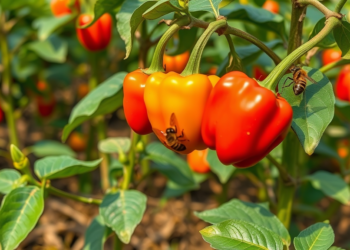
A field study in West Bengal shows that managed stingless bee colonies significantly boost the yield and quality of chili ...


Embark on a thrilling journey of discovery with Scienmag.com—your ultimate source for cutting-edge breakthroughs. Immerse yourself in a world where curiosity knows no limits and tomorrow’s possibilities become today’s reality!