


The Maternal-Fetal Communicatome: How Pregnancy Acts as One Unified Physiological Network
A new scoping review reframes pregnancy as a unified, adaptive physiological network whose decoupling may serve as an early-warning marker ...
A new scoping review reframes pregnancy as a unified, adaptive physiological network whose decoupling may serve as an early-warning marker ...

A new study links specific microRNAs in prenatal maternal blood and the placenta to preschoolers' anxiety and depression symptoms, with ...

A large cohort study across The Gambia, Kenya and Mozambique finds that households without piped water or improved sanitation face ...

Micro- and nanoplastics have now been detected in some of the most intimate environments the human body contains: the placenta, ...
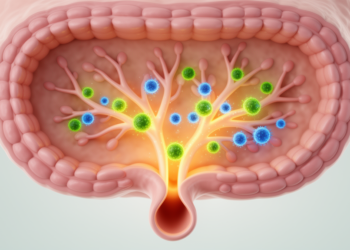
The proposal arrives at a moment when mammalian microbiome research has matured considerably, yet its evolutionary interpretation remains fragmented. Most ...
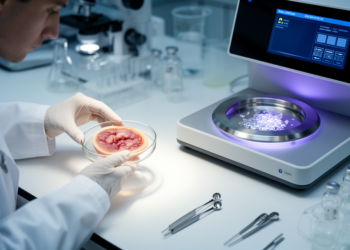
A new Py-GCxcIMS method detects micro- and nanoplastics in 41 percent of human placentas while filtering out lipid false positives, ...
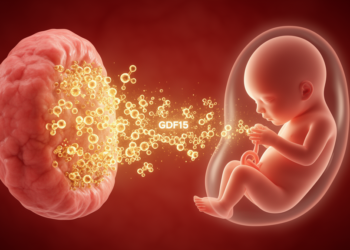
New research in mice and pigs shows that the placental hormone GDF15 drives fetal growth by activating a STAT3-IGF2 signaling ...

Proteome-wide profiling of thousands of pregnancies reveals a shared maternal autoantibody signature preceding preterm birth, including neutralizing antibodies against the ...

A prospective case-control study finds that pregnant women with hyperemesis gravidarum have significantly lower circulating ATF-4 levels than healthy controls, ...

A comprehensive scoping review of 64 studies reveals that placental hydrogen sulfide research is heavily skewed toward biosynthetic enzymes and ...


Embark on a thrilling journey of discovery with Scienmag.com—your ultimate source for cutting-edge breakthroughs. Immerse yourself in a world where curiosity knows no limits and tomorrow’s possibilities become today’s reality!