


Physics-informed AI reduces operational CO₂ in façade design study
A computational study found climate-dependent double-skin façade designs that reduced operational CO₂ emissions by 13–23% in Tashkent and 8–20% in ...
A computational study found climate-dependent double-skin façade designs that reduced operational CO₂ emissions by 13–23% in Tashkent and 8–20% in ...

A critical review finds that dynamic stall, vortex shedding and blade-wake interaction simultaneously govern the power, cyclic loading and noise ...
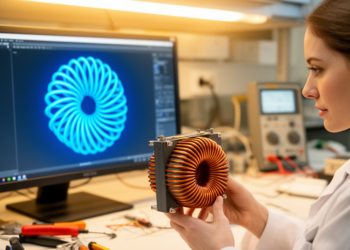
A constraint-driven multi-objective optimization framework produced a nanocrystalline high-frequency transformer whose design was verified by finite-element analysis and a 150 ...

A new study combines CTGAN-generated synthetic data, hybrid machine learning, SHAP explainability, reliability analysis and multi-objective optimization to design fly ...
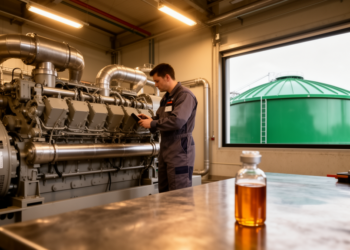
A simulation study of HCCI engines reports that optimized blends of methanol, ethanol and acetone could raise biogas engine power ...

On a primary synthetic benchmark, landscape-aware ant colony optimization reduced modeled conflict by 31.1% for a 13.9% increase in route ...

A response-surface-guided neural network predicted a balanced silica-fume and nano-silica formulation for coral aggregate concrete, reducing prediction error without additional ...

A computational comparison found that two moderately thick aluminum L-shaped fins gave the best tested charging–discharging balance for a rectangular ...

A DSSAT-based optimization study in Iran identified cropping patterns that reduced water use and nitrogen leaching while retaining much of ...

A neural-network surrogate paired with differential evolution reduced model-predicted EV battery thermal risk by 94.8% across charging rates from 0.5C ...


Embark on a thrilling journey of discovery with Scienmag.com—your ultimate source for cutting-edge breakthroughs. Immerse yourself in a world where curiosity knows no limits and tomorrow’s possibilities become today’s reality!