

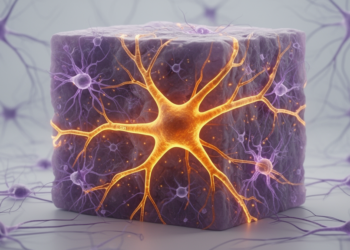
CD51 defines specialized astrocyte roles in mouse brain circuits
A mouse study shows that CD51-positive and CD51-negative astrocytes have distinct roles in synapse formation, memory-circuit adaptation and recovery from ...
A mouse study shows that CD51-positive and CD51-negative astrocytes have distinct roles in synapse formation, memory-circuit adaptation and recovery from ...
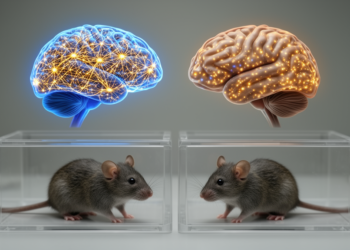
An experimental comparison of 17 autism-risk mouse lines identified two opposing brain-gene activity states that varied with sex, development and ...
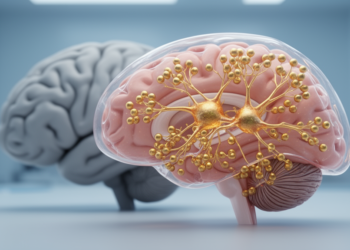
Blocking asparagine synthetase restored brain growth and behaviors in Angelman syndrome mice by interrupting persistent neuronal stress signaling downstream of ...

Researchers in Barcelona report that a six-gene activity score, anchored by the Polycomb factor PHF19, divides acute myeloid leukaemia patients ...
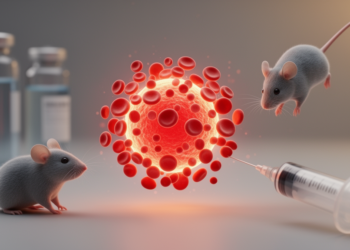
Microparticles made from red blood cells deliver haem to the nucleus of dendritic cells, activating a pathway that boosts cytotoxic ...
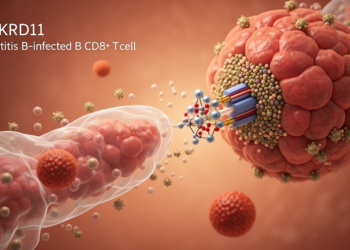
A mouse study found that removing ANKRD11 enhanced CD8+ T-cell activity against chronic hepatitis B virus infection and cancer, but ...
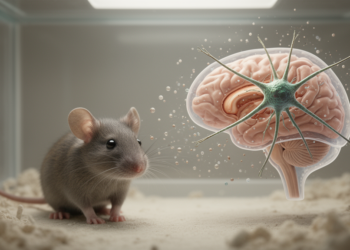
A mouse study found that chronic stress shortened primary cilia on amygdala astrocytes, while restoring the structures improved some stress-related ...
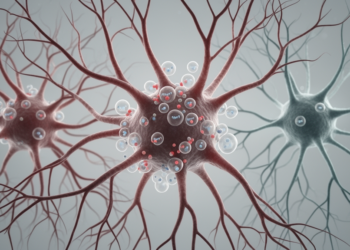
In mouse cerebellar slice cultures, blocking mGluR1 partially restored dendritic, spine and postsynaptic abnormalities in Purkinje cells carrying the SCA14-associated ...
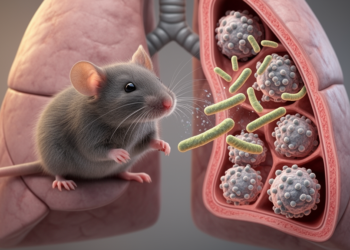
Mouse infection experiments show that Mycobacterium tuberculosis remains difficult for innate immunity to clear across ultra-low-dose, microbiota-primed, and Legionella-primed models.
Researchers report that mouse and human beige adipocytes can increase energy expenditure through a futile sodium and potassium transport cycle ...


Embark on a thrilling journey of discovery with Scienmag.com—your ultimate source for cutting-edge breakthroughs. Immerse yourself in a world where curiosity knows no limits and tomorrow’s possibilities become today’s reality!