


CRISPR in Food Microbiology Offers Precision but Faces Industrial Implementation Hurdles
A scientific review evaluates the practical capabilities and industrial implementation barriers of CRISPR/Cas technologies in food microbial biotechnology.
A scientific review evaluates the practical capabilities and industrial implementation barriers of CRISPR/Cas technologies in food microbial biotechnology.

A 65-day isotopic tracing study demonstrates that biochar achieves a 99.7 percent carbon sequestration efficiency by enriching slow-growing K-strategist microbes ...

A new review in Frontiers in Pharmacology evaluates how microbial metabolites may mediate chemotherapy-induced cognitive impairment, providing a framework for ...

A computer modeling study reveals that soil pore geometry and moisture connectivity determine whether microbial communities store carbon efficiently or ...

A prospective study of 128 patients found that combined morphological and functional vaginal microecology parameters predicted secondary vaginal infections following ...

A microbiological investigation of Kangal sheep identifies Mycoplasma species as significant factors in ovine repeat breeding under natural mating conditions.

A study in China's Sanjiang Plain reveals significant shifts in Deyeuxia angustifolia rhizosphere fungal diversity and bacterial life-history strategies across ...

An ecology-guided study of Tunchang pigs identified a gut-derived Limosilactobacillus reuteri strain that alleviated dextran sulphate sodium-induced colitis in mice.

A metabolomic and 16S rRNA study of captive Amur tigers found 169 metabolites differing significantly across subadult, adult and old ...
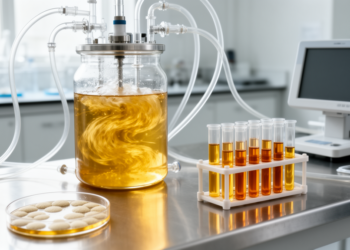
Researchers report a single-step fermentation in which Starmerella yeasts fed glucose, oleic acid and alcohols directly produce acetylated sophorolipid esters, ...


Embark on a thrilling journey of discovery with Scienmag.com—your ultimate source for cutting-edge breakthroughs. Immerse yourself in a world where curiosity knows no limits and tomorrow’s possibilities become today’s reality!