

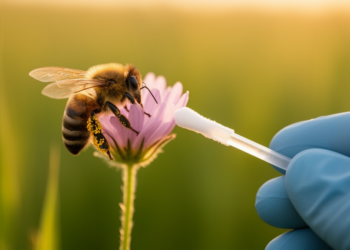
New Bee-Specific DNA Primers Reveal Hidden Pollinators on Flowers
A newly developed bee-specific DNA primer pair called BeePrime doubles bee detections from floral environmental DNA and uncovers more than ...
A newly developed bee-specific DNA primer pair called BeePrime doubles bee detections from floral environmental DNA and uncovers more than ...

A comprehensive survey of Philippine giant clams reveals that host species identity, not environmental conditions, primarily shapes their algal symbiont ...

A new study synthesizes experiences from twenty countries to reveal how national DNA barcoding nodes are built, governed, and sustained ...
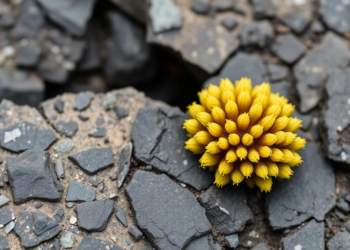
A new study reveals that the ultramafic specialist lichen Solenopsora liparina survives on toxic, metal-rich rocks through flexible, climate-structured partnerships ...
A new study shows that non-target DNA detections, or molecular bycatch, can fundamentally alter the ecological interpretation of environmental DNA ...
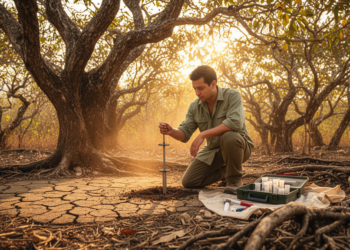
Environmental DNA from 11 Colombian forest sites shows that drought-tolerant microbes dominate tropical dry forest soils, while larger soil animals ...
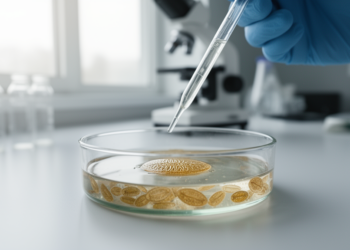
Deep beneath the surface of every river, lake and ocean, an invisible army of microscopic algae is quietly recording the ...

A low-cost nanopore sequencing method recovers 1,000-base-pair mitochondrial fragments from river water eDNA, revealing fine-scale population structure of Japanese loaches ...
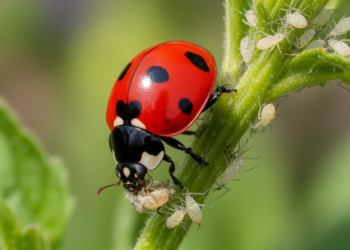
Aphid DNA from multiple species was detected up to seventy-two hours post-ingestion and up to one hundred hours following cessation ...

An international team of eDNA researchers has launched a task force to develop inclusive global standards for environmental DNA biodiversity ...


Embark on a thrilling journey of discovery with Scienmag.com—your ultimate source for cutting-edge breakthroughs. Immerse yourself in a world where curiosity knows no limits and tomorrow’s possibilities become today’s reality!