


Dihydroartemisinin Drives SP1 Degradation to Slow Melanoma Growth
A new study reports that dihydroartemisinin suppresses melanoma by promoting ubiquitination and proteasomal degradation of the transcription factor SP1.
A new study reports that dihydroartemisinin suppresses melanoma by promoting ubiquitination and proteasomal degradation of the transcription factor SP1.

Researchers propose a structured decision matrix to guide the selection of outcome measures in health economic evaluations of skin cancer ...

BRAF inhibitor-resistant melanoma cells release M-CSF and remodel the immune microenvironment, and blocking this signal improved drug efficacy in mouse ...

A mixed methods Australian study found that most community members and patients who used validated online melanoma risk prediction tools ...

A four-site US chart review of 398 patients with stage IB–IIC melanoma found predominantly surgical management, with systemic therapy and ...

A new study in Myeloid Cells reports that the vaccine adjuvant AS01 induces trained immunity in human monocytes and slows ...

Endothelial ICAM-1 becomes polarized to the tumor periphery as melanomas grow, trapping T cells at the margins, and blocking it ...
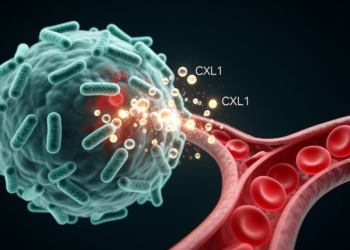
Sustained blood CXCL1 elevation tracked attenuated Salmonella colonization in four preclinical tumor models.

A UK retrospective cohort study of 133 patients with loco-regional recurrent melanoma found surgery was the predominant treatment, with immunotherapy ...

A new editorial argues that extracellular vesicles both drive tumor adaptation and drug resistance and offer promising platforms for antitumor ...


Embark on a thrilling journey of discovery with Scienmag.com—your ultimate source for cutting-edge breakthroughs. Immerse yourself in a world where curiosity knows no limits and tomorrow’s possibilities become today’s reality!