

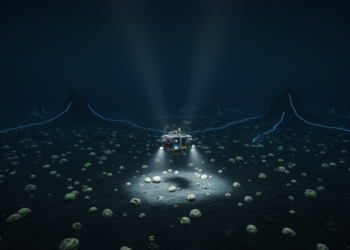
Deep-sea protected areas in the Pacific mining zone are barely connected, model shows
A modelling study finds that protected areas in the Clarion–Clipperton Zone exchange almost no simulated larvae, but strategically placed corridors ...
A modelling study finds that protected areas in the Clarion–Clipperton Zone exchange almost no simulated larvae, but strategically placed corridors ...
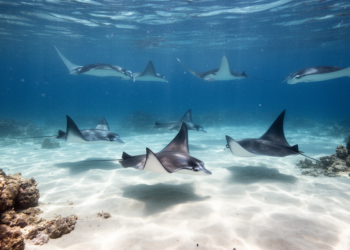
A Central American tracking study found that juvenile giant manta rays stayed in shallow coastal refuges while nine mature animals ...
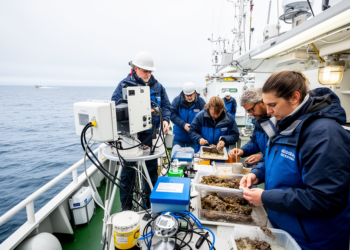
The four-year GES4SEAS project developed and tested a co-designed framework and eight interoperable tools for assessing cumulative marine pressures, with ...
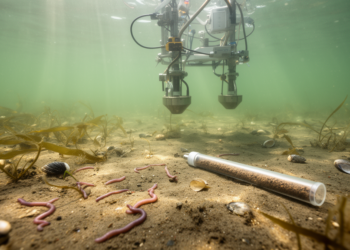
A comparative sediment survey in two Baltic Sea regions found that DNA marker choice changed meiofaunal diversity estimates and that ...
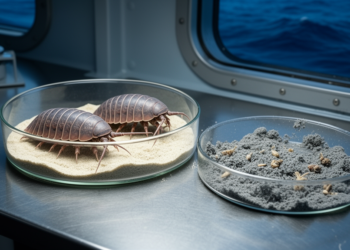
Two new deep-sea isopod species were described from Argentina’s continental slope, marking the family Katianiridae’s first documented occurrence in the ...

A new national-scale mapping effort using high-resolution satellite imagery has produced Indonesia's first government-endorsed extent maps of coral reefs, seagrass ...

A systematic review of 68 studies finds that community engagement in marine protected areas is often passive and tick-box in ...
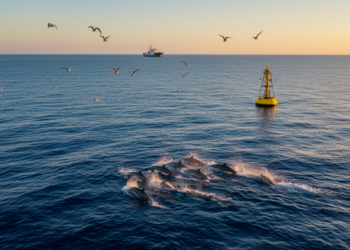
A new perspective argues the BBNJ Agreement should be read as a mandate to manage all Areas Beyond National Jurisdiction ...

A new Frontiers collection shows how early career researchers are exposing blind spots in marine science, from marine litter and ...

The seabed of the North Sea is one of the most heavily trawled seafloors on Earth, and a new baseline ...


Embark on a thrilling journey of discovery with Scienmag.com—your ultimate source for cutting-edge breakthroughs. Immerse yourself in a world where curiosity knows no limits and tomorrow’s possibilities become today’s reality!