


VTA dopamine loss disrupts memory-guided hindlimb control in mice
Mice with ventral tegmental area dopamine lesions stomp and graze obstacles with their hindlimbs while forelimb control remains intact, implicating ...
Mice with ventral tegmental area dopamine lesions stomp and graze obstacles with their hindlimbs while forelimb control remains intact, implicating ...
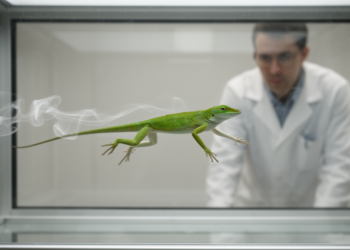
All five tested Anolis species adopted a skydiving posture and executed controlled aerial descents in a vertical wind tunnel, with ...
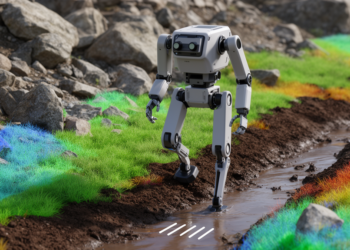
A simulator study found that semantic terrain labels guided a unified behavior-cloning policy to select flat-ground and stairway behaviors for ...
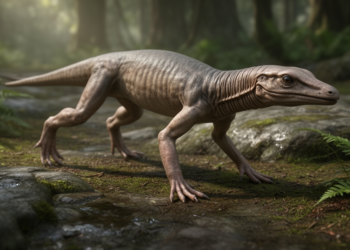
A biomechanical model combining fossil anatomy with measurements from living sturgeon suggests that early tetrapods had stiff necks associated with ...
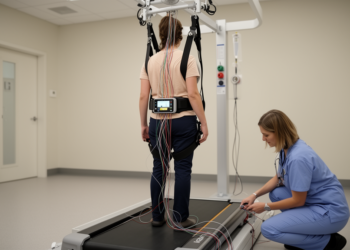
A new narrative review maps how electrode placement, frequency, intensity, pulse width, and stimulation mode determine what epidural spinal cord ...
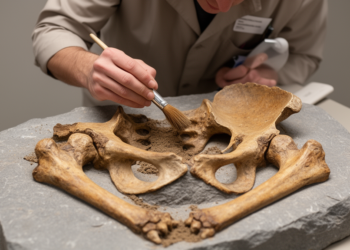
Microscopic analysis of 200-million-year-old hip bones from Metoposaurus shows the giant amphibian's hindlimbs played a minor role in swimming.
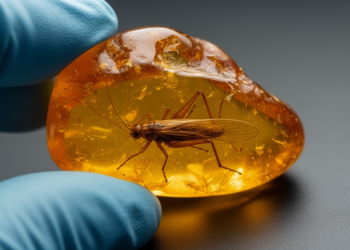
A 99-million-year-old cricket trapped in Kachin amber sports unusually stout legs on all three pairs, suggesting it crawled rather than ...
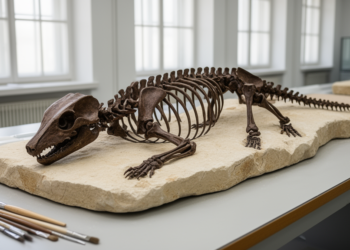
The first known partial skeleton of the extinct mustelid Leptarctus wortmani reveals a badger-like terrestrial generalist that occupied Miocene North ...
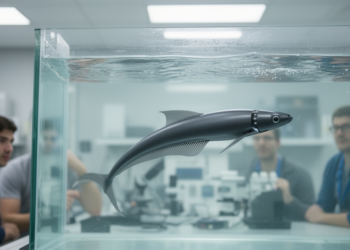
A knifefish-inspired robot called Naiad combines an undulating ribbon fin with an actively bendable body to achieve agile turning, vertical ...
Long-duration microstimulation in rats reveals spatially segregated Advance and Elevation programs that steer the hindlimb forward or upward during walking.


Embark on a thrilling journey of discovery with Scienmag.com—your ultimate source for cutting-edge breakthroughs. Immerse yourself in a world where curiosity knows no limits and tomorrow’s possibilities become today’s reality!