


Identifying Genetic Mechanisms of Salt Tolerance in Zhenmai Wheat Genotypes
Researchers have characterized salt-responsive miRNAs in Zhenmai wheat genotypes to identify molecular targets for breeding more resilient crops.
Researchers have characterized salt-responsive miRNAs in Zhenmai wheat genotypes to identify molecular targets for breeding more resilient crops.

A review highlights how rhizosphere microbiomes and rice-turnip rotations could assist saline soil rehabilitation, while noting that consistent field evidence ...

A two-year field trial demonstrates that foliar application of 200 micromolar melatonin increases salt-stressed rice yield by up to 21.96 ...

A study reveals how young halophyte ice plant seedlings coordinate antioxidant enzymes and gene expression to endure high salinity while ...

Combining mycorrhizal inoculation with exogenous melatonin enhances peanut seedling tolerance against saline-alkali stress through coordinated physiological and transcriptomic reprogramming.
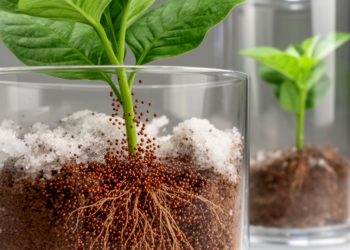
A controlled greenhouse experiment found that 100 mg per liter of iron oxide nanoparticles improved growth, water status, chlorophyll, potassium ...

Researchers have identified the wheat gene TaSTG4B, which enhances salt tolerance by pre-arming antioxidant and photosynthetic defense pathways before stress ...
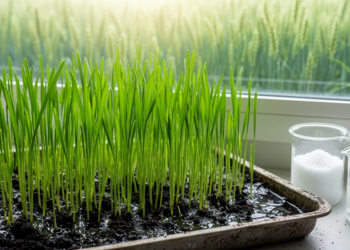
New research shows that the ratio of silicon to calcium, not their absolute doses, determines how effectively wheat resists sodium ...

A genome-wide study in 154 fruit fly lines shows that dietary salt stress unmasks cryptic genetic variation that reshapes heart ...
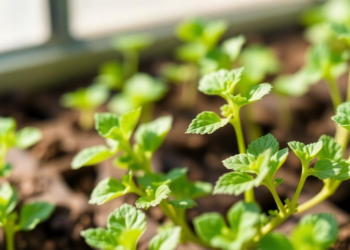
New research shows that exogenous vitamin D2 and D3 protect Arabidopsis seedlings from salt stress by reducing sodium accumulation, restoring ...


Embark on a thrilling journey of discovery with Scienmag.com—your ultimate source for cutting-edge breakthroughs. Immerse yourself in a world where curiosity knows no limits and tomorrow’s possibilities become today’s reality!