

Turning Water Hyacinth Into Fuel Briquettes to Save Ethiopian Lakes
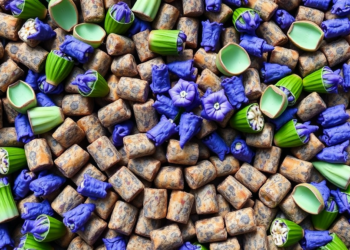
Ethiopian researchers have converted invasive water hyacinth from Lake Abaya and Lake Chamo into charcoal briquettes, finding that molasses-bound formulations ...
Ethiopian researchers have converted invasive water hyacinth from Lake Abaya and Lake Chamo into charcoal briquettes, finding that molasses-bound formulations ...

The first complete ant inventory of the Xisha Islands documents 21 species and identifies human disturbance as the primary driver ...
Researchers used Sentinel-2 satellite imagery and machine learning to detect and track persistent water hyacinth infestations in lakes across five ...
A rare resurvey of Patagonian kelp forests first studied in 1972 finds the giant kelp itself stable, but reveals crashing ...
Australian researchers have built a SNP genotyping panel that turns invasive deer faecal pellets into a reliable source of individual, ...
A new review maps how CRISPR gene editing and diagnostics are being applied to pathogenic microbes, antibiotic resistance, and invasive ...
A three-year field study on Lake Minnetonka shows that a low-dose copper treatment timed to zebra mussel spawning reduced veliger ...
A four-year field study in Lake Minnetonka found that a low-dose copper molluscicide suppressed zebra mussels while most nontarget organisms, ...
New research shows that the invasive cordgrass Spartina anglica outcompetes its native relative not by recruiting different microbes, but by ...
A global analysis of 1,029 cities shows that urbanization itself, through habitat modification, warming and eroded native biodiversity, drives the ...

Embark on a thrilling journey of discovery with Scienmag.com—your ultimate source for cutting-edge breakthroughs. Immerse yourself in a world where curiosity knows no limits and tomorrow’s possibilities become today’s reality!