


Parasitoid wasp plus cowpea intercropping curbs fall armyworm in Nigerian maize
Fall armyworm, the voracious caterpillar that has become one of the most destructive pests of maize worldwide, can be pushed ...
Fall armyworm, the voracious caterpillar that has become one of the most destructive pests of maize worldwide, can be pushed ...

A two-year field trial in Maharashtra found that sole chickpea fed with combined organic and natural farming inputs raised soil ...

A new review in The Science of Nature argues that the volatile organic compounds released by companion crops can be ...
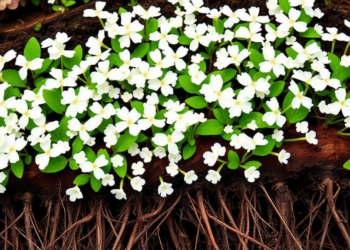
Metagenomic sequencing reveals that planting white clover between tea rows significantly reshapes rhizosphere microbial communities and boosts genes tied to ...

Transcriptomic profiling of intercropped maize and soybean roots reveals the cereal amplifies nitrogen metabolism while the legume suppresses specialized metabolism ...

A twelve-year field study in Jiangxi, China, reveals that the species of aromatic tree planted alongside tea bushes dramatically reshapes ...
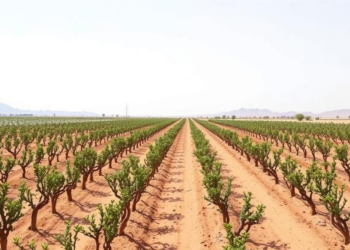
A two-year field experiment in Xinjiang shows that a moderate nitrogen rate of 280 kilograms per hectare minimizes the greenhouse ...

A new review synthesizes how plants communicate through volatile chemicals, root exudates, RNA signals, and fungal networks, and what this ...
A four-year Idaho field trial shows that deficit irrigation and barley–legume intercropping, especially with lentil, steepen soil phosphorus depletion gradients ...
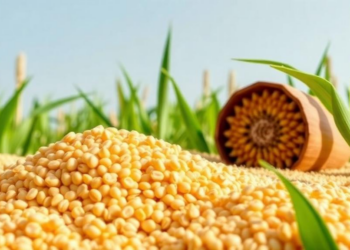
A new Nature Communications study estimates that maize-soybean intercropping on up to 20 million hectares could cover three-quarters of the ...


Embark on a thrilling journey of discovery with Scienmag.com—your ultimate source for cutting-edge breakthroughs. Immerse yourself in a world where curiosity knows no limits and tomorrow’s possibilities become today’s reality!