

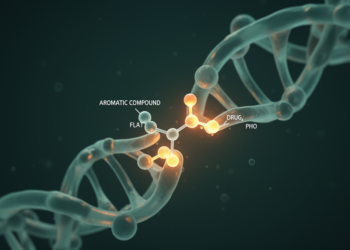
Human Enzymes Found to Deactivate Promising Tuberculosis Drug Macozinone
Researchers have identified the human enzymes PTGR1 and PTGR2 as the cause of an unprecedented metabolic inactivation of the antitubercular ...
Researchers have identified the human enzymes PTGR1 and PTGR2 as the cause of an unprecedented metabolic inactivation of the antitubercular ...
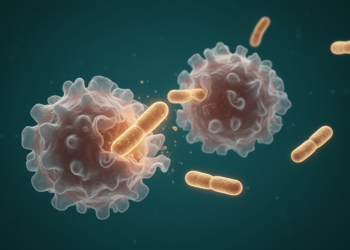
New laboratory research shows that macrophages from people with cystic fibrosis are intrinsically impaired in controlling the virulent rough morphotype ...

The ATR inhibitor AZD6738 reversed about 57% of the LPS-induced inflammatory gene program in mouse corneas and suppressed an NF-κB-centered ...
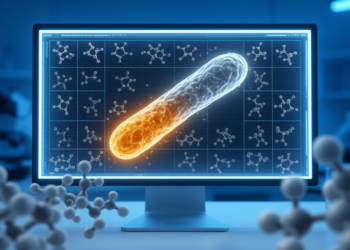
A new review argues that virtual screening and AI-driven modeling have expanded the search for anti-tuberculosis drugs, but persistent mismatches ...
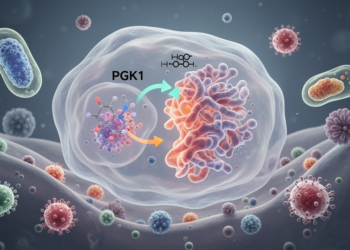
Experimental laboratory and mouse studies found that PGK1’s non-canonical kinase activity promotes degradation of a host chaperone needed by several ...
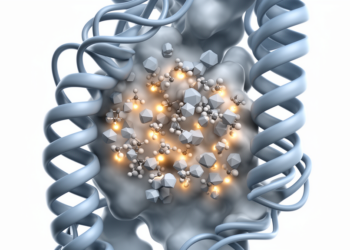
Korea University researchers used benchmarked AI models to design small-molecule fragments that experimentally inhibited the human enzyme DHPS, a host ...
A new Frontiers in Pharmacology perspective argues that dysregulated glucocorticoid receptor signaling is a shared upstream driver of chronic inflammation ...
New mouse research shows that resident alveolar macrophages are essential for clearing Mycobacterium abscessus from the alveoli but dispensable when ...
A comprehensive review maps how approved drugs—from anticancer agents to antidepressants—can be systematically repurposed to combat drug-resistant superbugs.
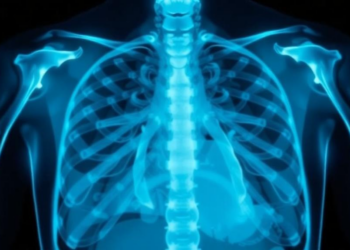
A sweeping 2025 review documents major advances in tuberculosis diagnostics, shorter all-oral drug regimens, novel compounds, vaccines, and disease reclassification, ...


Embark on a thrilling journey of discovery with Scienmag.com—your ultimate source for cutting-edge breakthroughs. Immerse yourself in a world where curiosity knows no limits and tomorrow’s possibilities become today’s reality!