

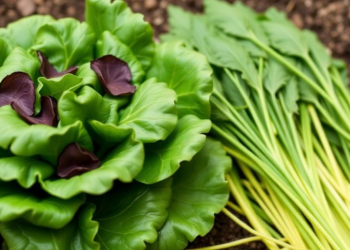
Wastewater-Irrigated Spinach and Mustard Show Heavy Metal Levels That May Exceed Safety Limits
A controlled Indian study found that spinach, mustard, and fenugreek irrigated with treated wastewater and drain water can accumulate chromium, ...
A controlled Indian study found that spinach, mustard, and fenugreek irrigated with treated wastewater and drain water can accumulate chromium, ...

The first assessment of soil at Lesotho's Maputsoe dumpsite reveals lead and cadmium contamination severe enough to demand urgent remediation, ...
A first comprehensive survey of Bangladesh's Andharmanik River fish sanctuary finds heavy metals exceeding safety limits in sediments and mud ...
A detailed analysis of farmed palm weevil larvae from Ghana finds impressive protein and mineral gains from frying and roasting, ...
Leachate from a major Nigerian waste dumpsite damaged chromosomes and tissues in onion, catfish and mouse models, and its lead ...
A year-long comparison of sediments in a Turkish reservoir and two streams shows that water movement, not just pollution load, ...
Researchers in Iran have developed a unified River Water Quality Index that combines sixteen physicochemical and microbial parameters with heavy ...
A full life-cycle study shows copper oxide nanoparticles can boost rice growth while cutting arsenic and cadmium accumulation in grains ...
A new study of 46 groundwater samples from Lakshmipur District, Bangladesh, reveals widespread seasonal contamination by salinity, arsenic, iron, and ...
A new study of three irrigated sites in Peshawar, Pakistan finds that cadmium in canal irrigation water exceeds WHO limits ...

Embark on a thrilling journey of discovery with Scienmag.com—your ultimate source for cutting-edge breakthroughs. Immerse yourself in a world where curiosity knows no limits and tomorrow’s possibilities become today’s reality!