

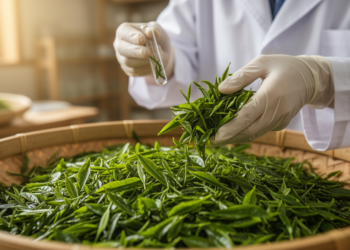
Microbes, Not Just the Plant, Decide How Your Tea Tastes and Works
A new review argues that microbes in soil, leaves, factories, and the human gut, rather than the tea plant alone, ...
A new review argues that microbes in soil, leaves, factories, and the human gut, rather than the tea plant alone, ...
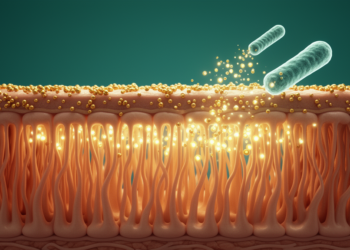
A purified polysaccharide from Ganoderma applanatum heals the intestinal barrier by feeding Phocaeicola vulgatus, which produces the fatty acid tridecylic ...
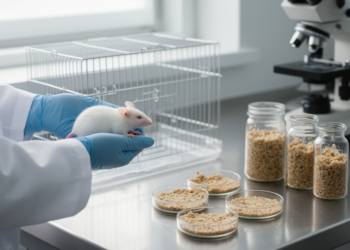
A new mouse study finds that the food matrix, rather than fermentation itself, largely determines gut microbiota responses, though kimchi ...
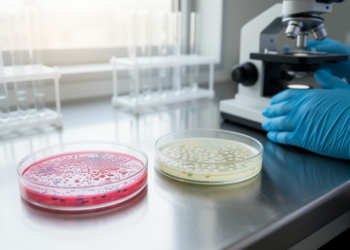
A metagenomic study of Han and Uyghur men reveals that alcohol use disorder depletes the same beneficial short-chain fatty acid-producing ...
A new Perspective in npj Science of Food lays out a four-pillar design framework for wrapping anti-inflammatory flavonoids in nanoparticles ...
New research in Aging Cell shows that age-related gut microbiota dysbiosis reduces acetate production and weakens antiviral defense in the ...
A new network-modeling study shows that ulcerative colitis rewires the gut microbiome's interaction architecture, shifting hub control from beneficial bacteria ...
A new review maps how the mycotoxin deoxynivalenol hijacks ribosomal and cellular signaling networks to drive intestinal, immune, neurological and ...
A new review proposes that Crohn's disease is sustained by self-reinforcing feedback loops linking epithelial barrier failure, immune hyperactivation and ...
A new review argues that gut microbiota dysbiosis drives immune dysregulation in multiple sclerosis and calls for regionally equitable, microbiome-informed ...


Embark on a thrilling journey of discovery with Scienmag.com—your ultimate source for cutting-edge breakthroughs. Immerse yourself in a world where curiosity knows no limits and tomorrow’s possibilities become today’s reality!