


Review Outlines How Genetics, Temperature, and Nitrogen Control Resistant Starch in Rice
A scientific review details how genetic factors, grain-filling temperature, and nitrogen management regulate resistant starch accumulation in rice.
A scientific review details how genetic factors, grain-filling temperature, and nitrogen management regulate resistant starch accumulation in rice.

Centennial simulations demonstrate that silvoarable agroforestry prevents catastrophic crop yield losses by buffering microclimates during critical early-season flowering and grain ...

A multi-genotype transcriptomic and network study identifies wheat gene TaBI-1 as a critical regulator that mitigates heat-induced damage across flag ...

A comprehensive review reveals that photosynthetic activity in stems, fruits, and seeds supplies vital supplementary carbon and sustains crop productivity ...

A study in Nature Food highlights that increasing sensitivity to compound hot, dry, and windy events is reducing wheat yields ...

A comprehensive review reveals that protecting cereal crop yields against concurrent heat and drought stress requires coordinated reproductive and canopy ...

Integrated transcriptomic and metabolomic analyses reveal that cultivar-dependent differences in phenylpropanoid metabolism and hull lignification are associated with rice grain ...
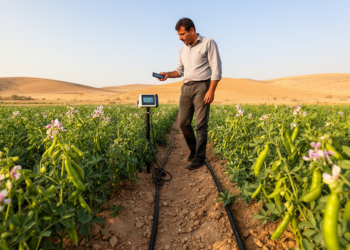
A two-year field experiment in southeastern Türkiye found that supplemental irrigation increased chickpea grain yield, particularly when flowering and grain ...
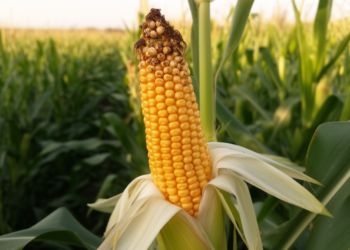
A two-year Heilongjiang field trial associated higher maize planting density with lower early sugar supply, starch-biosynthetic enzyme activity, and starch ...
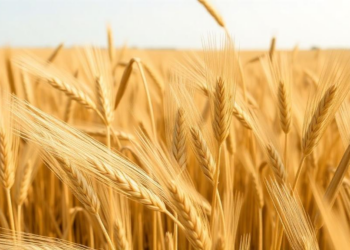
A two-year Indian field trial found that dual-stage foliar sprays of mepiquat chloride combined with moderately enriched nitrogen raised late-sown ...


Embark on a thrilling journey of discovery with Scienmag.com—your ultimate source for cutting-edge breakthroughs. Immerse yourself in a world where curiosity knows no limits and tomorrow’s possibilities become today’s reality!